A window treatment plan is more than picking one nice curtain and hoping it works everywhere. Most rooms actually need three different pieces of hardware and fabric working together: something soft and light-filtering, something that holds it up without damaging your walls, and something to handle the odd doorway or closet opening that a standard curtain rod can’t cover. If you’ve ever bought a single curtain panel only to realize it doesn’t fit your window, your rental lease, or your closet door, this guide walks you through building a complete, room-by-room plan instead.
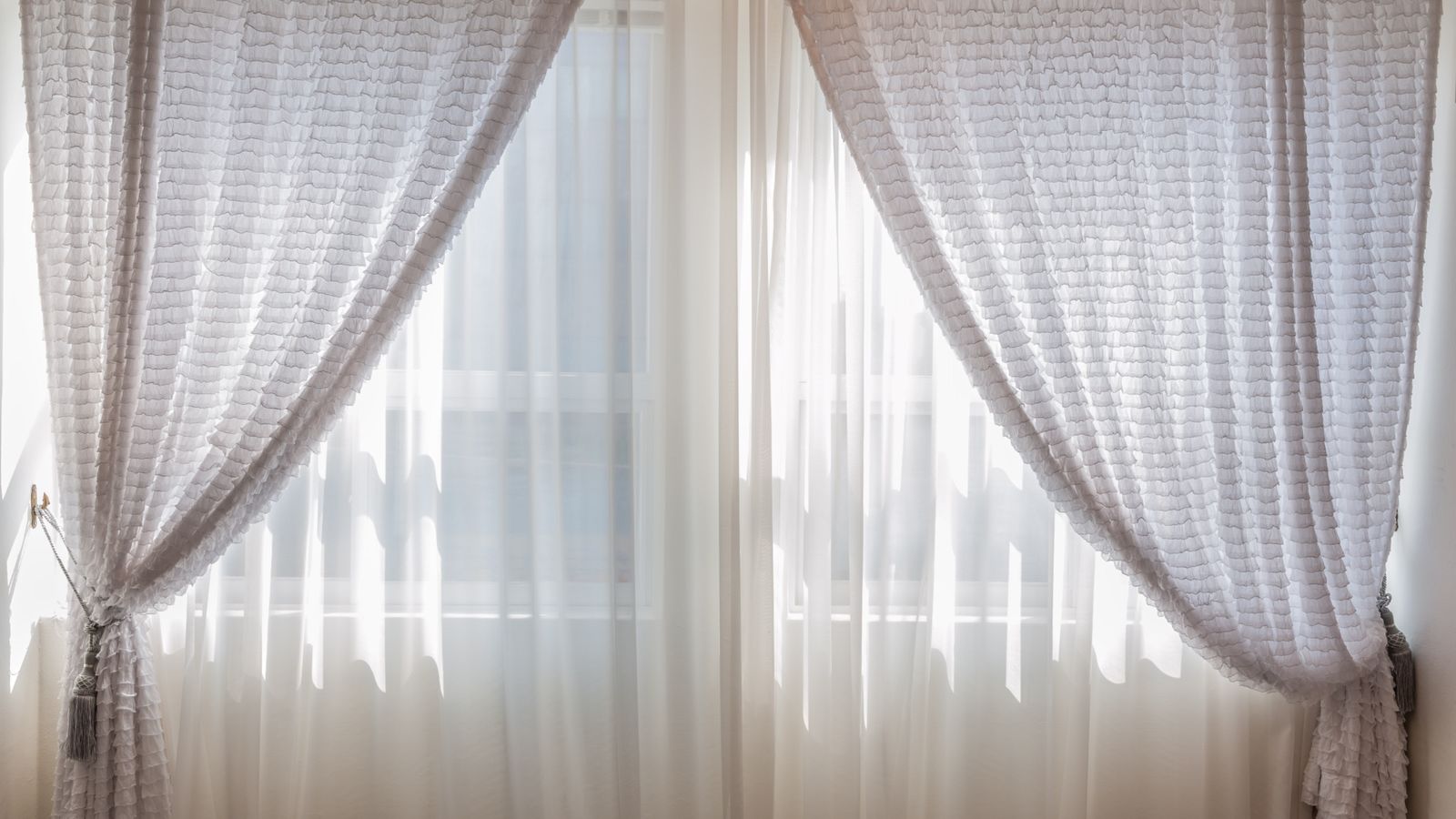
Below, we’ll break the plan into three parts, matching the three main components in the title: sheer curtains for light and privacy, tension curtain rods for damage-free mounting, and door curtains for openings a standard rod can’t handle. By the end, you’ll have a clear shopping list and a step-by-step installation order that saves you a second trip to the store.
Step 1: Map Your Windows and Openings Before You Buy Anything
Before shopping, walk through your space and make a simple list. For every window, note the width, height, and how much privacy or light control you actually want. For every doorway, closet, or open shelving unit you’re considering covering with a curtain instead of a door, note the width and whether you need a fixed rod or something that can be removed without drilling.
This matters because sheer curtains, tension rods, and door curtains solve different problems:
- Sheer curtains filter light and add privacy during the day without blocking the room completely – best for living rooms, bedrooms layered under blackout panels, and kitchens.
- Tension curtain rods mount inside a window frame or doorway using spring pressure, no screws or brackets required – ideal for rentals, closets, and small windows.
- Door curtains replace or supplement a swinging door, covering laundry nooks, pantries, closets, or even a bedroom doorway where you want airflow and softness instead of a solid door.
Once you know which rooms need which treatment, you can shop with a real list instead of guessing in the aisle.
Step 2: Choose the Right Sheer Curtains for Each Room
Sheers are the workhorse of a window treatment plan because they soften harsh daylight, add a layer of privacy, and make a room feel finished even with minimal effort. When selecting sheers, focus on three things: fabric weight, width-to-window ratio, and length.
Fabric Weight and Fullness
A lightweight voile or chiffon sheer lets in more light and drapes softly, while a slightly heavier linen-look sheer diffuses light more and holds pleats better. For a full, gathered look, buy panels that total roughly 2 to 2.5 times the width of your rod – a single narrow panel stretched across a wide window will look thin and flat.
Length and Hanging Style
Measure from the top of your rod (not the window frame) down to where you want the hem – just above the floor, or puddling slightly for a softer look. Most sheers come with rod-pocket, grommet, or tab-top headers; grommets tend to glide most smoothly and drape in even folds.
If you want a curated starting point rather than scrolling endless listings, this roundup of sheer curtain panels breaks down options by fabric, length, and price so you can shortlist a few before measuring your own windows.
Step 3: Pick a Tension Curtain Rod for Damage-Free Mounting
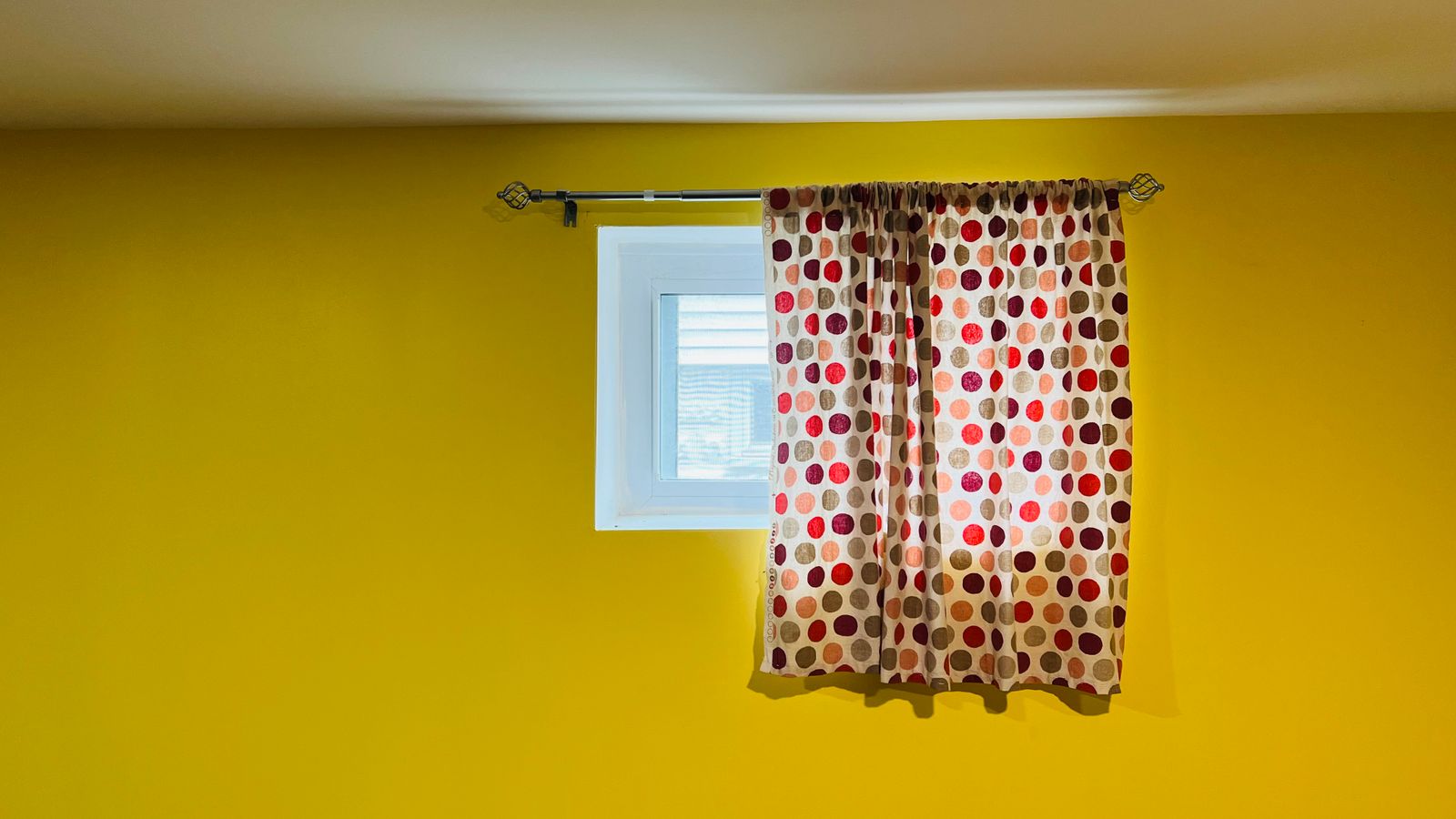
Tension rods use an internal spring to wedge themselves between two surfaces – typically the inside of a window frame, a closet opening, or a narrow doorway – without any drilling. They’re the fastest way to hang a curtain in a rental, a dorm room, or any spot where you don’t want permanent hardware.
Choosing the Right Size and Load Capacity
Tension rods list a minimum and maximum extension range – always choose one where your window or opening width falls comfortably in the middle of that range, not at the very edge, so the spring holds firm. Load capacity matters too: a thin voile sheer needs far less holding strength than a heavier blackout panel or a door curtain, so check the listed weight rating before you buy.
Where Tension Rods Work Best
- Inside a window frame, for a clean, recessed look with a sheer or café curtain.
- Closet openings, replacing bifold doors with a soft curtain.
- Narrow hallway nooks or under-sink cabinets, for a quick fabric skirt.
For a comparison of spring strength, finish options, and extension ranges, this list of tension curtain rods is a useful starting point when you’re ready to buy.
Step 4: Add Door Curtains Where a Solid Door Isn’t Practical
Door curtains solve a specific problem: openings where you want separation and privacy but a hinged door is impractical, too heavy, or simply not installed. Common spots include laundry closets, pantry entries, walk-in closets, and even a home office nook that needs a visual divider without sealing off airflow.
Matching the Curtain to the Opening
Door curtains are typically heavier than sheer panels – they need to hang straight and fully cover the opening for privacy, so look for a curtain rated wider and denser than a standard window sheer. Measure the full width and height of the doorway, then add a few inches of overlap on each side so there’s no gap when the curtain hangs closed.
Mounting Options
Depending on the opening, you can mount a door curtain with a permanent rod and bracket set for a heavier fabric, or use a sturdy tension rod rated for the extra weight if you want a no-drill option. Either way, choose a rod that sits a couple of inches above the door frame so the curtain has room to move freely without catching.
If you’re outfitting a laundry nook, pantry, or closet doorway, this guide to door curtains covers fabric weights and privacy levels so you can match the curtain to how much coverage the space actually needs.
Step 5: Install in the Right Order
Once you’ve chosen your pieces, install in this order to avoid rehanging anything twice:
- Mount hardware first. Install tension rods and any fixed brackets before hanging fabric, so you can adjust height and level without fighting a curtain in the way.
- Hang the heaviest curtain first. If a room has both a window sheer and a door curtain, mount the door curtain first since it usually needs the most careful leveling.
- Add sheers last. Sheers are lighter and easier to adjust for even folds, so save them for the final step when you can fine-tune fullness and drape.
- Steam or fluff the fabric. Most curtains ship folded and need a light steam or a day or two of hanging to relax into even, natural folds.

Common Mistakes to Avoid
- Buying a rod that’s too short. A rod that matches your window’s exact width won’t let curtains fully open – extend at least 4 to 6 inches beyond the frame on each side so light isn’t blocked when curtains are pushed aside.
- Overloading a tension rod. Hanging a heavy door curtain on a lightweight window-rated tension rod is a common cause of sagging or the rod slipping down over time – always check the weight rating first.
- Skipping the width ratio for sheers. A single flat panel stretched across a wide window looks stingy; buying enough fabric for 2 to 2.5 times fullness makes a noticeable difference.
- Ignoring drop length. Curtains that stop a few inches above the floor look unfinished; measure twice before ordering, especially for made-to-order lengths.
Safety Notes
Tension rods rely entirely on spring pressure and friction against the mounting surface, so check them periodically, especially in humid rooms like bathrooms where surfaces can become slippery. Avoid using a tension rod above a doorway that gets frequent foot traffic if it’s holding significant weight – a fixed bracket is safer for high-use openings. Always keep curtain cords or tiebacks out of reach of small children and pets to avoid entanglement.
Frequently Asked Questions
Can I use a tension rod for a heavy door curtain?
Yes, as long as the rod’s listed weight capacity comfortably exceeds your curtain’s weight. For anything heavier than a mid-weight cotton panel, a fixed bracket rod is generally more reliable long term.
Do sheer curtains need to be lined?
Not necessarily. Sheers are meant to filter light, not block it. If you want privacy at night, pair sheers with a heavier blackout panel on a second rod rather than lining the sheer itself.
How do I stop a tension rod from sagging in the middle?
Choose a rod rated for wider spans if your opening is over 40 inches, and make sure the fabric weight matches the rod’s rating. Adding a support bracket at the center of very wide spans also helps.
Can door curtains replace a closet door entirely?
Yes, many households use a door curtain instead of bifold or sliding closet doors, especially in smaller rooms where a swinging door takes up floor space. Choose a densely woven fabric for better privacy and dust protection.
How often should I wash curtains?
Sheers in high-light rooms benefit from washing every few months since sunlight and dust build up faster; door curtains and heavier panels can typically go longer between washes, following the fabric care label.
Final Thoughts
A window treatment plan doesn’t need to be complicated, but it does need the right hardware matched to the right job. Sheers handle daily light and privacy, tension rods give you a damage-free way to hang them, and door curtains fill in the gaps a standard window rod can’t reach. Map your rooms first, buy hardware rated for the fabric weight you’re hanging, and install heavy pieces before light ones. With that order in place, you’ll end up with a plan that actually works room to room instead of a mismatched pile of curtains that don’t quite fit.