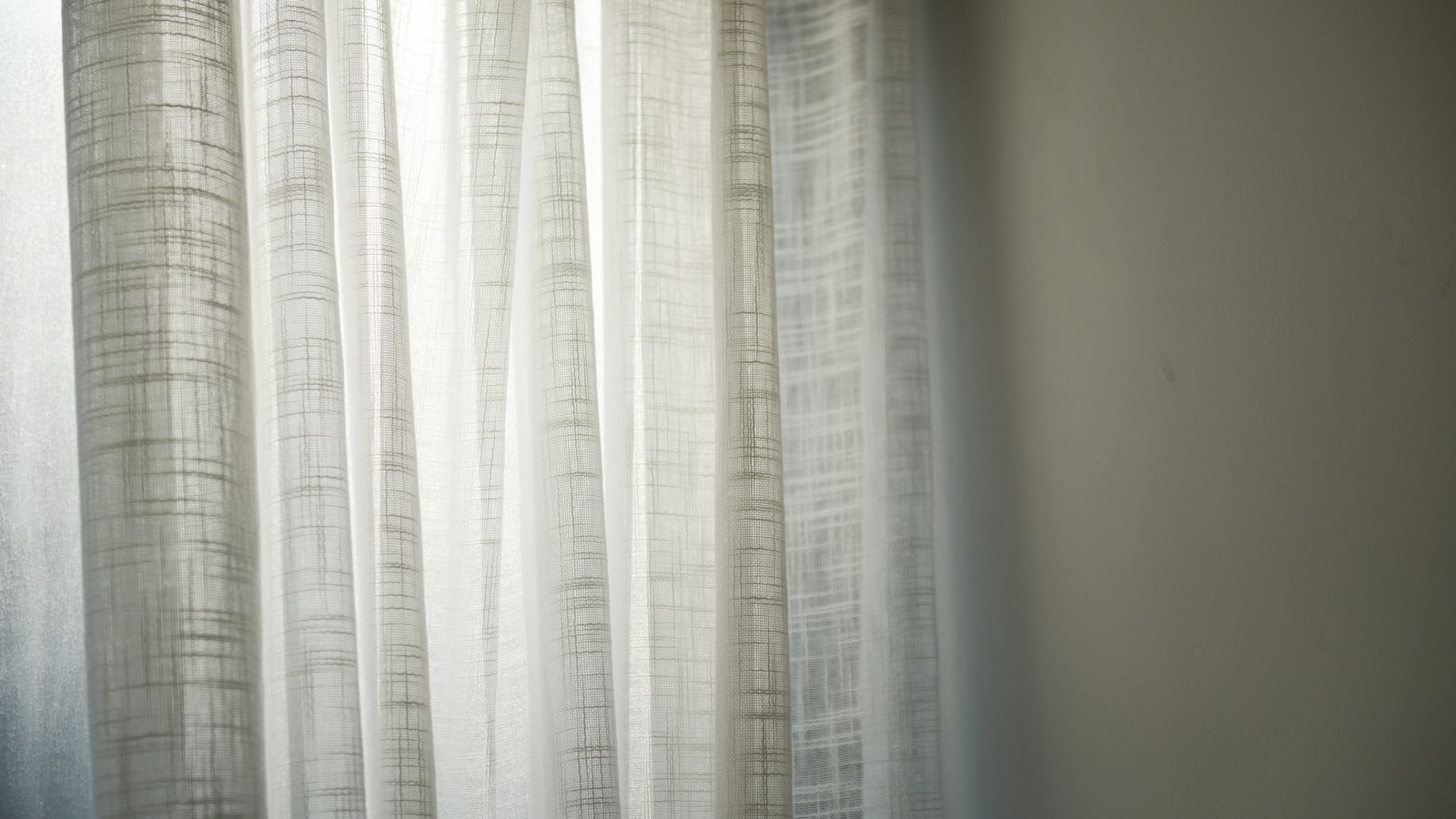

Window treatments do more than block light – they set the tone for an entire room. If your windows still have the same tired blinds or curtains that came with the house, an upgrade doesn’t have to mean a full renovation. By combining bamboo shades, kitchen-friendly curtains, and sheer curtains, you can build a layered window treatment plan that controls light, adds texture, and pulls a room together. This guide walks you through the planning process step by step, from measuring your windows to layering different treatments for the best of both privacy and style.
Why Upgrade Your Window Treatment Plan
Most homes are outfitted with a single layer of window covering – usually just blinds or a set of heavy curtains. That single-layer approach is functional, but it limits your control over light, privacy, and style. A layered plan pairs a structural covering (like a bamboo shade) with a decorative layer (like a sheer or patterned curtain), giving you more flexibility throughout the day. In the morning you might want diffused natural light through a sheer panel; by evening you might want the bamboo shade lowered for privacy and insulation.
Upgrading also lets you address problem areas room by room. Kitchens need washable, moisture-resistant curtains that stay clear of stovetops and sinks. Living rooms benefit from sheer curtains that soften harsh sunlight without going fully dark. Bedrooms often want a heavier shade for blackout control. Treating each room’s needs separately, rather than using the same treatment everywhere, is the core idea behind a smart upgrade plan.
Step 1: Assess Each Room’s Needs
Before buying anything, walk through your home and note what each window actually needs. Ask yourself:
- Does this window get direct afternoon sun that needs filtering?
- Is privacy a priority, or is the window facing a private yard?
- Is the room prone to moisture or grease splatter (kitchen, bathroom)?
- Do you want a natural, textured look or a soft, airy look?
For kitchens, the priority is almost always practicality: a curtain that resists staining, is easy to wash, and stays out of the way of cooking activity. For living rooms and bedrooms, bamboo shades bring warmth and natural texture, while sheer curtains soften the light and add a finished, layered look.
Step 2: Measure Your Windows Correctly
Accurate measurements are the difference between a polished upgrade and a treatment that looks off. Follow these steps for each window:
- Measure the width of the window frame at three points (top, middle, bottom) and use the widest measurement.
- Measure the height from the top of the frame (or where you plan to mount the rod) down to where you want the treatment to end – sill length, apron length, or floor length.
- Decide whether the shade or curtain will mount inside the window frame (inside mount) or outside it, overlapping the frame (outside mount). Outside mounts generally make windows look larger and block more light around the edges.
- Add a few extra inches of width on each side for curtain rods so panels can be pulled fully open without covering the glass.
Write these measurements down for every window you plan to upgrade, and keep the list handy while shopping – mismatched sizing is one of the most common (and easily avoided) mistakes in a window treatment refresh.
Step 3: Start With a Structural Layer – Bamboo Shades
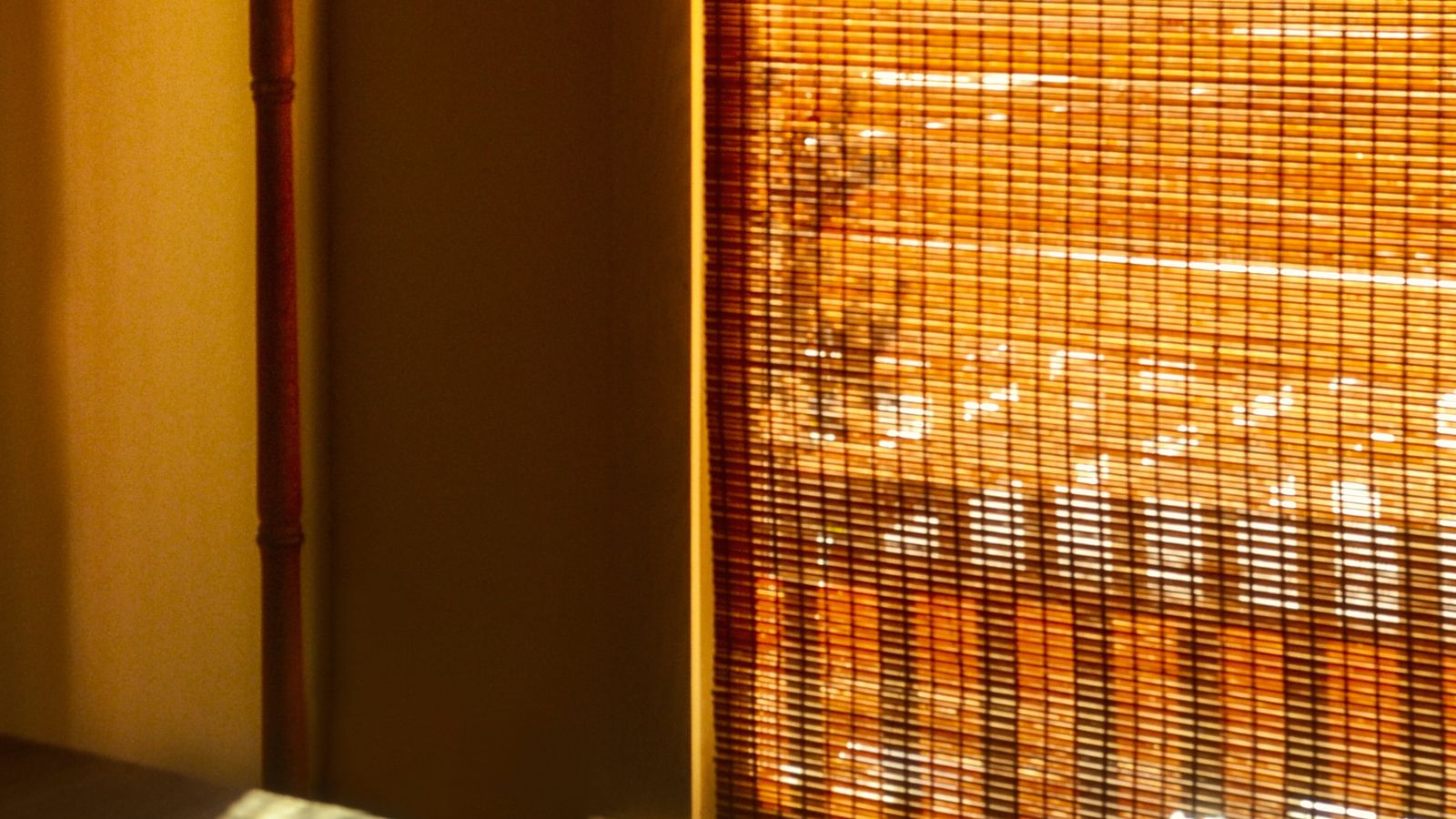
Bamboo shades are a natural first layer for almost any room. They’re made from woven natural fibers, which gives them texture and warmth that fabric alone can’t replicate. They work especially well in living rooms, dens, and sunrooms where you want a relaxed, organic look.
When shopping for bamboo shades, consider:
- Light filtering versus blackout weave: A looser weave lets in soft, dappled light; a tighter weave blocks more light for privacy.
- Cordless or corded lift systems: Cordless options are safer around kids and pets and give a cleaner look at the window.
- Liner options: Some bamboo shades come with a fabric liner attached, which adds privacy and light control without losing the natural texture on the outside.
If you’re ready to compare options, browsing a curated list of bamboo shades is a good way to see the range of weaves, colors, and lift mechanisms available before you commit to a size and style.
Step 4: Handle the Kitchen Separately
Kitchen windows have different practical demands than the rest of the house. Cooking generates grease, steam, and splatter, so kitchen curtains need to be short enough to stay clear of the stove and sink, and washable enough to handle regular cleaning. A café curtain that covers only the lower half of the window, or a short valance paired with a roller shade, is often a smarter choice than long, flowing panels near an active cooking area.
Look for lightweight cotton or cotton-blend fabrics that launder easily, and avoid anything with heavy trim, tassels, or embellishments that can catch on cabinet handles or trail near burners. Bright patterns and gingham checks are popular in kitchens because they hide minor splatter better than solid pale fabrics. When you’re ready to shop, a dedicated collection of window curtains for kitchens can help you narrow down fabrics and lengths designed specifically for this kind of high-traffic space.
Step 5: Add Sheer Curtains for Softness
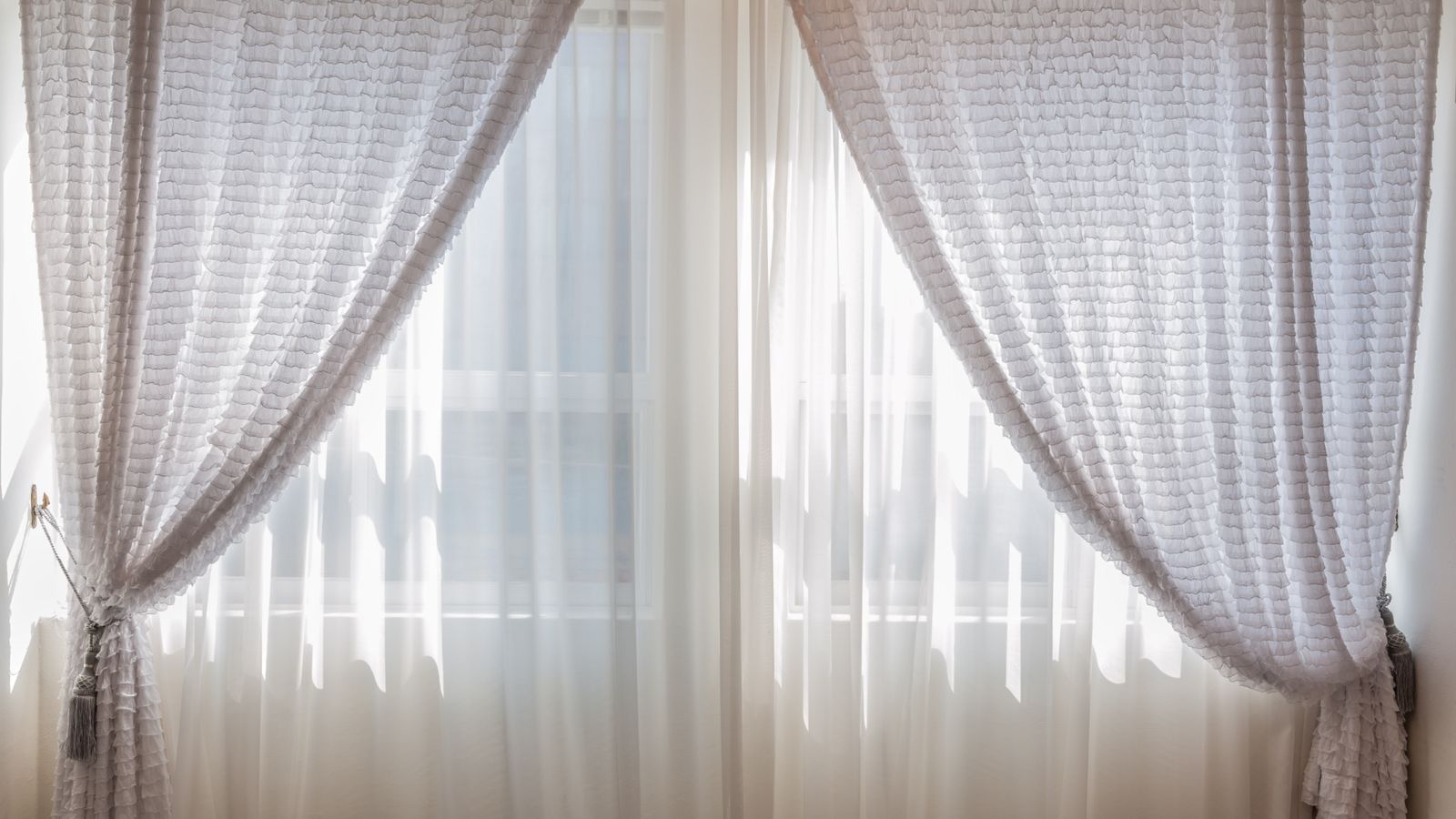
Once your structural layer (bamboo shade or blind) is in place, sheer curtains add the finishing decorative touch. Hung either alone over a bright window or layered in front of a heavier drape, sheers diffuse harsh sunlight into a soft, even glow while still letting the outside view come through during the day.
Sheers work particularly well in:
- Living rooms and dining rooms where you want light without total exposure.
- Bedrooms layered behind blackout curtains, so you can choose between soft light and full darkness.
- Any room where you want to visually “finish” a window that otherwise looks bare after installing just a shade.
Sheer fabrics like voile, chiffon, and lightweight linen blends drape beautifully and are usually machine washable. If you want to compare fabric weights, header styles (rod pocket, grommet, or tab top), and lengths, take a look at this list of best sheer curtains before making a final decision.
Step 6: Layer the Treatments Together
The real upgrade happens when you combine treatments rather than relying on just one. A common and effective layering approach:
- Mount the bamboo shade closest to the glass, inside or just outside the window frame.
- Install a curtain rod above and slightly wider than the window frame.
- Hang sheer curtains on the rod so they frame the window and can be drawn closed for extra softness, or left open to show off the bamboo shade’s texture.
- For kitchens, skip the sheer layer near the stove and instead pair a short curtain with a simple roller shade for a clean, functional look.
This layering gives you three levels of control: fully open for maximum light and view, sheers only for filtered light and privacy, or shade lowered for full privacy and insulation.
Common Mistakes to Avoid
- Hanging curtain rods too close to the window frame. Mounting rods a few inches wider and higher than the frame makes the window (and the room) look larger.
- Choosing the wrong fabric for the room. Heavy velvet in a steamy kitchen or thin sheers alone in a bedroom that needs blackout coverage both create problems down the line.
- Skipping measurements for each window. Windows in the same house often vary slightly in size – always measure individually rather than assuming they match.
- Overlooking maintenance. Natural fiber shades and delicate sheers have different cleaning needs; check care labels before buying if low-maintenance is a priority.
- Ignoring lift safety. If there are small children or pets in the home, cordless or motorized lift systems are safer than exposed pull cords.
Safety Notes
When installing any window treatment, use a stud finder or appropriate anchors for the wall type before drilling mounting brackets, and always use a stable step stool rather than standing on furniture. If you have young children or pets, choose cordless bamboo shades or make sure any cords are secured with cord cleats well out of reach, since dangling cords are a recognized safety hazard in homes with small kids.
Budget-Friendly Tips
A full window treatment upgrade can be done gradually rather than all at once. Start with the rooms that get the most use or the most direct sunlight, such as the kitchen or living room, and expand from there. Buying ready-made sheer curtains rather than custom drapery, and choosing standard-width bamboo shades that fit common window sizes, both help keep costs down. Watching for seasonal sales on curtains and shades is also an easy way to stretch a redecorating budget further.
Frequently Asked Questions
Can I use bamboo shades and curtains on the same window?
Yes. Mounting a bamboo shade close to the glass and a curtain rod above it is one of the most popular layering combinations, giving you both texture and softness at the same window.
Are sheer curtains enough for privacy on their own?
Sheers provide light diffusion but limited privacy, especially at night when interior lights are on. Pairing them with a shade or heavier drape is recommended for rooms where privacy matters, such as bedrooms and street-facing living rooms.
What length should kitchen curtains be?
Shorter lengths, such as café-style curtains that cover the lower half of the window or tier curtains that stop above the counter, are best for kitchens since they stay clear of stovetops, sinks, and foot traffic.
How often should window treatments be cleaned?
Kitchen curtains benefit from washing every one to two months due to grease and cooking residue, while bamboo shades and sheers in lower-traffic rooms can typically be dusted or spot-cleaned every few months, with a deeper clean once or twice a year.
Do I need professional installation?
Most bamboo shades and curtain rods are designed for straightforward DIY installation with basic tools. Professional installation is worth considering only for motorized systems or unusually large or heavy window treatments.
Final Thoughts
Upgrading your window treatment plan doesn’t require replacing everything at once. Start by assessing what each room genuinely needs, measure carefully, and build outward from a structural layer like a bamboo shade toward softer finishing touches like sheer curtains, with practical, washable curtains reserved for busy spaces like the kitchen. Layering these elements thoughtfully gives you control over light and privacy throughout the day while giving every room a more finished, intentional look.