
Refreshing a room with a new wreath, a photo collage frame, and a bundle of faux flowers is one of the fastest, lowest-risk ways to update your home decor scheme – but it’s also easy to overspend on pieces that don’t work together. This guide walks you through a practical, budget-first shopping process so you end up with a cohesive look instead of three unrelated impulse buys.
Before You Shop: Set the Scheme, Not Just the Shopping List
The biggest budget mistake in home decor is shopping item-by-item without a plan. A wreath, a photo collage frame, and faux flowers are three very different objects, but they need to share a color story and a general style (farmhouse, modern, coastal, traditional) or the finished wall will look disjointed no matter how nice each piece is individually.
Spend ten minutes before you open a single browser tab:
- Pick two or three colors that already exist in the room (wall paint, sofa, rug) and commit to sticking within that palette for all three items.
- Choose one style word – “modern minimal,” “cottage,” “boho” – and use it to filter out anything that doesn’t fit, even if it’s a great price.
- Decide where each piece will live (entry door, gallery wall, console table) so you know the size constraints before you buy.
Set a Total Budget, Then Split It
Treat the wreath, the frame, and the faux flowers as one project with one total budget, not three separate purchases. A simple split that works for most budgets is roughly 40% frame, 35% wreath, 25% faux flowers, since the collage frame is usually the largest and most durable investment while faux flowers are the easiest to find cheap. Adjust the ratio based on which piece matters most to you – if the wreath is your statement piece for the front door, give it a larger share.
Step 1: Shop the Photo Collage Frame First
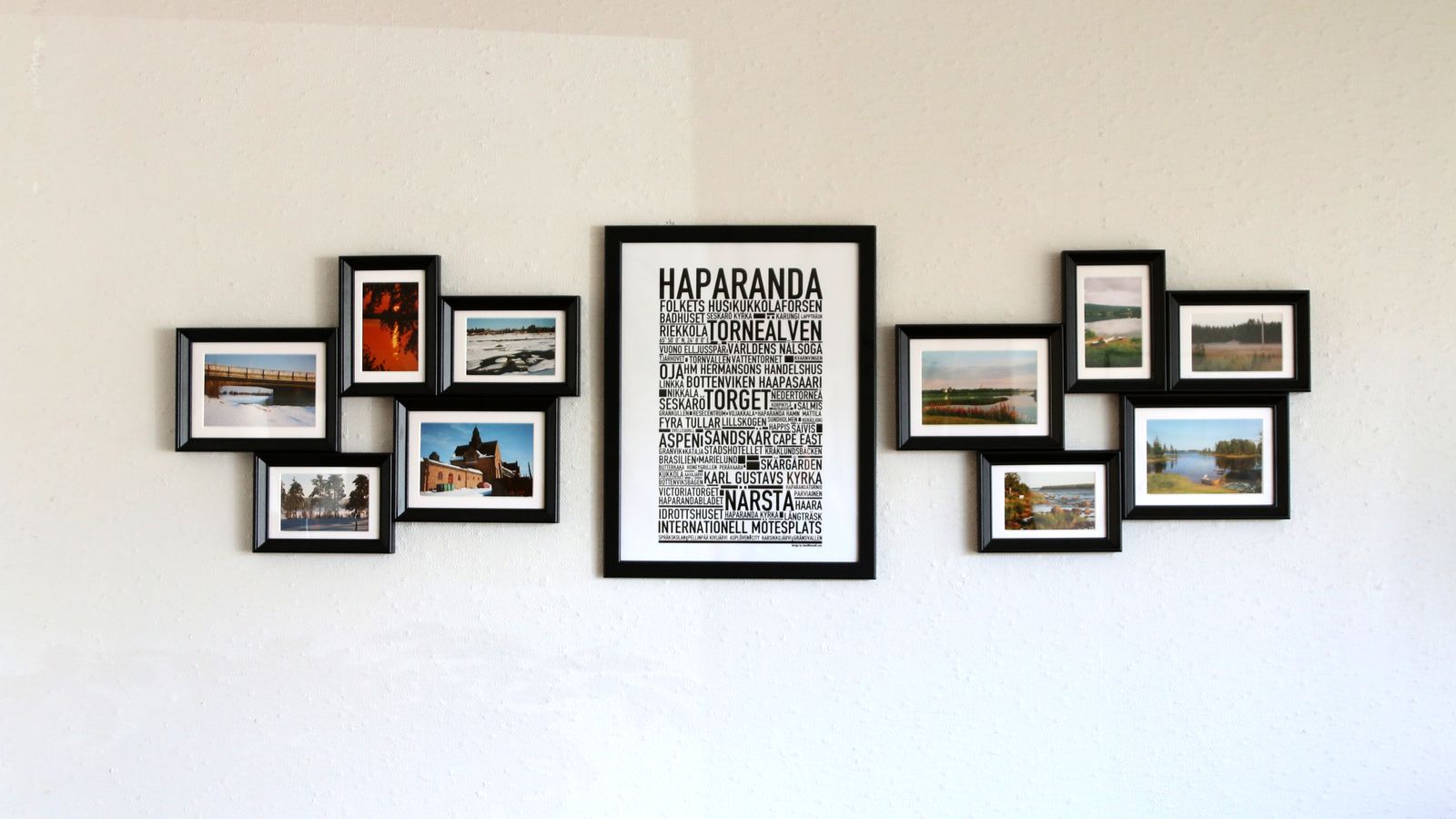
Start with the photo collage frame because it usually anchors the wall and dictates scale for everything nearby. Collage frames come in a wide range of formats – a single mat with multiple openings, a set of individual frames hung in a grid, or a floating shelf-style ledge that holds several small frames.
- Measure the wall space first. A collage frame that’s too small will look lost; one that’s too large will crowd a small wall.
- Decide on opening count and orientation (portrait vs. landscape mixes) based on the photos you actually have, not the other way around.
- Check the frame material. Budget frames are usually MDF or thin wood veneer with acrylic instead of glass – perfectly fine for most homes and lighter to hang.
- Look for a mounting hardware kit included in the box; buying hooks and anchors separately adds up quickly.
If you want to compare styles and price points side by side before committing, browsing a curated list of photo collage frames is a fast way to see what’s currently well-reviewed at different budgets.
Step 2: Choose the Wreath to Match the Frame’s Tone
Once the frame’s material and color are locked in, choose a wreath that echoes at least one of those tones – a natural wood-tone frame pairs well with dried or neutral-toned wreaths, while a black or white frame pairs with almost any wreath color since it acts as a neutral base.
Wreaths generally fall into a few budget-friendly categories:
- Faux greenery wreaths – evergreen, eucalyptus, or boxwood styles that work year-round and hold up outdoors.
- Seasonal wreaths – florals or dried-look designs meant to be swapped out a few times a year.
- Grapevine or rattan base wreaths – an affordable neutral base you can dress up yourself with cheaper add-on stems.
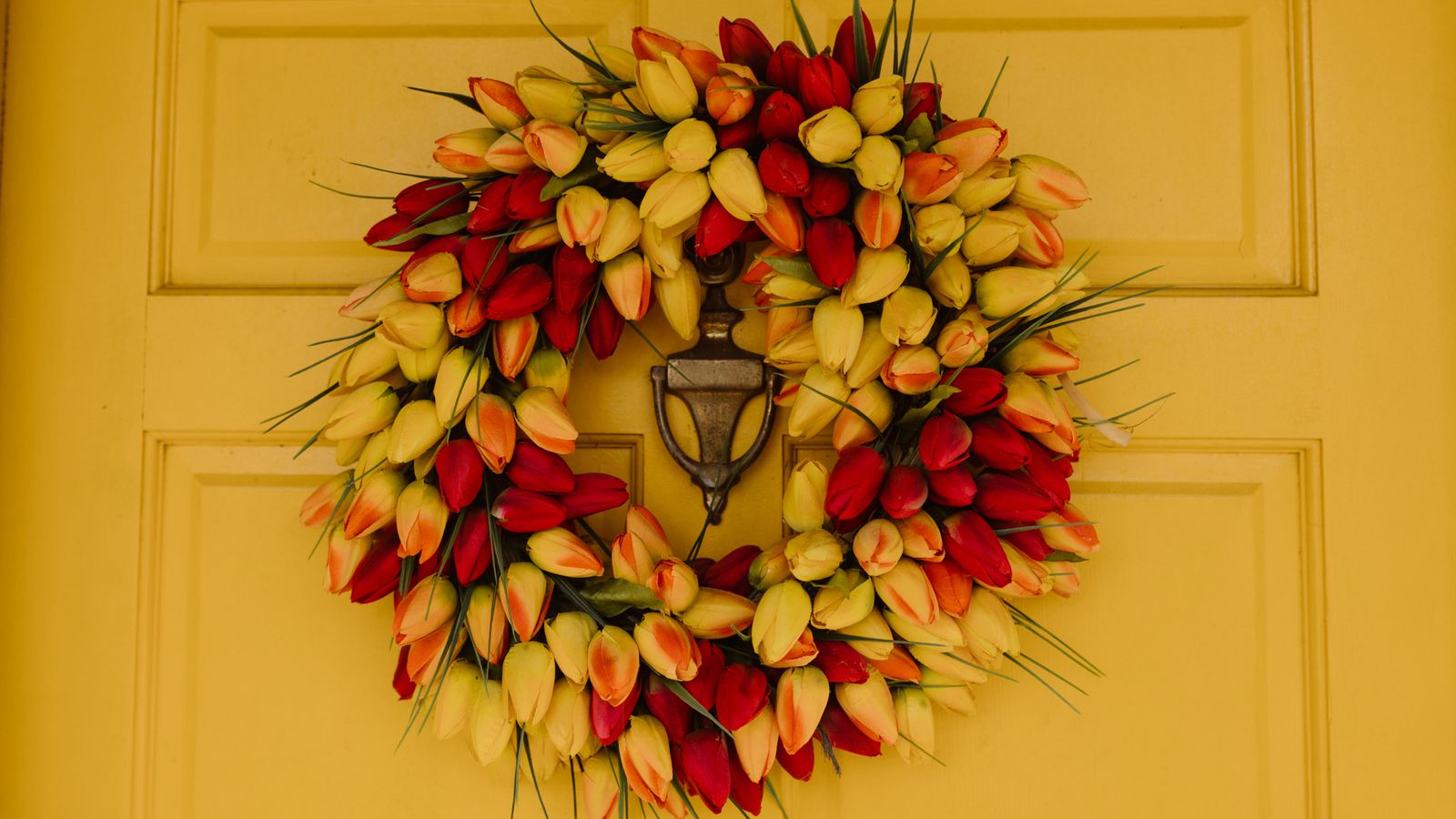
Budget tip: a plain grapevine or foam base wreath is almost always the cheapest option, and you can add faux stems (bought separately, see Step 3) to customize it instead of paying a premium for a fully decorated one. For inspiration on what’s trending and well-priced, this list of wreaths is a useful starting point before you commit to a style.
Where to Hang It
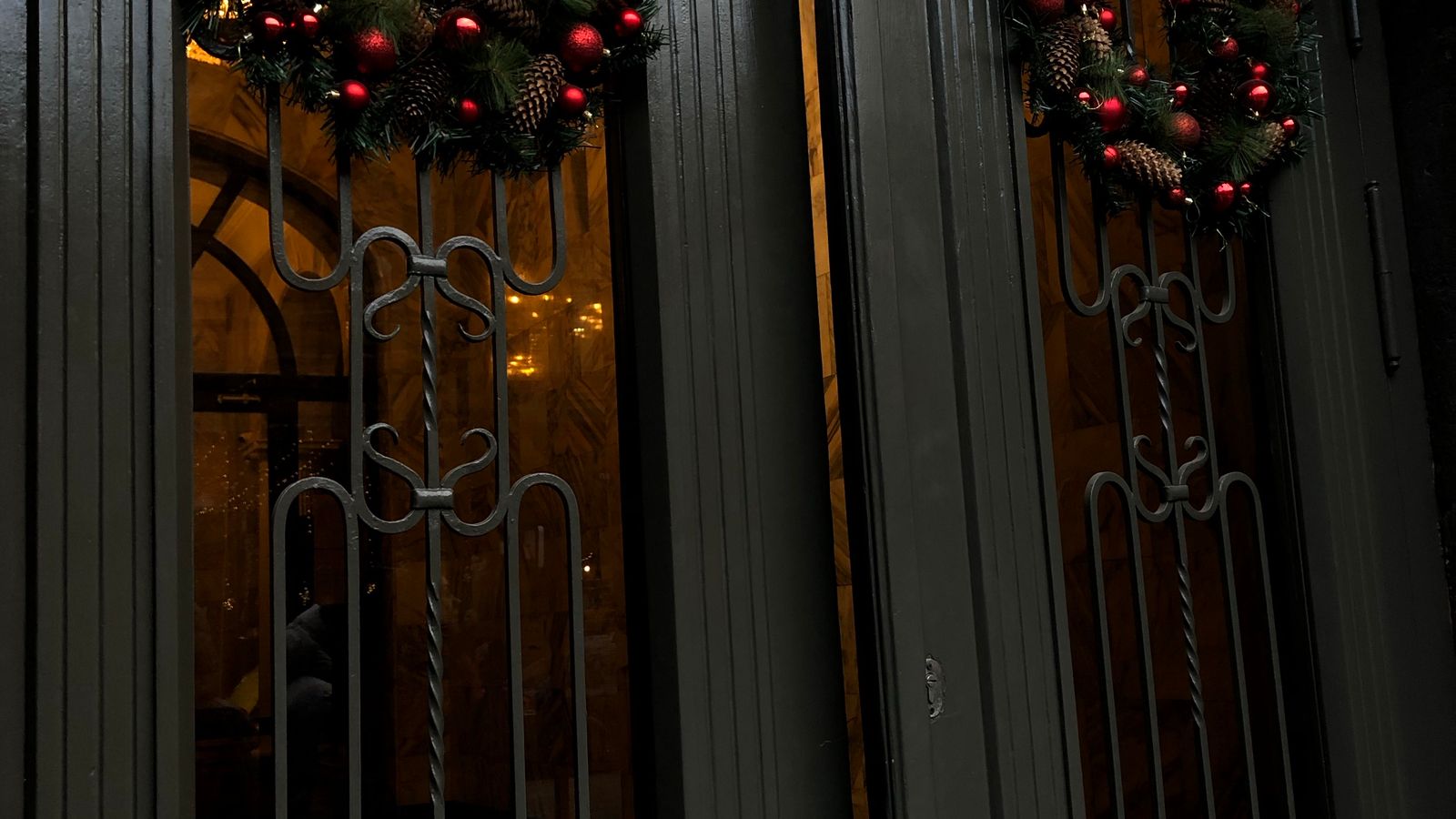
If the wreath is going on an exterior door, prioritize weather-resistant materials (UV-treated faux foliage, plastic or resin bases) over paper-based or unfinished wood designs that fade and warp in sun and rain. Indoor wreaths have far more material options since they never face the elements.
Step 3: Fill In With Faux Flowers
Faux flowers are the most flexible and usually the cheapest of the three purchases, which makes them the ideal place to fine-tune your color scheme once the frame and wreath are settled. Use them in a vase near the collage wall, tucked into the wreath itself, or as a small accent on a console table beneath the frames.
- Buy stems, not pre-arranged bouquets, if you’re on a tight budget – a bundle of individual stems costs less per flower and lets you build an arrangement sized exactly to your vase or wreath.
- Match texture, not just color. A glossy plastic flower next to a matte linen-look frame mat will look cheap; look for silk-touch or “real touch” faux flowers for a higher-end feel at a modest price increase.
- Mix one “hero” flower type (a larger bloom like a peony or hydrangea) with a filler greenery (eucalyptus, baby’s breath) – this two-ingredient approach looks intentional without needing five different flower types.
Comparing a range of options before buying helps avoid the trap of grabbing the first bundle you see – this roundup of best faux flowers is a good way to see which materials and price points hold up best in photos and in person.
Step 4: Do a Trial Layout Before You Buy Everything
Once you’ve picked candidates for all three items (even if you haven’t purchased them yet), do a quick mockup:
- Print or screenshot the wreath, frame, and flower photos at roughly the right scale and hold them up against the wall or door.
- Check the sightline from where people usually stand or sit – a small collage frame can disappear from across a large living room.
- Photograph the mockup in the room’s actual lighting; colors that look good on a screen can shift noticeably under warm bulbs or daylight.
This five-minute step catches mismatches before you’ve spent money, which is the single best way to stay on budget – returns and re-buys cost more than the extra few minutes of planning.
Common Mistakes to Avoid
- Buying the wreath and frame in different finishes without a plan to bridge them – a glossy black frame next to a rustic burlap wreath needs a connecting element (a black ribbon, a small metal accent) or it will feel accidental.
- Overspending on the flowers – faux flowers are the easiest piece to buy in bulk on sale; don’t blow the budget here when the frame and wreath usually matter more to the overall look.
- Ignoring scale – a tiny wreath on a large door, or an oversized collage frame in a narrow hallway, undermines an otherwise good color match.
- Forgetting the mounting hardware budget – hooks, adhesive strips, and wall anchors are small costs that add up if you assumed they were included.
Simple Ways to Save More
- Shop end-of-season sales for wreaths (right after a holiday) even if you plan to use it as a year-round neutral piece.
- Buy a single large multi-photo collage frame instead of several small individual frames – one frame usually costs less per photo opening than buying separates.
- Reuse a wreath base you already own and simply swap the stems or ribbon seasonally instead of buying a new wreath every time.
- Look for faux flower stems sold in bulk packs rather than pre-made single stems; the per-stem price drops significantly.
FAQ
How much should I budget for a wreath, collage frame, and faux flowers together?
Budgets vary widely by size and material, but most people can build a solid, cohesive small display for well under $150 total by prioritizing one statement piece (usually the frame) and keeping the other two more modest.
Should I buy the wreath or the frame first?
Start with the collage frame if it’s going to anchor a wall, since its size and finish are harder to change later. If the wreath is your true focal point (for example, on a front door that’s the first thing guests see), reverse the order and let the wreath lead.
Can I mix real and faux flowers in the same scheme?
Yes – many people use faux flowers for the long-lasting wreath and console accents, then add fresh flowers occasionally for a special occasion. Just keep the faux stems realistic enough that the mix doesn’t look mismatched.
How do I keep the whole scheme from looking cluttered?
Stick to your chosen color palette, limit yourself to one wreath, one frame arrangement, and one flower vase per wall, and leave breathing room between elements rather than filling every inch of space.
Final Thoughts
A budget-friendly home decor scheme built around a wreath, a photo collage frame, and faux flowers comes down to sequencing and restraint: pick your palette first, shop the frame before the smaller accents, and resist buying anything that doesn’t clearly support the look you already decided on. Follow the steps above and you’ll end up with a display that looks curated rather than assembled piece by piece.