A cohesive home decor scheme doesn’t require a full renovation or a designer’s budget – sometimes it just takes three well-chosen categories of accessories working together: something for the table, something for the wall, and something that protects your surfaces every day. Napkin rings, wall clocks, and coasters are small items individually, but when you choose them with a shared color palette, material, or theme, they quietly tie a room together. This guide walks you through exactly how to plan, shop for, and assemble this trio so your dining area and living space feel intentional instead of accidental.
Why These Three Items Work as a Starter Scheme
Napkin rings, wall clocks, and coasters aren’t randomly grouped – they represent three different “zones” of a home that most people touch every single day: the dining table, the wall above a console or living space, and the coffee table or countertop. Because each item is relatively inexpensive and easy to swap, they make an ideal entry point for anyone building a decor scheme from scratch. You get immediate visual payoff without committing to furniture-level decisions, and you can test a color story or material direction (like brass, matte black, rattan, or marble) before investing in bigger pieces.
This approach also gives you flexibility. If your taste shifts next season, you’re only replacing small, affordable accents rather than reupholstering a sofa.
What You’ll Need Before You Start
Before shopping, gather a few basics so your choices stay consistent:
- A tape measure (for wall clock placement and table sizing)
- A photo or swatch of your existing color palette (wood tone, wall paint, upholstery)
- A rough budget range for each category
- Painter’s tape (to mock up clock placement on the wall)
- A soft cloth for wiping down surfaces before styling
Having these on hand prevents the most common mistake in accessory shopping: buying pieces that look great individually but clash once they’re side by side.
Step 1: Choose a Unifying Material or Finish
Start by picking one material family that will repeat across all three items – even loosely. Common combinations include:
- Warm metals: brass or gold-toned napkin rings, a brass-rimmed clock, and cork or wood coasters with metal trim
- Natural textures: rattan or wood napkin rings, a wood-framed clock, and stone or slate coasters
- Modern minimal: matte black napkin rings, a black-and-white clock face, and simple ceramic coasters
You don’t need an exact match – a mix of complementary tones (say, brass accents on an otherwise black clock) reads as intentional, while three completely unrelated finishes will look scattered.
Step 2: Set the Table First
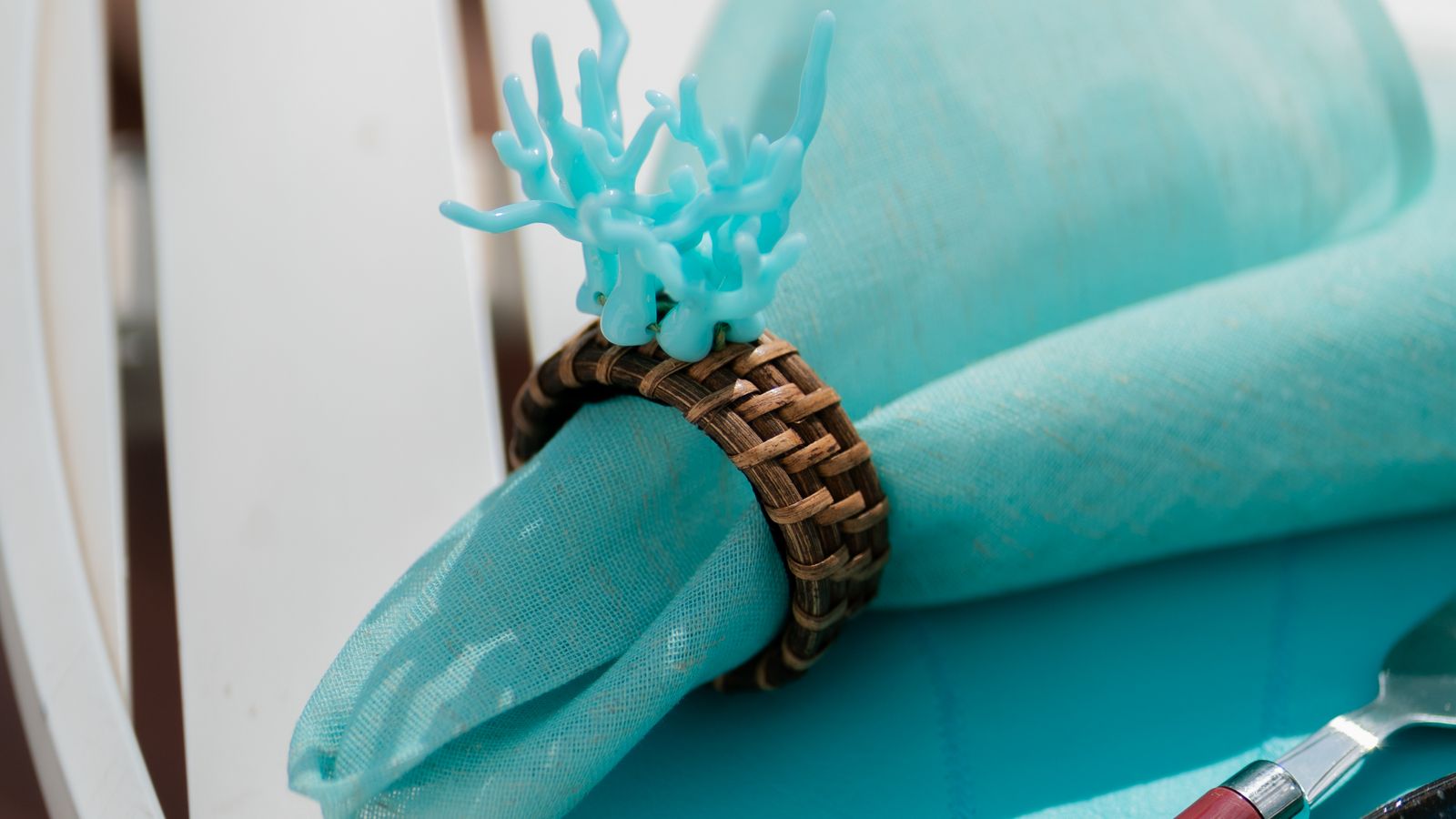
Napkin rings are the easiest of the three to test because they’re inexpensive and sold in sets. Buy a set that matches your everyday dinnerware or tablecloth, and place them on folded napkins to see how the color interacts with your table. If you eat family-style often, a slightly bolder ring design works well since it’s viewed up close. If your table is more of a display piece, subtler tones tend to age better.
For inspiration and specific product options, browse this roundup of stylish napkin ring sets to see how different materials and shapes photograph on a real table.
Step 3: Pick the Wall Clock and Plan Its Placement
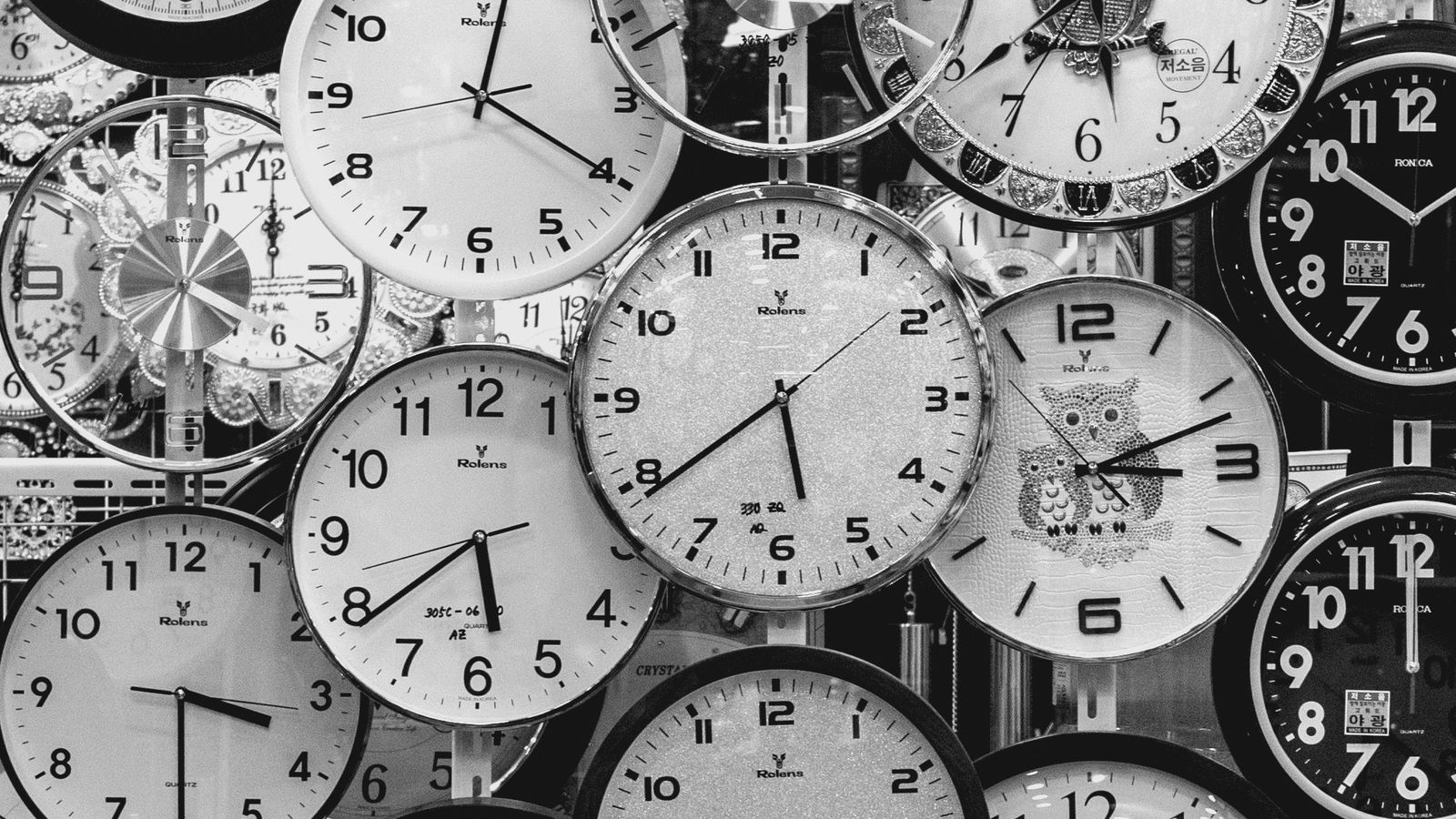
A wall clock does double duty – it’s functional and it’s often the largest single decor object in a dining room or kitchen. Measure the wall space you’re considering, and use painter’s tape to outline the clock’s diameter before buying, so you can confirm it won’t crowd cabinets, light fixtures, or door frames.
Aim to hang the clock so its center sits roughly at eye level, typically 60 to 65 inches from the floor, unless it’s above a piece of furniture – in which case leave about 6 to 12 inches of breathing room between the furniture top and the bottom of the clock.
If you want to compare styles ranging from minimalist faces to statement oversized designs, this guide to wall clocks breaks down options by size, mechanism, and finish.
Step 4: Add Coasters for Daily Protection and Style
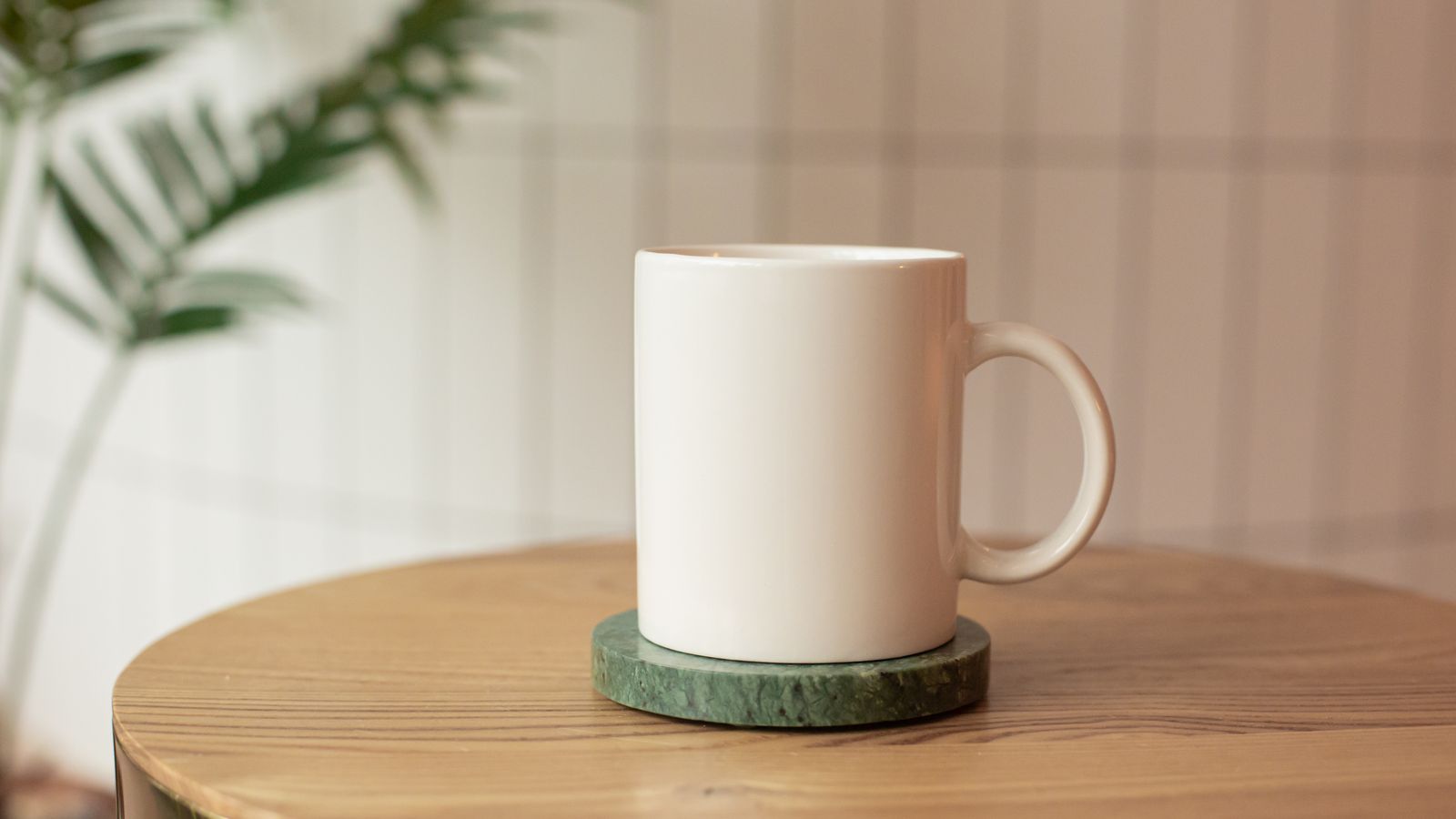
Coasters are the most functional of the three, but they still contribute visually, especially on a coffee table or open shelving where they’re always in view. Choose a shape and material that echoes either the napkin rings or the clock frame – round cork coasters paired with a round clock, for instance, or square marble coasters that pick up a stone accent elsewhere in the room.
Look for a set with enough pieces for your household plus guests, and check that the base has a non-slip layer so they don’t slide on glass or lacquered surfaces. For a curated list of durable, attractive options, see this comparison of best coasters across cork, stone, and silicone materials.
Putting the Scheme Together in the Room
Once you’ve selected all three items, do a “dry run” before committing:
- Set the table with the napkin rings on napkins, next to your everyday plates.
- Prop the clock (unmounted) against the wall where it will hang, and step back 6-8 feet to check scale.
- Place the coasters on the surface where they’ll live daily, under a glass or mug, to see how they read in context.
- Photograph the room from the doorway – photos reveal color clashes that are easy to miss in person.
- Adjust one element if something feels off, rather than replacing the whole scheme.
Safety and Care Notes
- Use a stud finder or the appropriate wall anchor for drywall so the clock doesn’t pull loose over time, especially with heavier wood or metal frames.
- Battery-operated clocks should have batteries installed before hanging, so you’re not repeatedly removing it from the wall.
- Keep coasters away from direct high heat (like a pan straight off the stove) unless the material is explicitly rated for it – cork and untreated wood can scorch.
- Hand wash metal or lacquered napkin rings rather than running them through the dishwasher, since harsh detergents can dull the finish over time.
Common Mistakes to Avoid
- Matching too literally. Buying napkin rings, a clock, and coasters in the exact same finish can look like a themed gift set rather than a curated room. Aim for a shared tone with some variation.
- Ignoring scale. An oversized clock on a small wall, or tiny coasters on a large coffee table, throws off the proportions of the whole room.
- Skipping the placement test. Mounting a clock without first taping its outline on the wall is one of the most common regrets – patch holes are avoidable with five minutes of planning.
- Forgetting daily use. Decor items that look nice but are impractical (napkin rings too tight for your napkins, coasters too small for your mugs) end up in a drawer instead of on the table.
Budgeting Tips
If you’re working with a limited budget, prioritize the wall clock first since it has the biggest visual footprint, then coasters for daily function, and finish with napkin rings, which are typically the least expensive of the three and easiest to upgrade later. Watching for seasonal sales on home goods sites, or buying open-stock coasters instead of boxed sets, can also stretch a modest budget further without sacrificing the overall look.
Frequently Asked Questions
Do napkin rings, a wall clock, and coasters really need to “match”?
Not exactly – they need to feel related. A shared color family, finish, or material (like wood tones or brushed metal) is enough to tie them together without looking like a matched set bought off one shelf.
How do I know what size wall clock to buy?
As a general rule, a clock should be proportional to the wall space and any furniture below it. For a small accent wall, 10-12 inches in diameter is common; above a console table or in a larger dining room, 18-24 inches often reads better from across the room.
Can I use the same coasters year-round, or should I rotate them seasonally?
Many people keep one durable, neutral set (cork or stone) for daily use and add a smaller decorative set for holidays or seasonal refreshes. This keeps the base scheme consistent while allowing some seasonal variety.
What if my napkin rings and clock are different metals?
Mixed metals are a common and accepted design choice, as long as one metal is dominant and the other is used sparingly as an accent. Just avoid using three or more competing metal tones in the same small area.
How often should I replace these decor items?
Coasters typically wear out first due to daily use – replace them once the protective layer degrades or they no longer sit flat. Napkin rings and wall clocks can last for years; refresh them mainly when your color scheme changes or the finish visibly tarnishes.
Final Thoughts
Building a decor scheme around napkin rings, a wall clock, and coasters is one of the most approachable ways to give a room a finished, considered look without a major investment. Start with a shared material direction, test placement before committing, and prioritize pieces you’ll actually use daily. With those three categories working together, your dining and living spaces will feel noticeably more pulled-together – and you’ll have a repeatable framework for styling future rooms the same way.