
Frosted window film is one of the fastest, cheapest ways to add privacy and softened light to a small bathroom, apartment kitchen, home office, or tiny nursery window without losing natural light or committing to permanent glass etching. But small spaces have their own quirks: narrow window frames, tight sightlines, and rooms where every design choice is magnified. Picking the wrong pattern, opacity, or installation style can make a small room feel even more closed in. This guide walks you through exactly how to choose the right frosted window film for a compact space, from measuring your window correctly to matching the finish with the rest of your decor.
Why Frosted Window Film Works So Well in Small Spaces
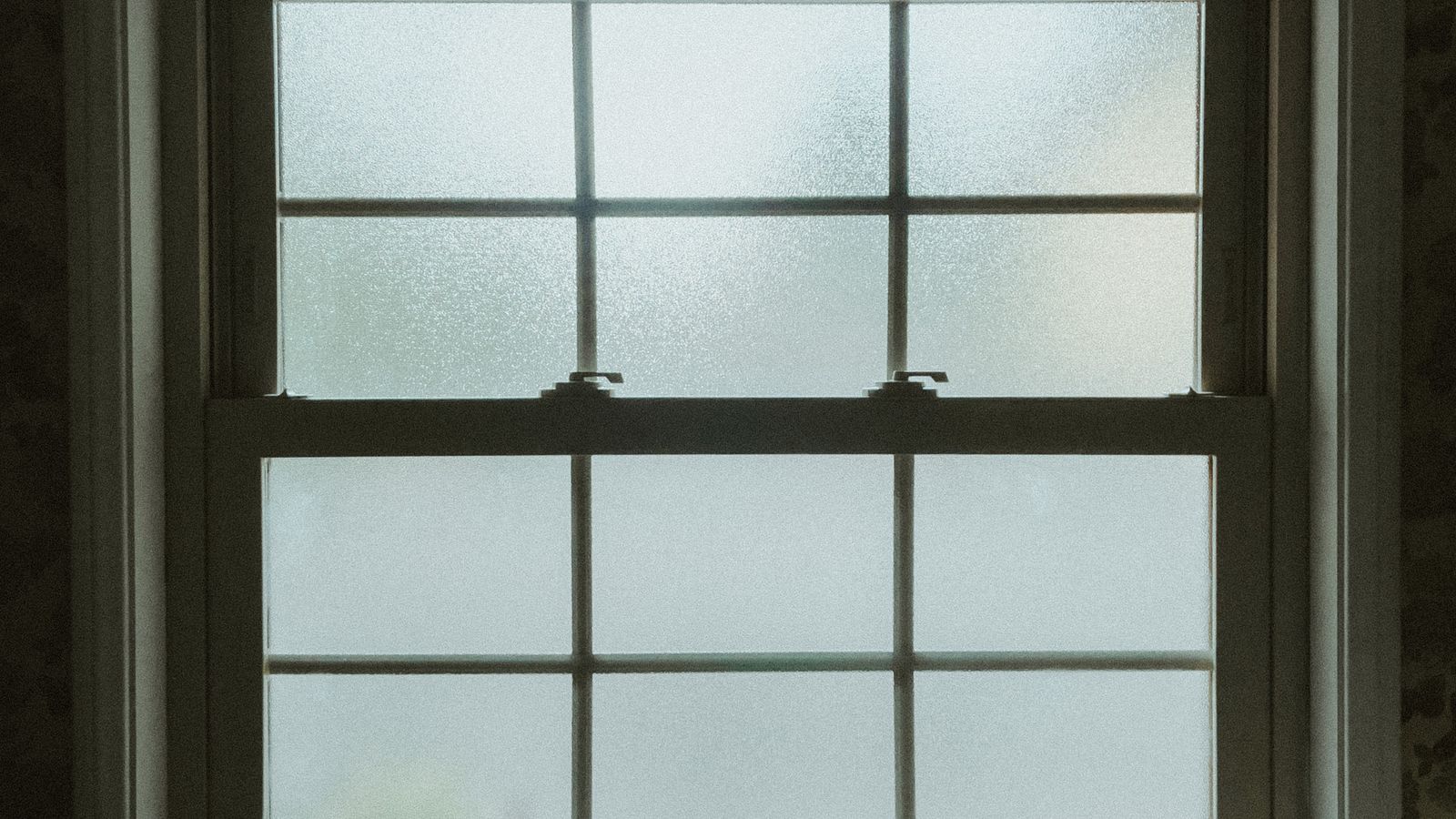
In a small room, every surface does double duty. A window isn’t just a light source – it’s also a sightline into (or out of) a tight area like a bathroom, a street-facing bedroom, or a home office that doubles as a guest room. Frosted film solves the privacy problem while still letting daylight pour in, which matters enormously in small spaces where blocking light with heavy curtains can make a room feel cramped and dim. Unlike blinds or drapes, frosted film takes up zero physical space on the wall or window frame, which is a real advantage when you’re working with only a foot or two of clearance around a window.
It’s also a renter-friendly option. Most static-cling and adhesive films can be removed without damaging the glass, making it a low-commitment way to test a design change before investing in more permanent window treatments.
Step 1: Measure Your Window Precisely
Before you shop, get exact measurements. Small windows are unforgiving – even a half-inch of miscut film looks obvious on a compact pane.
- Measure the width of the glass (not the frame) at the top, middle, and bottom, since older frames are rarely perfectly square.
- Measure the height on the left and right edges.
- Use the smallest width and height measurement as your cutting guide, so the film never overhangs the glass.
- Add nothing extra – frosted film should be trimmed flush to the glass edge, unlike fabric treatments that need overlap.
If your window has multiple panes (common in older homes or French-style casement windows), measure and plan to cut a separate piece for each pane rather than trying to cover mullions with one large sheet.
Step 2: Choose the Right Opacity Level
Frosted film comes in a range of opacities, and this is the single biggest decision for a small room.
- Light frost (10-20% opacity): Best for rooms that need a lot of natural light, like a small kitchen nook or home office. Offers a soft, hazy view rather than full privacy.
- Medium frost (30-50% opacity): The most popular choice for bathrooms and bedrooms. Blocks clear silhouettes while still letting in plenty of daylight.
- Heavy/etched frost (60%+ opacity): Near-total privacy, closer to sandblasted glass. Works well for street-level windows or shower enclosures, but can make a very small room feel darker if it’s the only light source.
As a rule of thumb: the smaller and darker the room, the more you should lean toward a lighter frost level, since you want to preserve as much brightness as possible.
Step 3: Match the Pattern to the Room’s Scale
Small spaces are visually sensitive to pattern size. A bold geometric or large floral etched design that looks elegant on a bay window can overwhelm a narrow bathroom pane.
Good pattern choices for small windows
- Subtle linen or rice-paper textures that read as a soft haze rather than a print
- Fine, evenly distributed dot or stipple patterns
- Simple solid frost with no pattern at all – often the cleanest look for very small panes
Patterns to use carefully
- Large-scale geometric or botanical etchings, which can look chopped off on narrow glass
- Directional patterns (stripes, chevrons) that draw the eye to how small the window actually is
If you love a bolder pattern, consider using it only as a border or corner accent on a small window rather than covering the entire pane.
Step 4: Decide Between Static Cling and Adhesive Film
There are two main installation types, and each has trade-offs worth knowing before you buy.
Static cling film
Applies with water and pressure only – no adhesive. It’s easy to reposition, remove, and reuse, which makes it ideal for renters or anyone who might want to reapply it on a different window later. The trade-off is that it can lift slightly at the edges over time, especially in humid bathrooms.
Adhesive-backed film
Bonds more permanently and resists peeling in humid environments, making it a better long-term choice for shower windows or kitchen backsplash-adjacent panes. It’s harder to remove cleanly, so it’s better suited to a space you plan to keep as-is.
For most small-space projects – apartments, rentals, or rooms you might redecorate again soon – static cling is the safer starting point.
Step 5: Consider Light Transmission and Room Orientation
A north-facing small room already gets less direct sun, so a heavier frost can make it feel noticeably dimmer. South- or west-facing windows can usually handle a denser frost without sacrificing brightness. Before buying, stand in the room at the time of day you use it most and note how much natural light you’re already working with – that will tell you how much opacity you can afford to add.
Step 6: Plan the Cutting and Application Process
- Clean the glass thoroughly. Use a lint-free cloth and a vinegar-water solution; any dust or streaks will trap air bubbles under the film.
- Cut slightly oversized. Leave about a quarter inch of extra film on each edge, then trim flush after application with a sharp utility knife and straightedge.
- Spray the glass with an application solution (water with a drop of dish soap works for most films) so the film can slide into position before it sets.
- Apply the film adhesive-side down and use a squeegee from the center outward to push out air bubbles and excess solution.
- Trim the edges with a fresh blade, cutting away from yourself and using the window frame as a guide.
- Let it cure for 24-48 hours before cleaning the window again, so the film fully sets.
Safety Notes and Common Mistakes
- Always use a fresh, sharp blade – dull blades tear film and increase the risk of slipping.
- Work on a stable step stool for higher windows rather than reaching or standing on furniture.
- Don’t apply film in direct hot sun; the solution dries too fast, making it hard to reposition and increasing bubble risk.
- Avoid over-squeegeeing a corner repeatedly, which can stretch and distort thin films near the edges.
- Don’t skip the cleaning step – even fingerprint oils can cause a visible bubble that’s hard to fix later.
- Resist the urge to size the film exactly to your first measurement; always trim after application for a cleaner, gap-free edge.
Pairing Frosted Film With the Rest of Your Window Treatments
Frosted film doesn’t have to work alone. In a small kitchen or breakfast nook, pairing a lightly frosted lower pane with best cafe curtains on a short rod above it gives you layered privacy and a softer, more finished look without blocking the whole window. If you’re using fabric panels elsewhere in the same room, coordinating them with a set of curtain tiebacks can keep the space feeling open rather than cluttered, which matters more in small rooms than large ones.
If you’re still comparing film types, textures, and finishes before committing, browsing a roundup of frosted window film options side by side can help you see how opacity and pattern actually look once installed, rather than judging from a swatch alone.
Quick Decision Checklist
- Do you need full privacy or just softened visibility? → Choose opacity level accordingly.
- Is the room already dim? → Lean toward light or medium frost.
- Renting or might move the film later? → Choose static cling.
- Window faces a humid area like a shower? → Choose adhesive-backed film.
- Is the window narrow or oddly shaped? → Favor subtle textures over large patterns.
Frequently Asked Questions
Does frosted window film make a small room feel darker?
Not necessarily. Light and medium frost levels still transmit most of the daylight passing through the glass – they simply diffuse it, which can actually make a small room feel softer and more evenly lit rather than darker.
Can I apply frosted film to a textured or older window?
Static cling film generally needs a smooth glass surface to adhere properly. If your glass has heavy texture or imperfections, test a small corner piece first before committing to the full window.
How long does frosted window film typically last?
Quality film can last several years indoors with proper application, though films on humid bathroom windows or in direct, intense sun may need replacing sooner if edges start to lift or yellow.
Can I still see shadows or movement through frosted film?
Yes, especially with lighter opacity levels. If you need to block all visible movement, choose a heavier frost or an etched-pattern film rather than a light haze finish.
Is frosted film safe to use in a rental apartment?
Static cling film is generally the safest option for rentals since it applies with water only and can be peeled off without leaving residue or damaging the glass, unlike adhesive-backed versions.
Final Thoughts
Choosing the right frosted window film for a small space comes down to balancing privacy against light: measure carefully, pick an opacity that matches how bright the room already is, favor subtle patterns over bold ones, and choose an installation type that fits how long you plan to keep it up. Get those four decisions right, and even the smallest window can feel private, bright, and intentionally styled rather than like an afterthought.