Buying a new washing machine is a bigger decision than most shoppers expect. Prices vary wildly, features can add hundreds of dollars to the sticker price, and it is easy to fall in love with a machine that simply will not fit your laundry room. The smartest way to avoid an expensive mistake is to build a short, disciplined shortlist before you ever compare specific models. This guide walks you through how to set a realistic budget, then shows you how three popular categories – washing machines with sanitize cycles, washing machines for small spaces, and washing machines without agitators – stack up against each other so you can decide which combination of features actually deserves your money.
Step 1: Set a Realistic Total Budget
Before you look at a single product page, decide what you can actually spend, including delivery, installation, and any hookup accessories. A washing machine budget should account for four separate line items:
- The machine itself – entry-level top-load models typically start around $450, while feature-rich front-load or compact units can run well past $1,200.
- Delivery and haul-away – many retailers charge $50 to $100 to deliver and remove your old unit.
- Installation parts – new hoses, a drain pan, or a stacking kit can add $30 to $150.
- A contingency buffer – set aside roughly 10% of your budget for surprises like a mismatched outlet or an undersized doorway.
Once you have a total figure in mind, split it into a must-have tier and a nice-to-have tier. This is what keeps you from overspending on a feature you will rarely use, while still leaving room for the one or two upgrades that genuinely matter to your household.
Step 2: Identify Your Non-Negotiable Features
Every household has a different priority list. Before comparing categories, ask yourself which of the following matters most:
- Hygiene: Do you need a dedicated sanitize cycle for allergy relief, cloth diapers, or a household member with a compromised immune system?
- Space: Are you working with a closet, an apartment nook, or a stacked laundry pair where footprint is the deciding factor?
- Fabric care: Do you wash a lot of bulky bedding, delicate items, or activewear that could snag or tangle on a center agitator?
Most buyers will lean toward one of these three priorities, though some households need a combination. Ranking them honestly now saves you from indecision later when you are staring at a wall of similar-looking machines.
Step 3: Compare the Three Shortlist Categories
With your budget and priorities set, it is time to weigh the three categories against each other. None of these are mutually exclusive – some machines blend two or even all three traits – but understanding the trade-offs of each helps you narrow your search fast.
Washing Machines with Sanitize Cycles
A sanitize cycle uses extended high-heat wash and rinse phases to reduce bacteria and allergens on fabric, often meeting NSF sanitization standards. These cycles run longer (sometimes over 90 minutes) and use more hot water, which typically raises both the upfront price and the ongoing utility cost compared to a basic wash-and-spin model. Sanitize cycles are worth the premium if you have young children, pets, allergy sufferers, or anyone recovering from illness in the home. If hygiene is a top concern for your household, start your research with washing machines with sanitize cycles to see which models balance sanitizing power with reasonable cycle times.
Washing Machines for Small Spaces
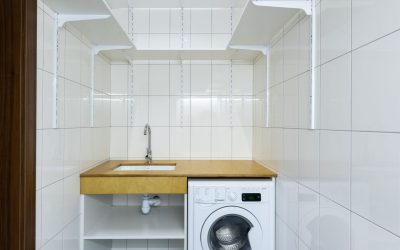
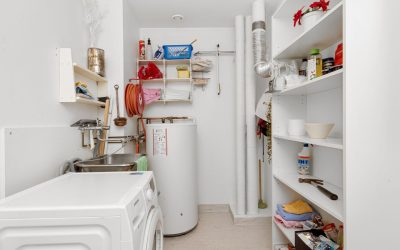
Compact and stackable washers are built for apartments, tiny homes, condos, and closet installations where every inch counts. These units generally have a smaller drum capacity, which means more frequent loads for a family of four or more, but they make laundry possible in spaces a full-size machine simply cannot fit. Budget-wise, compact models can actually be less expensive up front, though ventless or all-in-one washer-dryer combos in this category often cost more due to their specialized engineering. If your laundry area is tight, browsing washing machines for small spaces will help you compare footprint, capacity, and stacking compatibility side by side.
Washing Machines without Agitators
Agitator-free machines – whether front-load or high-efficiency top-load with an impeller – use a tumbling or gentle rotation motion instead of a center post to move clothes through the wash. This design is gentler on fabric, reduces tangling, and typically allows for a larger usable drum capacity since there is no agitator taking up space. The trade-off is usually a higher price point and, for front-load models, a need to periodically clean the door gasket to prevent odor. If gentle fabric care and larger capacity are your priority, review the best washing machines without agitators to compare impeller and front-load options.
Step 4: Score Each Category Against Your Budget Tiers
With the trade-offs in mind, go back to your must-have and nice-to-have list from Step 2 and score each category on a simple scale:
- Must-have match: Does this category solve your core problem (hygiene, space, or fabric care)?
- Price fit: Does a realistic model in this category fall within your total budget, including delivery and installation?
- Long-term cost: Will this category’s water and energy use noticeably affect your utility bill over a few years?
A household with allergy concerns and a generous budget might prioritize a sanitize cycle even if it costs more upfront. A renter in a studio apartment will likely rank space savings above everything else, even if it means a smaller drum. A family that washes a lot of bedding and delicates may find an agitator-free machine pays for itself in reduced fabric wear over the years.
Step 5: Build Your Final Shortlist
Now narrow your options to three to five specific models total, drawn from whichever category (or categories) scored highest in Step 4. Keep a simple spreadsheet or notes list with these columns for each candidate:
- Model name and retailer
- Total price with delivery and installation
- Drum capacity and dimensions
- Key cycle or feature (sanitize, compact footprint, agitator-free drum)
- Estimated annual energy and water use, if listed on the Energy Guide label
Having this side-by-side comparison in front of you makes the final decision far less overwhelming than scrolling through dozens of open browser tabs.
Common Budgeting Mistakes to Avoid
- Forgetting installation costs: A stacking kit, new hoses, or a longer power cord can add up quickly if you do not plan for them.
- Ignoring measurements: Always measure your doorway, hallway, and installation nook before ordering – a machine that will not fit through the door is a costly return.
- Chasing every feature at once: Trying to find one machine that maximizes sanitizing power, compact size, and a large agitator-free drum can push you well outside your budget. Prioritize instead.
- Skipping the warranty comparison: A slightly cheaper machine with a shorter warranty can cost more in the long run if a repair is needed early.
Frequently Asked Questions
How much should I budget for a new washing machine?
Most households can find a reliable machine between $500 and $900, though feature-rich sanitize-cycle or agitator-free models can run $1,000 to $1,500. Always add delivery, installation, and a small contingency to whatever price you see online.
Do sanitize cycles really make a difference?
Yes – sanitize cycles use sustained high water temperatures to reduce bacteria levels significantly more than a standard warm wash, which matters for cloth diapers, sports gear, and households managing illness or allergies.
Are compact washing machines less durable than full-size ones?
Not necessarily. Compact and stackable machines from reputable brands are built for daily use, though their smaller drums mean more frequent cycles for larger households, which can add wear over time.
Is an agitator-free machine worth the extra cost?
If you regularly wash bedding, delicates, or bulky items, the larger capacity and gentler tumbling action of an agitator-free machine often justifies the price difference through less fabric damage and fewer loads per week.
Can I combine features from all three categories?
Some machines do combine a sanitize cycle, a compact footprint, and an agitator-free drum, but they tend to sit at the top of the price range. Rank your priorities first, then look for a model that covers your top two needs within budget.
Final Thoughts
Budgeting for a new washing machine is less about finding the cheapest option and more about matching your household’s real priorities – hygiene, space, or fabric care – to a price you are comfortable spending. Set your total budget first, rank your must-have features, then compare sanitize-cycle, small-space, and agitator-free options against that list. With a clear shortlist in hand, you will be able to shop with confidence instead of second-guessing every option in the store.