A room can have great furniture and still feel flat if the lighting and finishing touches are wrong. Three of the easiest – and most affordable – items to fix that are an accent lamp, an artificial plant, and a salt lamp. Together they cover the three things every room needs: a focused light source, a splash of living color (without the maintenance), and a soft, warm glow for the evening. This guide walks you through how to choose each piece and build them into a starter kit that actually works together, instead of just looking like three random purchases sitting in the same corner.
Why These Three Pieces Work as a Starter Kit
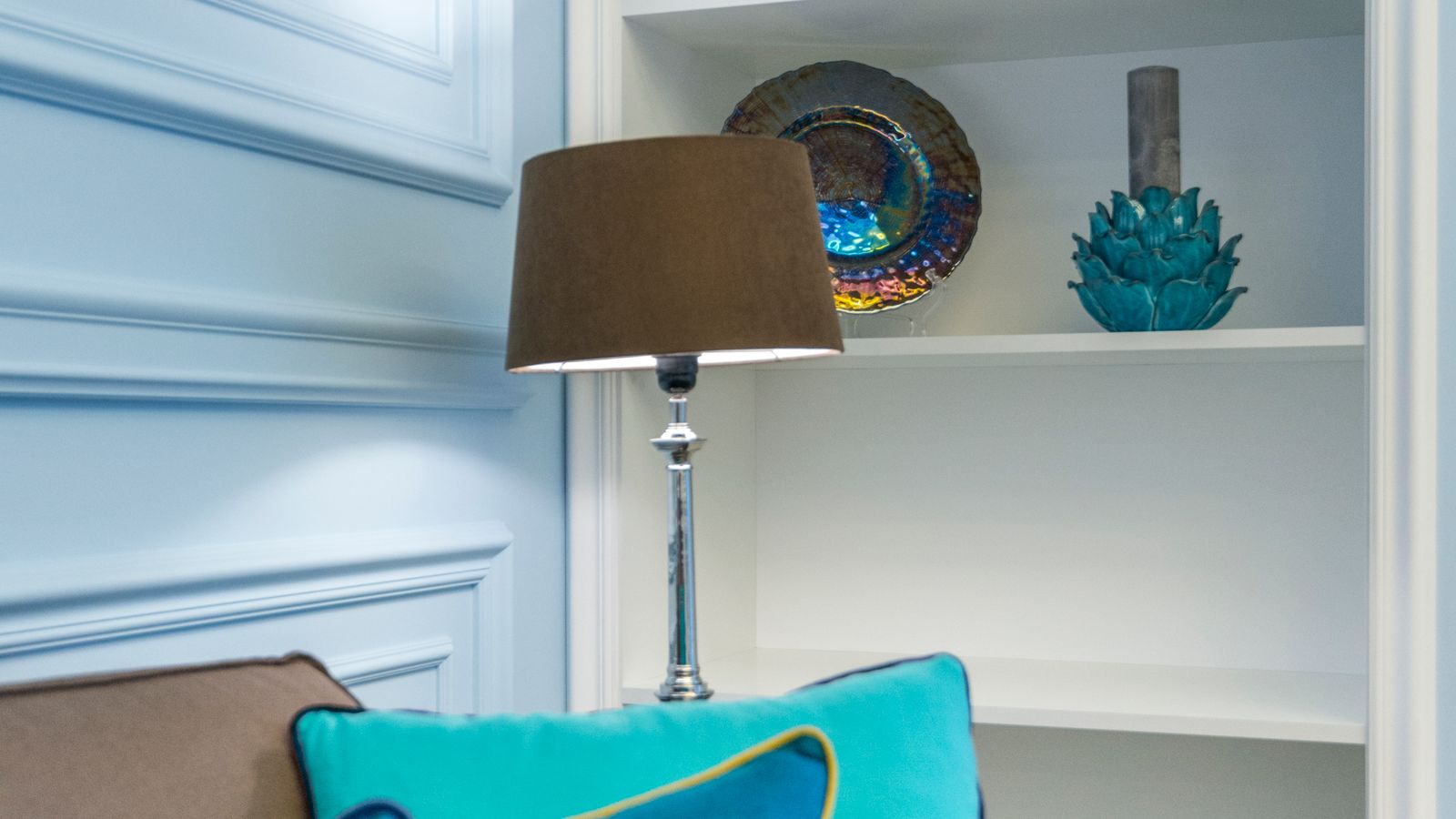
Accent lamps, artificial plants, and salt lamps solve three different problems, which is exactly why they pair so well. An accent lamp gives you task or mood lighting in a spot your overhead fixture can’t reach – a reading nook, a console table, a dark corner. An artificial plant adds texture, height, and a sense of life to a shelf or floor space without needing sunlight or watering. A salt lamp brings a low, amber glow that’s ideal for evenings, plus a bit of natural texture from the raw crystal. None of them require rewiring, painting, or a big budget, which makes this one of the fastest ways to make a room feel finished.
Step 1: Choose the Right Accent Lamp First
Start with the accent lamp because it usually sets the tone – its finish, shade color, and base material will influence what you pick for the plant and salt lamp afterward.
- Pick a scale that fits the surface. A lamp on a small side table should sit no taller than about two-thirds the height of anything behind it, like a window or headboard.
- Match the metal or wood tone to at least one other finish already in the room – a brass base echoes brass hardware, a wood base echoes a wood console.
- Decide on warm or cool light. For most living rooms and bedrooms, a warm bulb (around 2700K) reads cozier than a cool white one.
- Check the shade material. Fabric shades diffuse light softly; glass or metal shades throw more direct, dramatic light.
If you’re still narrowing down styles and finishes, browsing a dedicated roundup can speed things up – see this guide to the best accent lamps for options across budgets and styles.
Step 2: Add an Artificial Plant for Height and Texture
Once the lamp is in place, the plant’s job is to soften the space and add some visual height nearby, without competing for attention.
- Choose a size relative to the lamp. If the lamp is short and squat, a taller plant (like a faux fiddle leaf fig or olive tree) creates contrast. If the lamp is tall, a smaller tabletop plant works better.
- Look for realistic leaf texture and matte finishes. Cheaper artificial plants often have a plastic sheen that reads fake from across the room; textured, slightly uneven leaves look far more convincing.
- Pick a pot that matches your lamp base or nearby decor – a neutral ceramic or woven basket pot blends into almost any scheme.
- Place it slightly behind or beside the lamp, not directly in front, so the light isn’t blocked and both pieces stay visible.
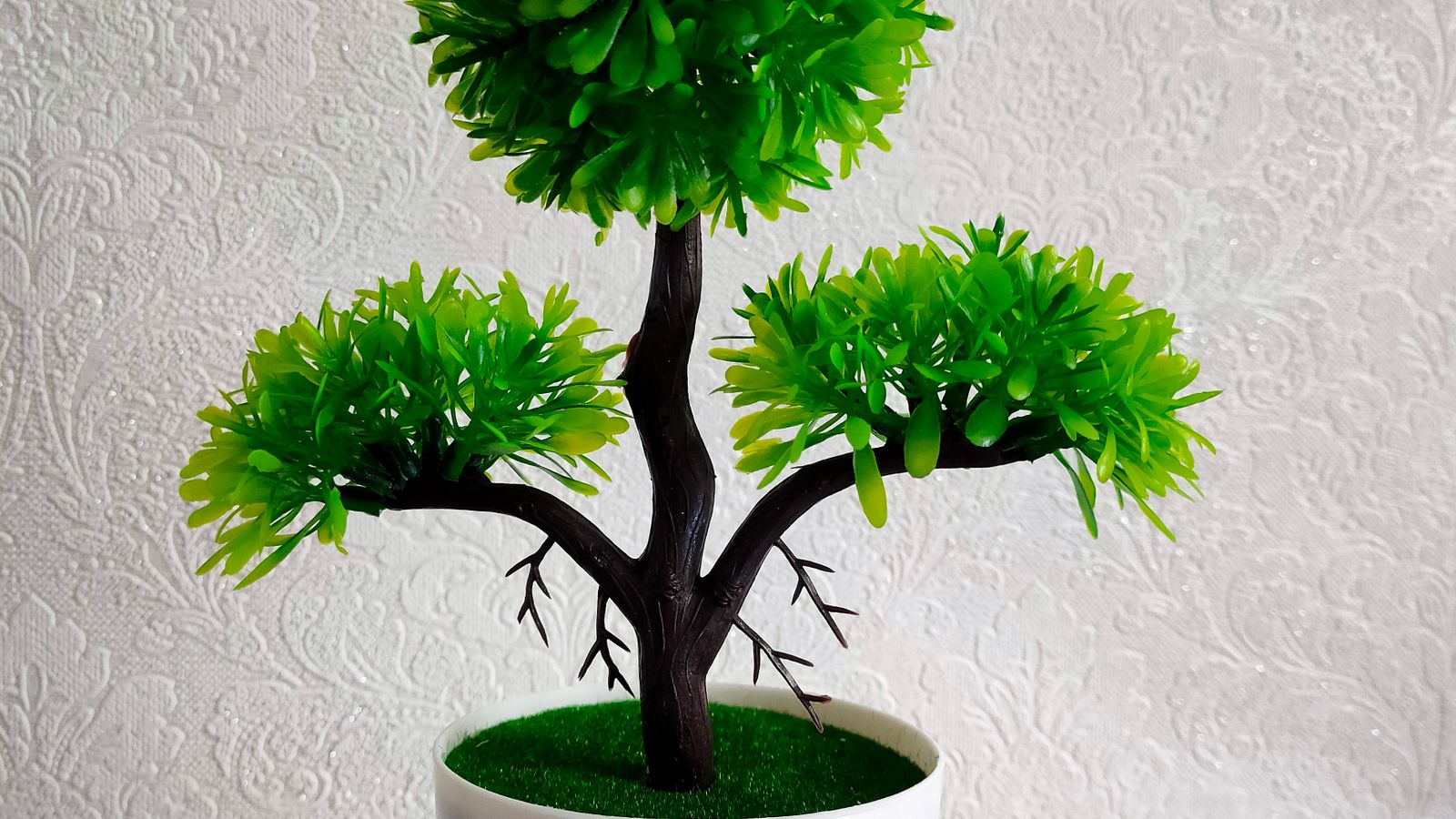
For style inspiration and options at different price points, this list of artificial plants is a good place to compare leaf types and pot styles before you buy.
Step 3: Layer in a Salt Lamp for Evening Ambience
The salt lamp is the last piece, and it plays a different role than the accent lamp – instead of task lighting, it’s there purely for mood, usually switched on in the evening while the main lamp stays off.
- Pick a size that suits the surface. A small 3-5 lb lamp works well on a nightstand or bookshelf; larger 7-10 lb lamps suit a console table or floor placement.
- Look for a stable wooden base and a bulb-style fixture rather than a tea light, for consistent, safe use.
- Keep it away from direct window sun or high humidity, since Himalayan salt naturally draws moisture from the air and can sweat in damp rooms.
- Place it at a different height than the accent lamp – for example, on a lower shelf while the lamp sits on the tabletop – so the two light sources don’t visually collide.
If you want to compare glow color, size, and base styles, this roundup of salt lamps covers a wide range of options.
How to Arrange the Three Pieces Together
Once you have all three items, arranging them well makes the difference between a styled vignette and a cluttered corner. A few simple rules help:
- Use the rule of odd numbers. Three objects grouped together (lamp, plant, lamp) generally look more intentional than an even number.
- Vary the heights. Aim for a visual triangle – one tall element (the plant), one medium (the accent lamp), one low (the salt lamp) – rather than three items of the same height in a row.
- Leave breathing room. Don’t push all three pieces edge to edge; a few inches of negative space between them keeps the grouping from feeling crowded.
- Balance the light temperature. If your accent lamp bulb is warm white, choose a salt lamp bulb in a similar warm range so the two don’t clash when both are lit.
- Anchor the grouping with a tray or shared surface if the table is large, so the three pieces read as one composed vignette instead of scattered objects.
Building the Kit on Different Budgets
You don’t need to buy all three at premium prices to get a cohesive look. A workable approach:
- Starter budget: a simple ceramic or resin accent lamp, a small tabletop artificial plant, and a compact 3-5 lb salt lamp – enough to cover one side table or shelf.
- Mid-range: a designer-style lamp with a linen shade, a medium faux plant with a woven pot, and a 5-7 lb salt lamp with a dimmer switch.
- Higher-end: a statement lamp in brass or marble, a large realistic faux tree, and a genuine hand-carved salt lamp on a hardwood base.
Whichever tier you choose, keeping the finishes (wood tones, metal accents, pot colors) consistent across all three pieces matters more than the price tag.
Common Mistakes to Avoid
- Buying the plant before the lamp. The lamp’s finish is usually the anchor for the rest of the grouping – pick it first.
- Choosing a salt lamp that’s too small for the room. A tiny lamp in a large living room gets lost visually; size it to the space, not just the shelf.
- Overcrowding the surface. Adding a fourth or fifth decor item to the same grouping usually makes it feel cluttered rather than curated.
- Ignoring cord management. Two lit pieces means two cords – plan your outlet access and consider a cord cover for a cleaner look.
- Skipping the bulb check. Mismatched bulb color temperatures between the accent lamp and salt lamp is one of the most common styling mistakes.
Care and Maintenance Tips
This kit is low-maintenance by design, but a little upkeep keeps it looking good:
- Dust the artificial plant’s leaves every few weeks with a soft cloth or a quick blast of compressed air to keep the texture looking realistic.
- Wipe down the salt lamp’s base occasionally, and keep a small dish or coaster underneath if your climate is humid.
- Check the accent lamp’s bulb life and replace it with the same color temperature to keep the room’s lighting consistent over time.
- Rotate the plant occasionally if it’s near a window, so any color fading happens evenly.
FAQ
Do I need to turn on the accent lamp and salt lamp at the same time?
No – many people use the accent lamp during the day or for reading, and switch to just the salt lamp’s soft glow in the evening. Having both on separate switches gives you flexibility.
Will a salt lamp leak or damage furniture?
In humid conditions, salt lamps can “sweat” slightly. Placing a small tray or coaster underneath protects wood furniture, and running the lamp regularly helps keep moisture from building up on the crystal.
How do I keep an artificial plant from looking fake?
Choose one with varied leaf sizes and a matte, slightly uneven texture, place it at a natural angle rather than perfectly upright, and pair it with a real-looking pot or planter rather than a plain plastic one.
Can I use this same approach in a bedroom instead of a living room?
Yes – a nightstand version works well with a smaller accent lamp, a compact tabletop plant, and a small salt lamp, which also makes a nice low-light source for winding down at night.
Final Thoughts
Building a decor starter kit around an accent lamp, an artificial plant, and a salt lamp is one of the simplest ways to make a room feel considered rather than half-finished. Choose the lamp first to set your finish and light tone, layer in a plant for height and texture, and finish with the salt lamp for warm evening ambience. Keep the arrangement varied in height, leave some breathing room between pieces, and match your bulb temperatures – and this small grouping will do a lot of visual work for very little effort or cost.