A kitchen renovation budget has a habit of shrinking the moment contractor bids come in. When that happens, the appliance lineup is usually the first place people start cutting – and the first place they start losing function they actually rely on. The good news is that downsizing your appliance list doesn’t have to mean downgrading your kitchen. With the right sequence of decisions, you can trim square footage, cost, and installation complexity while keeping the cooking capability that matters most to how you actually use the space.
This guide walks through a practical, step-by-step process for auditing your current appliance wish list, identifying what can be combined or cut, and choosing replacements that punch above their footprint. It’s built for anyone facing a smaller kitchen, a tighter budget, or simply a desire to avoid a wall of redundant boxes that never all get used at once.
Why Appliance Lineups Balloon in the First Place
Most kitchen renovation appliance lists grow for reasons that have little to do with actual cooking habits. Showroom displays present built-in ovens, warming drawers, steam ovens, and speed ovens as a matched set, which makes it feel incomplete to choose only one or two. Renovation shows normalize kitchens with six or seven major appliances, so homeowners assume that’s the baseline rather than the exception. And because appliances are usually specified early in the design process – before cabinetry, electrical, and venting are finalized – it’s easy to over-order “just in case” and never revisit the list once the layout is locked in.
The result is a kitchen with appliances that see occasional use crowding out the counter space, storage, and circulation room that get used every single day. Downsizing isn’t about deprivation; it’s about matching the lineup to real behavior.
Step 1: Audit How You Actually Cook
Before cutting anything, spend one to two weeks tracking what you cook and which appliance you reach for. Keep it simple – a notepad on the counter or a note on your phone works fine. Record the meal, the appliance used, and roughly how long it ran. This single exercise usually reveals that two or three appliances handle 90 percent of meals, while the rest sit idle between holidays and special occasions.
- Note which appliance gets used daily versus weekly versus a few times a year.
- Flag appliances used almost exclusively by one household member.
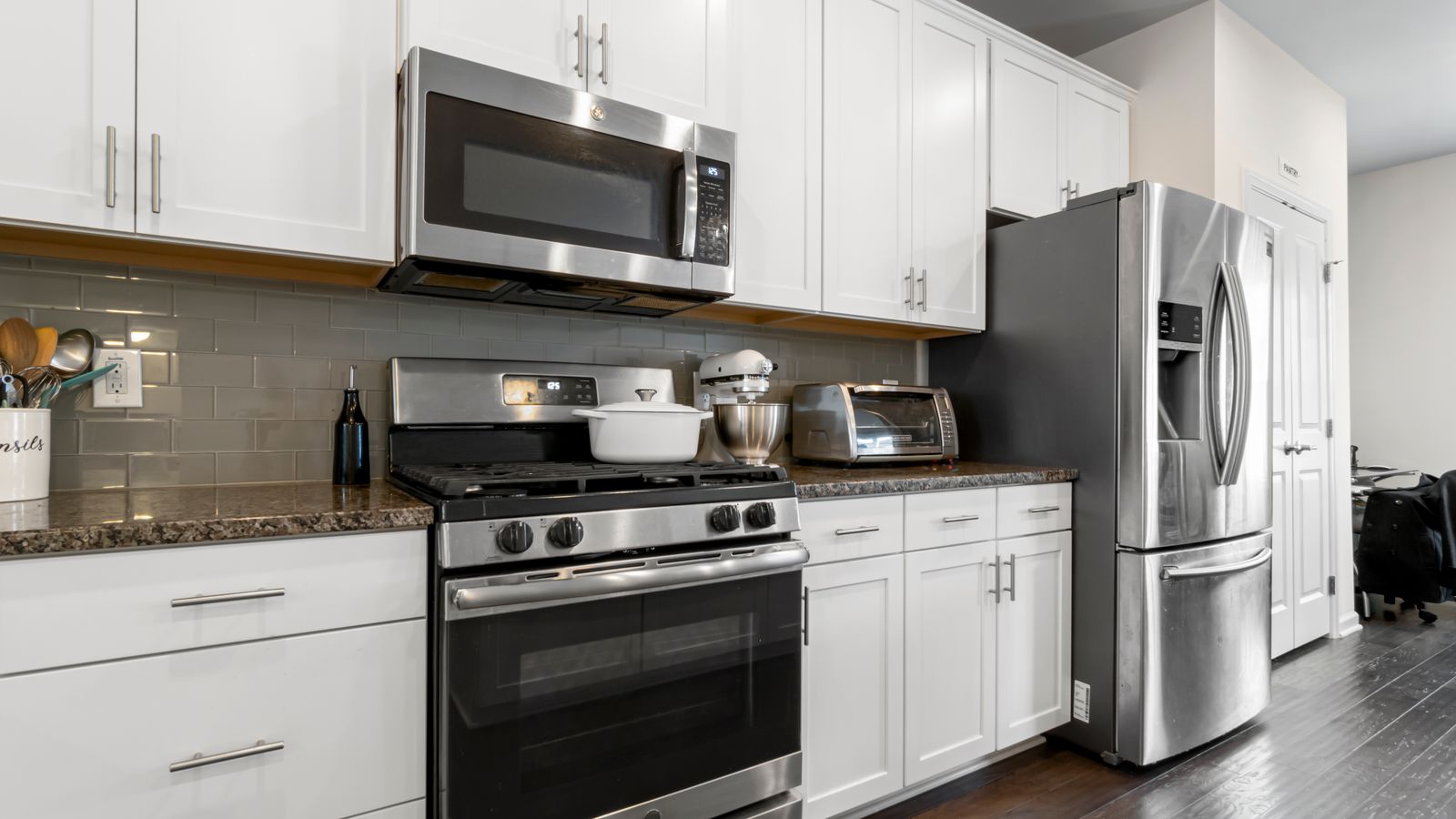
- Identify overlapping functions – for example, a microwave with convection settings duplicating what a countertop toaster oven already does.
This audit turns a vague sense of “we need everything” into a data-backed shortlist, which makes the next steps far less emotional and far more objective.
Step 2: Rank Appliances by Function, Not by Category
Instead of thinking in appliance categories (oven, microwave, warming drawer, steamer), think in functions: baking, reheating, holding food at temperature, browning, and quick-cooking. Many single appliances now cover two or three of these functions at once. A single wall oven with a convection-and-steam hybrid mode, for instance, can replace both a standalone steam oven and a warming drawer for many households. Ranking by function rather than category helps you see where one well-chosen unit can absorb the job of two or three specialty boxes.
Write your functions down the side of a page and list every appliance under consideration next to the functions it covers. Appliances that cover only one narrow function – and a function your audit showed you rarely use – are your first candidates for the cut list.
Step 3: Identify True Overlaps
Overlap is the biggest source of wasted budget and wasted cabinet space. Common overlaps worth scrutinizing include:
- Warming drawer vs. oven’s keep-warm setting: most modern wall ovens include a low-temperature hold function that performs the same job as a dedicated warming drawer for everyday use.
- Second wall oven vs. large-capacity single oven: a single oven with a bigger cavity and a good rack configuration can often handle a holiday-sized meal without a second full oven.
- Steam oven vs. microwave with steam function: combination microwaves with steam settings cover reheating and light steaming without a dedicated appliance.
Go through your shortlist and cross off anything that duplicates a capability another appliance on the list already covers reasonably well. “Reasonably well” is the key phrase – it doesn’t have to be identical performance, just close enough that the difference won’t be missed in daily use.
Step 4: Choose Multi-Function Anchors Over Single-Purpose Boxes
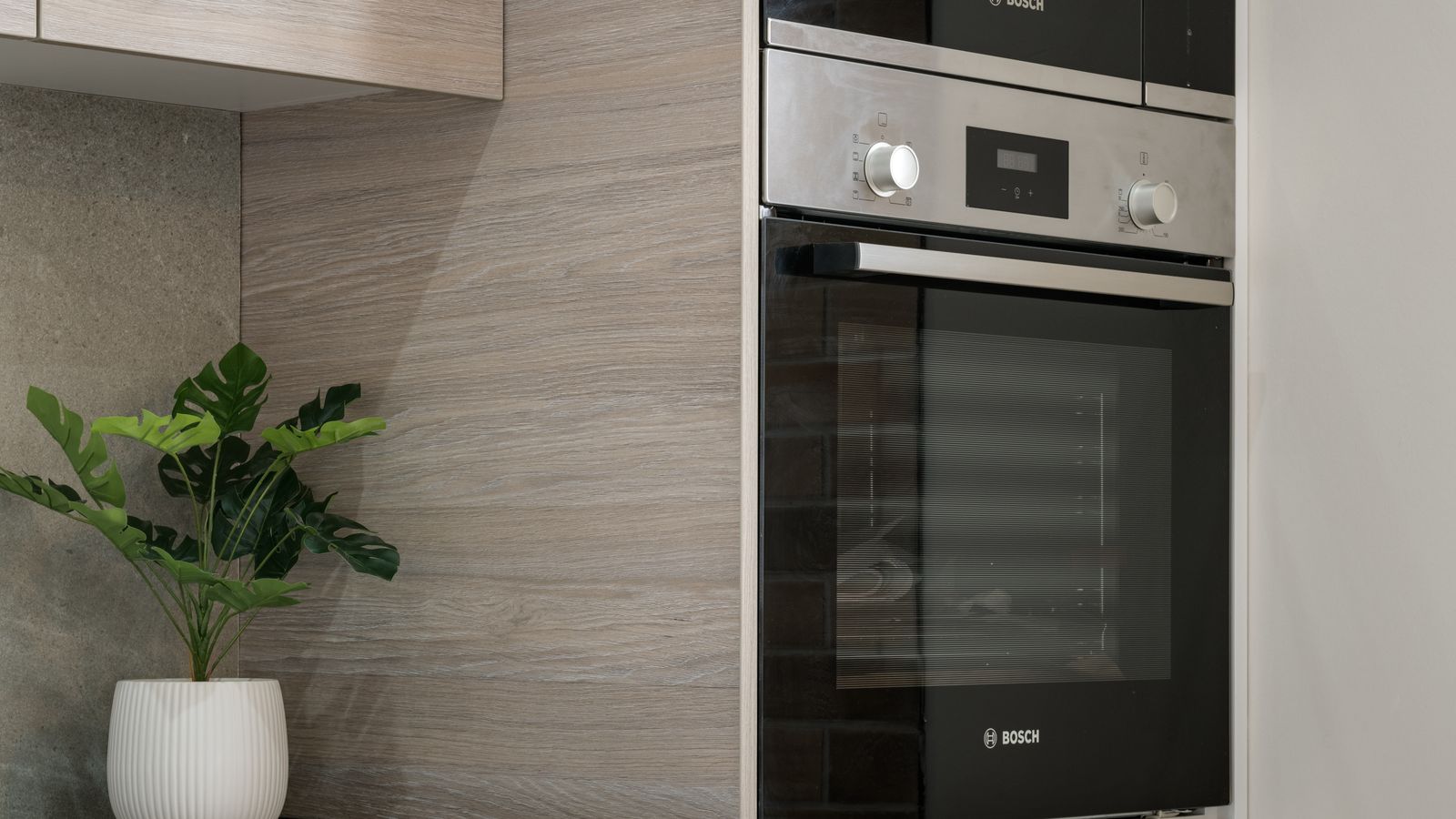
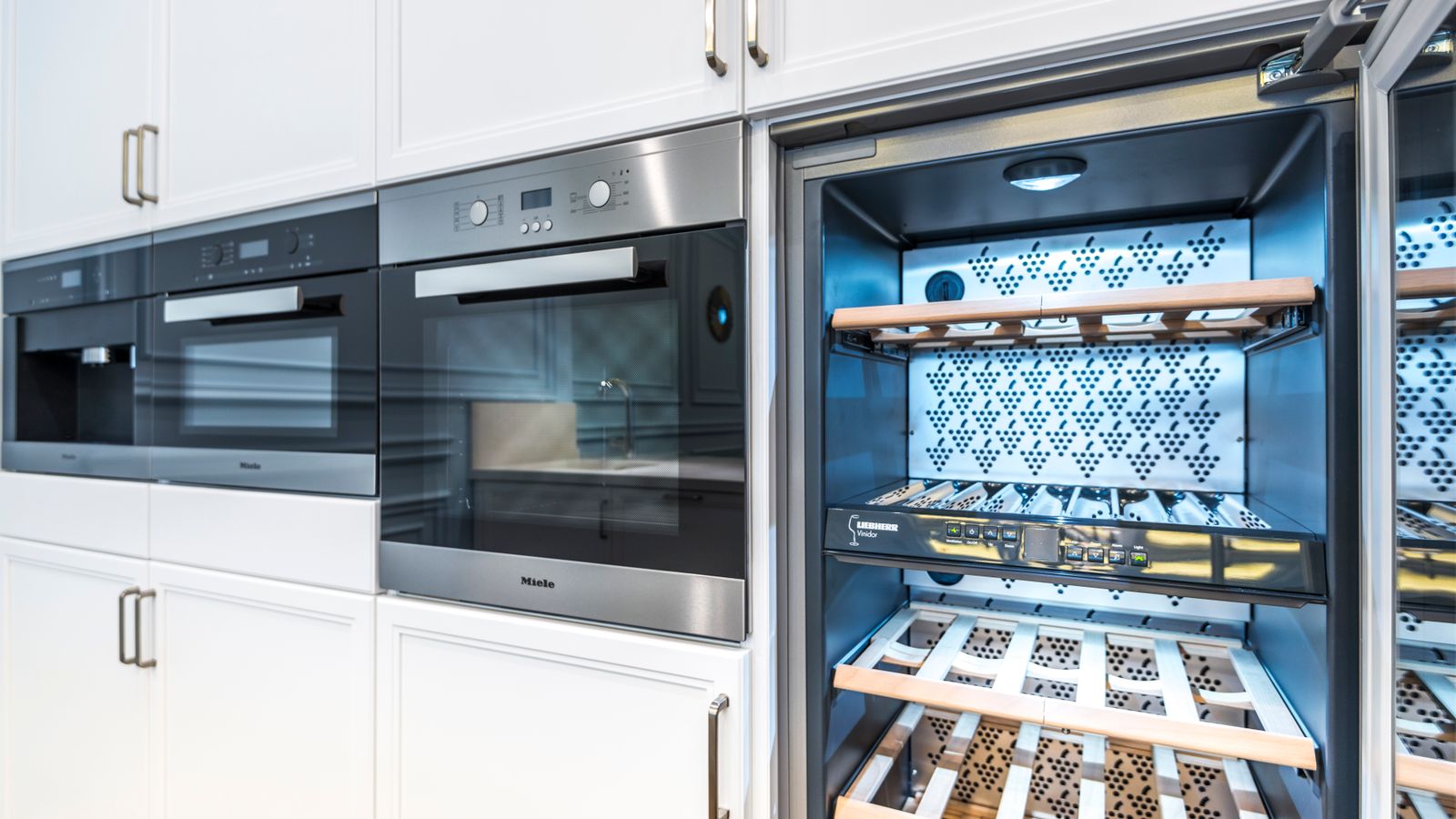
Once overlaps are trimmed, focus your remaining budget on one or two anchor appliances that do more work per cubic foot. A well-specified single wall oven with convection, steam-assist, and a keep-warm mode can anchor an entire cooking routine that used to require three separate units. If you regularly host large gatherings and truly need double-oven capacity, a double wall oven that stacks two full ovens in one footprint is usually more space-efficient than a single oven plus a separate second oven or warming drawer elsewhere in the kitchen.
When comparing options, look closely at capacity in cubic feet, the number of rack positions, and whether the unit includes both convection and a moisture-injection or steam-assist mode – these three specs tell you more about real-world versatility than the marketing copy on the box. You can compare current models and read detailed specs in our roundup of single wall ovens if a single, do-it-all oven is the direction you’re leaning, or our guide to best double wall ovens if your household genuinely needs two full ovens running at once.
Step 5: Decide What Genuinely Needs to Stay Separate
Downsizing doesn’t mean cutting every specialty appliance. Some functions are worth keeping as dedicated units because a combined appliance compromises them too much. A few examples:
- Dedicated warming ovens still make sense for households that host large sit-down dinners regularly, since holding multiple dishes at serving temperature without drying them out is genuinely hard to replicate with an oven’s keep-warm setting alone.
- Cooktop and oven separation is worth keeping if your kitchen layout benefits from spreading heat sources apart, either for ventilation reasons or to let two cooks work at once.
- A dedicated microwave is worth keeping if reheating speed matters more than oven-quality results for weekday lunches.
If entertaining and holding food at the right temperature for guests is a real, recurring need in your household, it’s worth browsing warming ovens designed specifically for that job rather than trying to stretch a primary oven’s keep-warm cycle to cover it.
Step 6: Re-Check the Layout and Electrical Plan
Every appliance you cut frees up more than counter space – it frees up amperage, venting runs, and cabinet openings that can be reallocated. Before finalizing your downsized list, walk the layout again with your contractor or kitchen designer and confirm:
- Which circuits are still needed versus which can be repurposed for lighting, outlets, or a pantry appliance garage.
- Whether removing a second oven or warming drawer changes cabinet box sizing enough to simplify the millwork order.
- Whether the freed-up footprint is better used for storage, prep counter space, or a slightly larger single appliance with more capacity.
This step is easy to skip when you’re excited about a shorter appliance list, but it’s where the real savings and functional upgrades show up – a wider prep zone or extra drawer storage often gets used far more than the appliance it replaced ever did.
Common Mistakes to Avoid
- Cutting based on price alone. The cheapest appliance to remove isn’t always the least-used one. Base cuts on your usage audit, not the line-item cost.
- Assuming a combination appliance performs identically to two separate units. A microwave-convection combo bakes reasonably well, but it won’t fully match a dedicated wall oven’s even heat distribution for large batches.
- Forgetting resale expectations. If you plan to sell within a few years, check what buyers in your market typically expect – a completely missing second oven can be a sticking point in some regions even if your household never used one.
- Downsizing after the electrical rough-in. Make appliance decisions before circuits and venting are finalized; changing your mind afterward is expensive.
- Ignoring capacity when consolidating. If you’re merging two appliances’ functions into one, make sure the replacement’s interior capacity is actually large enough for your biggest regular cooking task, like a holiday turkey or a full sheet pan of cookies.
Safety and Installation Notes
When consolidating appliances, don’t assume the existing electrical circuit for a removed unit is safe to repurpose without inspection – wall ovens and warming drawers often run on dedicated high-amperage circuits that need to be evaluated by a licensed electrician before being reassigned to lighting or small appliances. Similarly, if you’re removing a second oven that shared a vent run with your range hood, have your installer confirm the remaining appliance’s venting still meets code on its own. Never skip a final walkthrough with your contractor to confirm every remaining appliance has proper clearance, its own circuit where required, and manufacturer-specified spacing from cabinetry.
A Simple Framework to Finalize Your List
If you’re still unsure where to land, run your shortlist through these four questions for each appliance:
- Did my usage audit show this gets used at least weekly?
- Does it cover a function no other appliance on my list handles adequately?
- Does keeping it require electrical or venting work I’d otherwise eliminate?
- Would I miss it enough to regret cutting it a year from now?
Appliances that get a “no” on the first two questions are strong candidates to cut. Appliances that get a “yes” on the third and fourth are worth keeping even if they add cost, because the regret of losing genuine daily function outweighs the short-term savings.
FAQ
How many major cooking appliances does a typical downsized kitchen need?
Most households function well with a cooktop, one primary oven, and a microwave. Larger households or frequent entertainers may add a second oven or a warming appliance, but three to four total units usually covers real needs without redundancy.
Will downsizing my appliance lineup hurt resale value?
It depends on your market. In areas where double ovens are an expected standard, removing one entirely could be a minor drawback. Ask a local real estate agent or your kitchen designer what buyers in your specific neighborhood typically expect before finalizing cuts.
Should I downsize before or after choosing my cabinet layout?
Before. Cabinet openings, electrical rough-ins, and venting are all sized around your final appliance list, so finalizing the lineup first prevents costly change orders later in the renovation.
Can a single wall oven really replace a warming drawer?
For everyday use, yes – most single wall ovens include a keep-warm setting that holds food at serving temperature for an hour or two. For households that regularly host multi-dish dinners for a long stretch of time, a dedicated warming appliance still performs better.
What’s the easiest way to start if I feel overwhelmed by the appliance list?
Start with the one-to-two-week usage audit in Step 1. Once you can see which appliances are used daily versus rarely, the rest of the decisions become much more straightforward.