If your kitchen counter is more of a suggestion than an actual workspace, you already know the struggle of stocking cleaning supplies without losing the little storage you have. Microwave cleaning wipes are one of the easiest ways to keep your appliance spotless, but not every tub or pack is built with tight cabinets, narrow drawers, or apartment-sized kitchens in mind. Picking the right wipe for a small space means balancing container size, cleaning power, and how often you’ll actually reach for it. This guide walks you through exactly what to look for, how to test a wipe before committing to a full pack, and how to keep your small-kitchen cleaning routine simple and clutter-free.
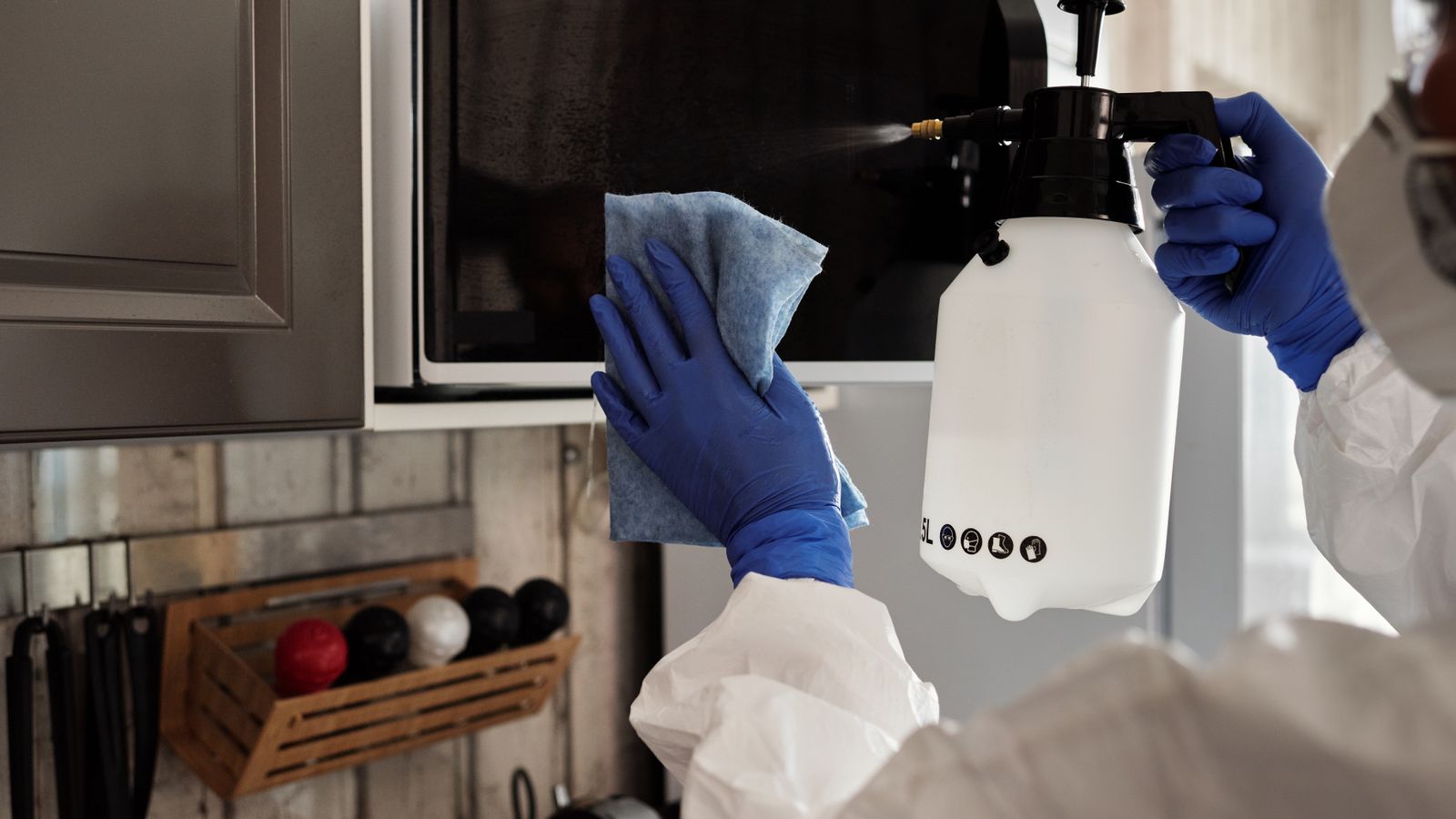
Why Microwave Wipes Matter More in Small Kitchens
In a small kitchen, every cleaning product pulls double duty. You don’t have room for a dedicated shelf of sprays, scrub brushes, and specialty cleaners for every appliance. A good microwave cleaning wipe replaces several of those tools at once: it degreases splattered sauce, lifts dried-on food, and deodorizes the interior, all from one compact, resealable pack. Because microwaves in small kitchens tend to double as reheating stations for quick meals, they also tend to get dirtier faster – which makes an efficient, always-ready wipe even more valuable than in a larger household with more counter space and more storage options.
The goal isn’t just finding a wipe that cleans well. It’s finding one that fits your actual living situation – a pack that tucks into a drawer, sits flat on a shelf, or hangs on the inside of a cabinet door without taking over your limited square footage.
Step 1: Measure Your Storage Space Before You Shop
Before comparing brands or scent options, take thirty seconds to measure the space where the wipes will actually live. Open the drawer, cabinet, or shelf you plan to use and note the height, depth, and width available. This single step eliminates most of the frustration people run into after buying a bulky canister that simply doesn’t fit anywhere convenient.
- Under-sink cabinets often have odd, shallow shelves – a flat, flexible pouch works better than a rigid tub.
- Narrow drawers next to the stove favor slim, rectangular packs over round canisters.
- Open shelving benefits from a container with an attractive, non-bulky design since it will be visible.
Once you know your real constraints, you can shop with a tape-measure mindset instead of guessing and returning products that don’t fit.
Step 2: Compare Container Types
Microwave wipes generally come in three container styles, and each has trade-offs worth knowing before you buy.
Flip-Top Canisters
These are the classic cylindrical tubs you see with most wet wipe products. They’re sturdy and keep wipes moist for a long time, but they take up more vertical space than flatter alternatives – not ideal if your storage area is shallow.
Flat Resealable Pouches
Pouches lie flat and can be tucked into narrow gaps, hung on a hook, or stacked on top of each other. They’re the best choice for tight drawers or door-mounted organizers, though they can be slightly less rigid to grab a wipe from one-handed.
Travel-Size or Single-Use Packets
Individually wrapped wipes take up almost no permanent storage space and are great for renters or anyone who wants zero commitment to a bulky container. The trade-off is more packaging waste and a slightly higher cost per wipe.
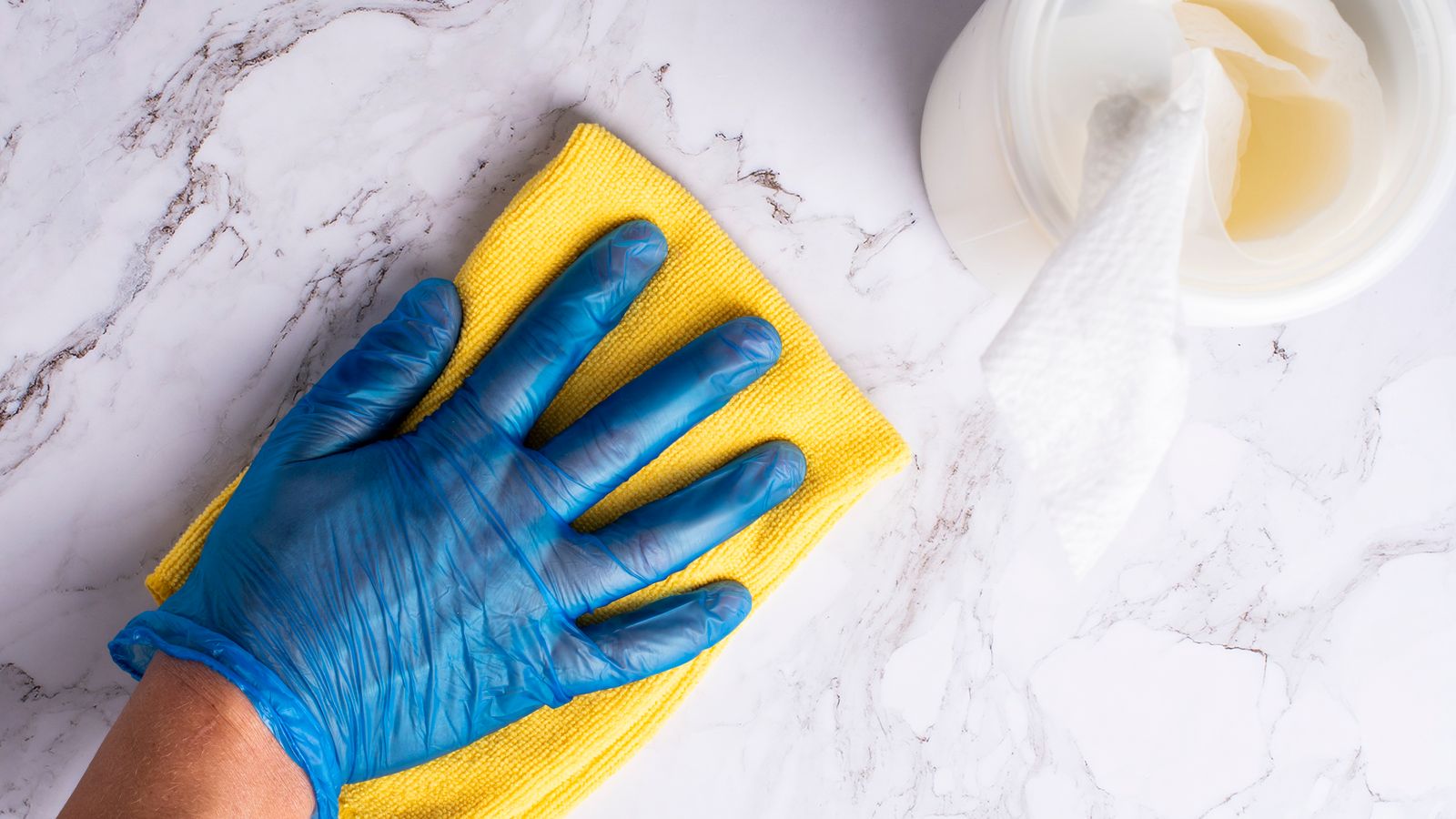
Step 3: Check the Cleaning Formula
Container size matters, but the wipe still has to do its job. Look at the label for these details before buying:
- Degreasing power. Microwave splatters are often oily or sauce-based, so a formula labeled for grease-cutting will outperform a basic all-purpose wipe.
- Streak-free finish. Since microwave interiors are lit and glossy, streaky residue is very noticeable – choose wipes marketed as streak-free or ammonia-free for the cleanest look.
- Food-safe or rinse-free claims. Because a microwave interior touches food indirectly through steam and splatter, a wipe labeled safe for food-contact surfaces (or one you rinse after use) is the safer choice.
- Scent strength. Small kitchens have less air circulation, so a heavily fragranced wipe can linger longer than expected. Unscented or lightly scented options are usually more comfortable in tight spaces.
Step 4: Think About Wipe Size and Texture
A too-large wipe is awkward to maneuver inside a microwave’s turntable and corners, while a too-small wipe means using several per cleaning session. Look for wipes described as “multi-surface” or “appliance-sized,” which tend to strike a good middle ground – big enough to cover the interior in a few swipes, small enough to fold and reach tight corners around the door seal and turntable edge.
Texture matters too. A slightly textured wipe helps lift baked-on food without needing to scrub, while a smooth, thin wipe is better suited for quick daily wipe-downs rather than deeper cleaning.
Step 5: Test Before You Commit to a Bulk Pack
It’s tempting to buy the largest multi-pack for the best per-wipe price, but in a small kitchen, that can mean months of stored inventory taking up valuable space. Instead, start with a single standard-size pack. Use it for two or three weeks and evaluate:
- Did the container fit comfortably where you store it?
- Did the wipes stay moist enough by the last few in the pack?
- Did the formula actually cut through grease without extra scrubbing?
If a pack checks all three boxes, then buying in bulk makes sense. If not, you’ve only committed to one small container instead of a bulk case that’s hard to return.
Common Mistakes to Avoid
- Buying based on brand alone. Popular brands don’t always make the smallest or most storage-friendly packaging – compare dimensions, not just reputation.
- Ignoring the reseal mechanism. A weak seal dries out wipes fast, leading to waste and a scratchy, less effective cloth.
- Overbuying scented variety packs. Multiple scents crammed into a small kitchen can clash and overwhelm a compact space.
- Skipping the label for chemical safety. Always check that the wipe is safe for painted interior surfaces and won’t damage the microwave’s coating.
Safety Notes When Cleaning a Microwave
Always unplug the microwave or make sure it’s powered off before wiping down the interior, especially around the door seal and control panel. Avoid saturating the wipe near vents or electronic buttons, and let the interior air-dry for a few minutes with the door open before running the microwave again. If you use a stronger degreasing wipe, a quick follow-up wipe with a damp cloth helps remove any residue before reheating food.
Where to Store Your Wipes for Easy Access
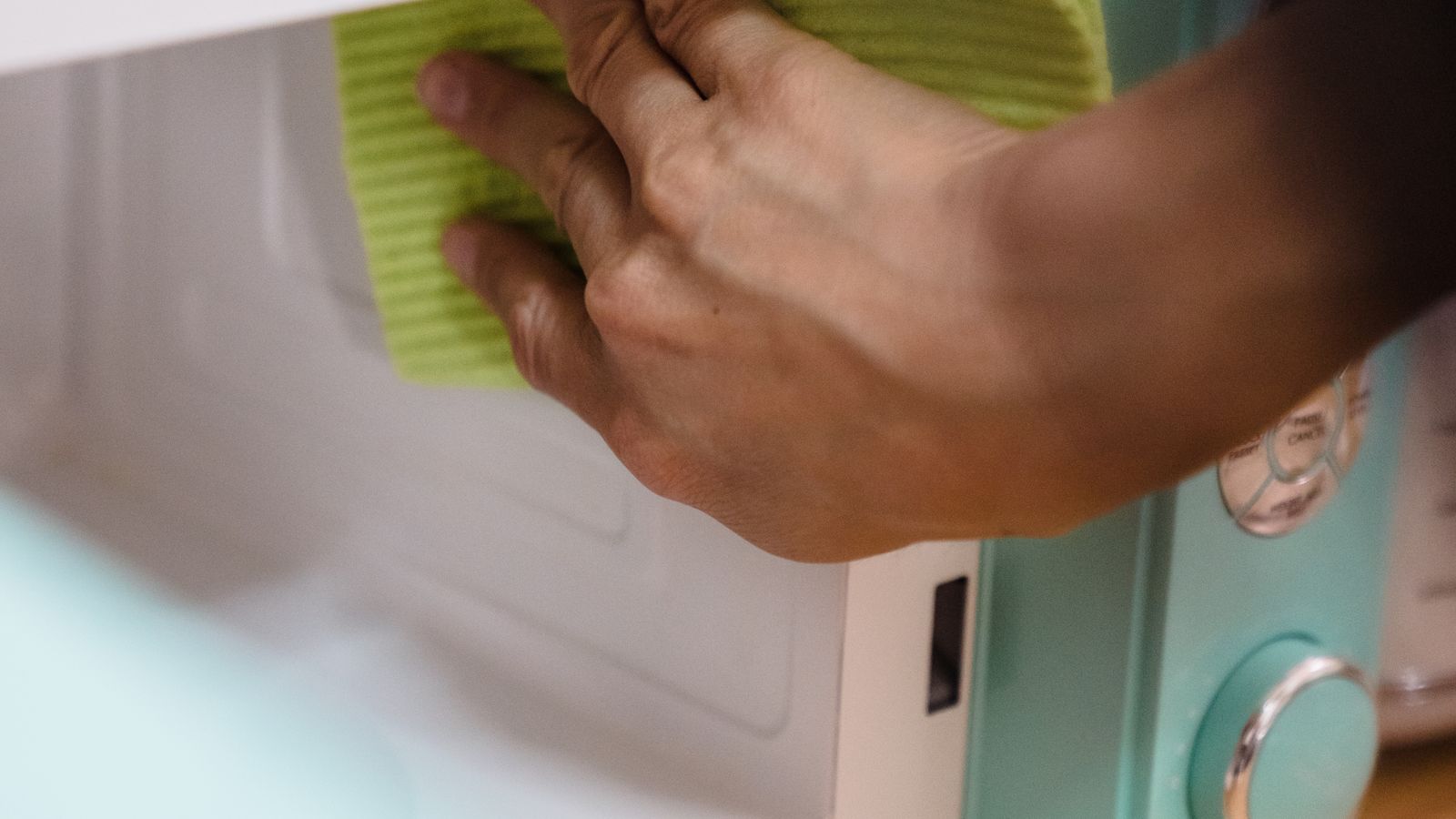
Once you’ve chosen a compact, well-fitting wipe container, place it somewhere you’ll actually use it. A common mistake in small kitchens is stashing cleaning supplies far from the microwave itself, which makes quick clean-ups feel like a chore. Consider mounting a small adhesive hook inside the cabinet nearest the microwave, or dedicating one narrow drawer specifically to appliance care. Keeping the wipes within arm’s reach of the microwave means you’re far more likely to wipe up a spill immediately instead of letting it bake on for another use.
If you’re building out a broader appliance-cleaning kit for your kitchen, it also helps to compare full product lineups rather than relying on a single pack. You can browse a curated list of microwave cleaning wipes to see which formulas and container styles best match your storage constraints and cleaning habits.
Pairing Wipes With Other Kitchen Cleaners
Microwave wipes handle daily upkeep well, but they’re not a replacement for deeper appliance cleaning. If your oven has heavier baked-on residue, a dedicated formula from a list of oven cleaners will cut through buildup more effectively than an all-purpose wipe. Similarly, if odors are coming from your sink rather than your microwave, checking out the best garbage disposal cleaners can solve that separately instead of relying on the wrong tool for the job.
Frequently Asked Questions
How often should I wipe down my microwave?
For most households, a quick wipe after any visible spill plus one thorough wipe-down per week keeps the interior in good shape and prevents odors from building up.
Can I use disinfecting wipes instead of microwave-specific wipes?
General disinfecting wipes can work in a pinch, but many contain chemicals not intended for food-adjacent surfaces. Look for wipes labeled safe for kitchen or food-contact areas whenever possible.
Do microwave wipes work on baked-on food?
They work best on fresh or lightly dried spills. For heavily baked-on messes, steam the interior first with a bowl of water microwaved for a couple of minutes, then follow up with a wipe to lift the loosened residue.
What’s the most space-efficient container style?
Flat resealable pouches are generally the most space-efficient, since they can be stored vertically in narrow gaps or hung inside a cabinet door.
Are unscented wipes better for small kitchens?
Often, yes. Small kitchens have less airflow, so strong fragrances can linger. Unscented or lightly scented wipes are usually more pleasant in compact spaces.
Final Thoughts
Choosing the best microwave cleaning wipe for a small space comes down to matching the container to your actual storage, checking the formula for real cleaning power, and testing before buying in bulk. A wipe that fits neatly into a drawer and tackles grease without streaking will make quick clean-ups feel effortless rather than like one more thing crowding your kitchen. With the right pick in place – and a plan for storing it close to the microwave – you’ll keep your small kitchen looking (and smelling) its best with minimal extra clutter.