Small dining nooks, apartment kitchen tables, and compact breakfast bars all share the same problem: standard placemats often look bulky, hang off the edges, or make the table feel even more cramped. Picking the right placemat for a small space is not just about style, it is about proportion, texture, and how the mat plays with the limited surface area you actually have. This guide walks you through exactly how to choose placemats that make a small table feel organized, intentional, and even more spacious than it is.

Why Placemat Choice Matters More in Small Spaces
In a larger dining room, a slightly oversized or heavily patterned placemat gets visually absorbed by the rest of the room. On a small table, every inch is on display. The wrong placemat can make a compact table look cluttered, while the right one can create the illusion of more room, define individual seating zones, and tie the whole tablescape together. Because small tables are often multi-purpose (used for eating, working, and setting down keys or mail), the placemat also needs to be practical: easy to wipe down, easy to stack, and easy to store when the table needs to be cleared for another task.
Step 1: Measure Your Table and Seating Zones First
Before you shop, measure your table’s width and the space allotted per seat. Most people need at least 20 inches of width per place setting to avoid feeling elbow-to-elbow, but small tables often only offer 16 to 18 inches. Once you know your per-seat width, subtract 2 to 3 inches of breathing room on each side. That final number is your maximum placemat width.
- Measure the total table width and length.
- Divide by the number of seats to find the width available per person.
- Subtract 2-3 inches for visual breathing room between settings.
- Write down the resulting maximum placemat dimensions before you start browsing.
This single step prevents the most common small-space mistake: buying a placemat sized for a standard dining table and then wondering why it hangs off the edge or crowds the next setting.
Step 2: Choose the Right Shape for Your Table
Shape has a bigger visual impact on small surfaces than most people expect.
Round or Oval Tables
Round placemats echo the shape of the table and reduce visual competition between straight edges and curved edges. On a small round table, a slightly smaller round mat (rather than a rectangular one) keeps the eye moving smoothly around the surface instead of stopping at hard corners.
Square or Rectangular Tables
For small square or rectangular tables, a rectangular placemat with a slim profile works best. Avoid mats that are nearly as wide as the table itself; leaving at least an inch of bare wood or table surface visible on each side keeps the table from feeling boxed in.
Irregular or Multi-Use Tables
If your table doubles as a desk, console, or bar cart surface, consider a placemat that can be picked up and stacked in seconds, such as a thin woven or cork mat rather than a rigid charger-style mat that takes up drawer space.
Step 3: Pick a Size That Leaves Breathing Room
As a general rule, small-space placemats should sit in the 12 x 16 inch to 13 x 18 inch range, noticeably smaller than the standard 14 x 20 inch size found in many big-box sets. A smaller mat still anchors a plate, glass, and utensils, but it leaves visible table surface around the edges, which reads as more open space to the eye. If you regularly host more people than your table comfortably seats, downsizing the placemat is often the easiest way to squeeze in one more setting without buying new furniture.
Step 4: Match Material to How the Space Gets Used
Small tables tend to get used harder and cleaned more often than large formal dining tables, so material matters as much as size.
- Woven vinyl or PVC: Wipes clean instantly, resists water rings, and is thin enough to stack without taking up much storage space.
- Cork or bamboo: Naturally heat-resistant and lightweight, good for small kitchen tables used for both meals and quick tasks.
- Cotton or linen: Soft and breathable, but requires more frequent washing and does not hide crumbs or spills as well in a high-traffic small space.
- Silicone: Extremely easy to clean and slightly grippy, which helps keep plates from sliding on a small, often-bumped table.
If the table is used daily for meals in a tight apartment kitchen, prioritize a wipeable material. If it is mostly for occasional dinners in a small dining nook, a fabric option can add warmth without much downside.

Step 5: Use Color and Pattern to Expand the Space Visually
Light, neutral tones (cream, soft gray, light wood tones) tend to make a small table feel larger because they blend with the surrounding surface instead of interrupting it. If you want more personality, choose a subtle texture or a fine pattern rather than a large, bold print. Big graphic patterns can visually shrink a small table by drawing the eye to hard edges and busy detail rather than letting the space feel open.
A simple trick: match the placemat tone closely to your tabletop or your flooring. When the mat and the surface beneath it are close in color, the eye reads them as one continuous plane, which makes the whole area feel less cluttered.
Step 6: Coordinate With the Rest of the Table Setting
On a small table, every accessory competes for the same limited visual space, so coordination matters. Keep the centerpiece minimal, a single small vase or a compact arrangement works better than anything tall or wide. If you like adding greenery without the maintenance, low-profile faux flowers are a practical option since they do not need water and can be trimmed short enough to sit comfortably between place settings without blocking sightlines across the table.
Small serving pieces also help. A shallow dish or two of condiments in decorative bowls sized for a compact table adds function without crowding the surface, especially compared to full-sized serving platters that overwhelm a small footprint.
Common Mistakes to Avoid
- Buying standard-size sets without measuring first. Most retail placemat sets are sized for average tables, not compact ones.
- Choosing thick, rigid mats. These are harder to stack and store, which matters a lot when the table needs to be cleared quickly.
- Overmatching everything. An identical placemat, napkin, and runner in the same bold pattern can make a small table feel busier, not tidier.
- Ignoring maintenance. A beautiful linen mat that needs ironing after every wash is impractical for a table used daily.
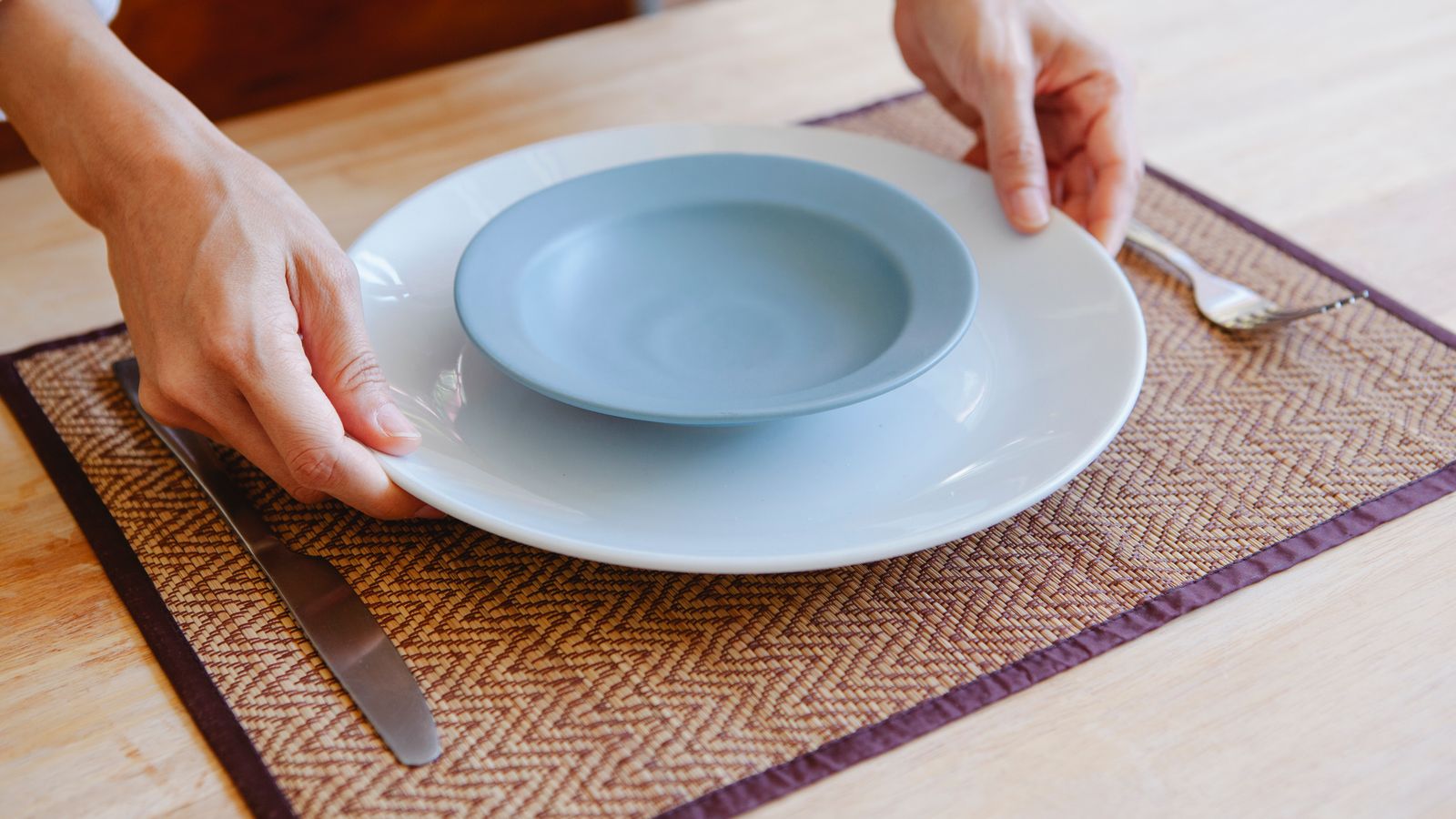
- Skipping a trial layout. Set one placemat down with a plate and utensils before buying a full set, to confirm there is still visible space around the edges.
Quick Buyer’s Checklist
- Measured the table width per seat and subtracted breathing room.
- Chosen a shape that echoes the table (round for round, rectangular for square).
- Selected a size in the smaller 12 x 16 to 13 x 18 inch range.
- Picked a wipeable or low-maintenance material suited to daily use.
- Chosen a light, neutral tone or subtle pattern rather than a bold print.
- Kept centerpieces and accessories minimal and appropriately scaled.
Where to Start Shopping
Once you know your ideal size, shape, and material, browsing becomes much faster because you can filter out anything that will not actually fit your table. For a broad range of styles, sizes, and materials to compare side by side, take a look at this roundup of placemats suited to different table types and budgets, and use the measurements from Step 1 to narrow the list down before you buy.
Frequently Asked Questions
What is the best placemat size for a small table?
For most compact tables, a placemat in the 12 x 16 inch to 13 x 18 inch range works best. It is large enough to anchor a plate and utensils while still leaving visible table surface around the edges.
Should I use round or rectangular placemats on a small table?
Match the placemat shape to the table shape. Round or oval tables look best with round mats, while square or rectangular tables generally look tidier with slim rectangular mats.
What material is easiest to maintain for daily use?
Woven vinyl, silicone, and cork mats are the easiest to wipe clean and store, making them ideal for small tables used for meals multiple times a day.
Can placemats actually make a small table look bigger?
Yes. Choosing a smaller mat size, a neutral color close to the tabletop tone, and a simple pattern all help the table read as more open and less cluttered.
How many placemats do I need for a small table?
Buy one per seat, plus one extra if you occasionally host additional guests. Thin, stackable materials make it easy to store a couple of spares without taking up drawer space.
Do placemats work on a table that doubles as a workspace?
Yes, as long as you pick a thin, easy-to-stack material. Wipeable options like vinyl or silicone can be set down for meals and cleared away quickly when the table needs to switch back to a desk or workspace.