If you open your cleaning cabinet and see three half-used fabric sprays, two wood polishes, and a jumble of bottles you can’t remember buying, you are not alone. Most households end up with far more single-purpose cleaners than they actually need. The good news is that two well-chosen products — a quality fabric refresher and a dedicated wood cleaner — can replace a surprising number of niche sprays without sacrificing results. This guide walks through how to simplify your cleaning supply cabinet around these two workhorses, step by step.
Why Consolidate Your Cleaning Cabinet
Every extra bottle in a cleaning cabinet costs you three things: shelf space, money, and decision fatigue. Standing in front of eight bottles trying to remember which one is safe for upholstery versus which one is meant for carpets slows down routine cleaning and increases the odds you grab the wrong product. Consolidating around two versatile, well-formulated products means less clutter, fewer expired bottles thrown away every year, and a cleaning routine you can actually remember without reading labels each time.
Fabric refresher and wood cleaner are a natural pairing because together they cover most of the “quick touch-up” cleaning that happens outside of deep cleaning day: soft surfaces (upholstery, curtains, car interiors, closets) and hard wood surfaces (furniture, cabinets, floors, trim). Once you understand what each product is actually built to do, it becomes much easier to see which of your other bottles are redundant.
What to Prepare Before You Start
Before you start clearing out the cabinet, gather what you need so the process takes one afternoon instead of dragging on for weeks:
- A quality fabric refresher spray (fragrance-based or odor-neutralizing, depending on preference)
- A dedicated wood cleaner or wood cleaner-and-polish combination
- A few microfiber cloths, kept separate for fabric versus wood use
- A cardboard box or bag for products you are donating or discarding
- A trash bag for anything expired, empty, or unsafe to keep
- A permanent marker to relabel any bottle you decide to keep and repurpose
If you are unsure which fabric refresher fits your household best, our roundup of Fabric Refreshers is a useful reference before you buy, since formulas vary in scent strength, fabric safety, and how well they handle pet odor versus general staleness.
Step 1: Empty and Sort the Cabinet
Take everything out of the cabinet at once. It is much easier to see duplicates and redundancies when every bottle is lined up on a counter rather than tucked behind each other on a shelf. Sort into three rough piles:
- Keep as-is — specialized products with no real substitute, such as glass cleaner, disinfectant, or a specific stain remover you use often.
- Replace with fabric refresher or wood cleaner — anything whose main job is to freshen soft surfaces or clean/condition wood.
- Discard — expired, nearly empty, or duplicate products you forgot you owned.
Most households find that the “replace” pile is larger than expected. Upholstery sprays, single-use car interior fresheners, closet deodorizers, and some carpet sprays can typically all be handled by one good fabric refresher. Furniture polish, cabinet cleaner, and wood floor spot-cleaners often overlap heavily with a single wood cleaner formulated for multiple wood surfaces.
Step 2: Test the Fabric Refresher Across Surfaces
Before you commit to retiring several bottles, confirm your chosen fabric refresher actually performs across the surfaces those other products covered. Spot-test on an inconspicuous area of each fabric type you plan to use it on — upholstery, curtains, car seats, closet fabric, and any delicate materials.
- Spray a small, hidden area and let it dry fully.
- Check for discoloration, water spots, or texture changes.
- If it passes, use it as your default for that fabric type going forward.
- If a specific fabric fails the test (some delicate silks or leathers need dedicated care), keep one specialty product for that exception and let the fabric refresher handle everything else.
Most fabric refreshers on the market today are formulated to be safe on a wide range of textiles, which is exactly why they can absorb so many of the narrower single-purpose sprays sitting in a typical cabinet.
Step 3: Confirm the Wood Cleaner Handles Your Furniture and Floors
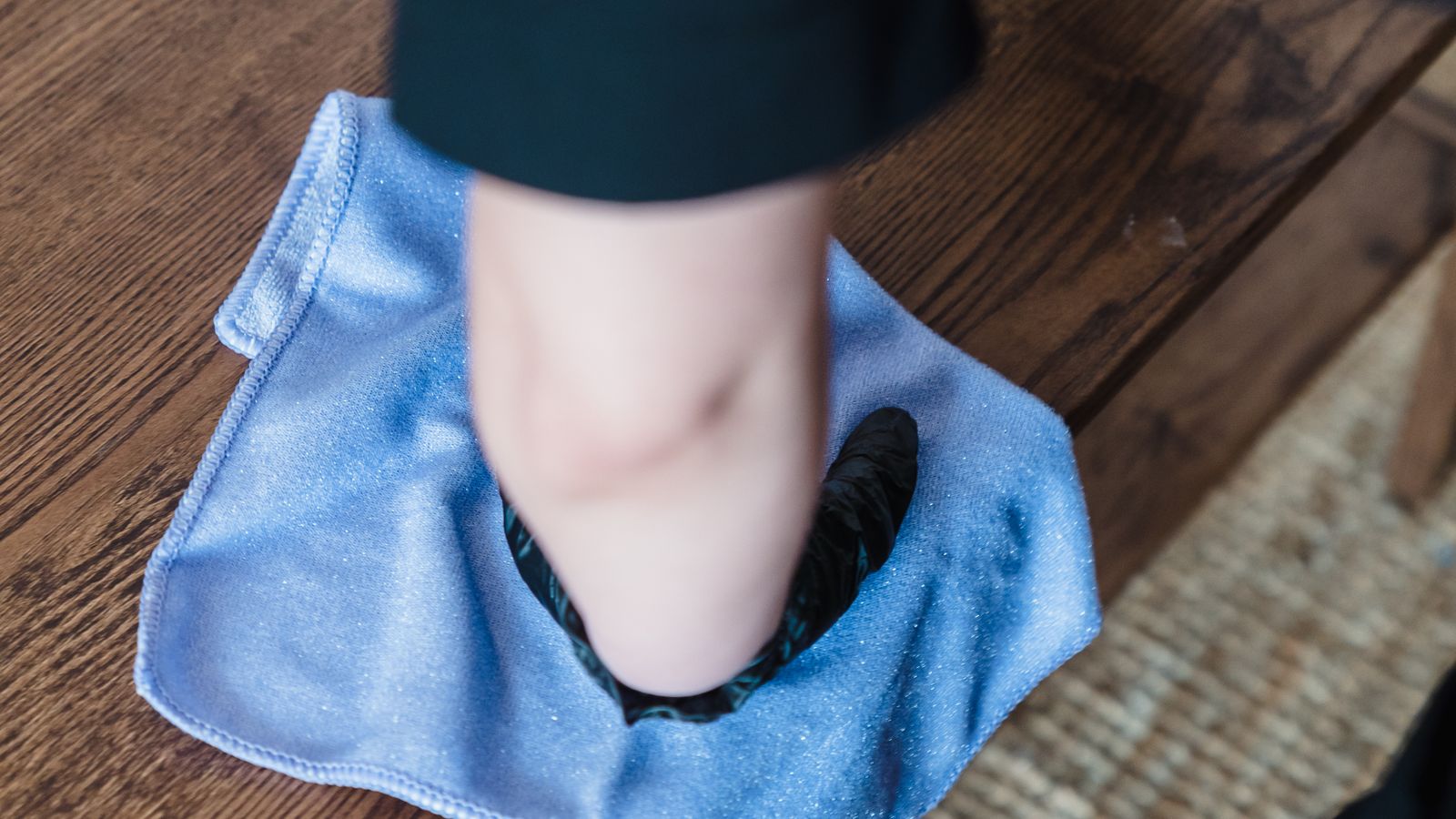
Wood surfaces vary more than most people expect — sealed versus unsealed, oiled versus lacquered, engineered flooring versus solid hardwood. A general-purpose wood cleaner usually handles sealed and finished wood well, which covers the vast majority of household furniture, cabinets, and trim. Before retiring your other wood-specific bottles, run through this quick check:
- Read the label to confirm it is safe for both furniture and flooring, if you plan to use it for both.
- Test on a small, hidden section of your most-used wood piece first.
- Wipe with the grain using a soft microfiber cloth rather than a rough rag, which can scratch finished surfaces.
- Avoid soaking unsealed or antique wood pieces — a light mist and immediate wipe is safer than a heavy spray.
If your wood cleaner passes on your main furniture and flooring, you can typically retire separate cabinet polish, single-purpose dusting sprays, and wood floor cleaners without losing quality of results. For a closer look at formulas designed to handle multiple wood finishes safely, browse our guide to wood cleaners.
Step 4: Reorganize the Cabinet Around Two Categories
Once you have settled on your fabric refresher and wood cleaner, reorganize the cabinet into just two or three functional zones instead of a dozen scattered bottles:
- Fabric zone — the fabric refresher, a dedicated cloth or two, and any single specialty fabric product you kept.
- Wood zone — the wood cleaner, microfiber cloths reserved only for wood (never cross-use with fabric cloths, since residue transfers), and any wood-specific tools like a soft brush.
- Everything else — the smaller pile of true specialty products you decided to keep (glass cleaner, disinfectant, stain remover, etc.).
Label the shelf or bin for each zone. A cabinet organized by function rather than by brand or bottle shape is dramatically faster to use, especially for anyone else in the household who needs to find a cleaner without asking where it is.
Step 5: Set a Simple Restocking Rule
The easiest way to prevent your cabinet from creeping back up to a dozen bottles is to set a rule before you restock: no new single-purpose product gets added unless it truly cannot be replaced by what you already own. When a fabric refresher or wood cleaner runs low, replace it with the same or a comparable product rather than grabbing whatever niche spray is on sale. This single habit is what keeps a simplified cabinet simplified six months later instead of slowly refilling with duplicates.
Common Mistakes to Avoid
- Skipping the spot test. Assuming a fabric refresher or wood cleaner is safe for every surface without testing can lead to discoloration or damage on delicate materials.
- Using the same cloth for fabric and wood. Residue from wood cleaner can leave marks on upholstery, and vice versa — keep cloths separated by zone.
- Over-spraying wood surfaces. A light, even mist is almost always enough; heavy application can leave streaks or damage unsealed wood over time.
- Discarding a genuinely necessary specialty product. Consolidation should reduce clutter, not force you to use the wrong tool for a surface that truly needs something different.
- Forgetting to relabel repurposed spray bottles. If you decant into a reusable bottle, always label it clearly to avoid mix-ups later.
When You Might Still Need Extra Products
Simplifying does not mean going down to zero specialty items. Households with pets, high-traffic entryways, or antique wood furniture may still benefit from a couple of targeted products alongside the fabric refresher and wood cleaner. If your cabinet also handles recycling and sorted waste, a dedicated sorting system can keep that clutter separate from your cleaning supplies entirely — see our picks for best recycling sorters if that is part of your broader cabinet or utility closet organization.
Maintaining the Simplified System
Once your cabinet is down to its core products, a quick monthly check keeps it that way:
- Wipe down bottle exteriors so labels stay legible and residue does not build up on the shelf.
- Check fabric refresher and wood cleaner levels and reorder before you run out, rather than grabbing a substitute in a pinch.
- Do a fast scan for anything new that snuck back in and ask whether it duplicates a product you already have.
- Replace microfiber cloths when they start to look worn or discolored, since a dirty cloth can undo the benefit of a good cleaner.
Frequently Asked Questions
Can one fabric refresher really replace multiple sprays?
In most households, yes. General-purpose fabric refreshers are formulated to be safe across upholstery, curtains, car interiors, and closets. The main exception is genuinely delicate materials like silk or leather, which may still need a specialty product.
Is a wood cleaner safe for both furniture and floors?
Many are, but always check the label. Some formulas are floor-specific due to slip resistance requirements, while others are designed for furniture only. A dual-purpose wood cleaner will state clearly that it is safe for both.
How often should I use fabric refresher and wood cleaner?
Fabric refresher is typically used as needed, for quick freshening between deeper cleanings. Wood cleaner is generally used weekly to biweekly on high-touch surfaces like tables and cabinets, and less often on furniture that sees less daily contact.
What should I do with the products I remove from my cabinet?
If a product is unopened or barely used, consider donating it to a local shelter or community organization. Otherwise, dispose of it according to your local guidelines for household chemicals rather than pouring it down the drain.
Will simplifying my cabinet actually save money?
Yes, over time. Buying one versatile fabric refresher and one versatile wood cleaner, rather than several narrow-purpose sprays, typically costs less per year and reduces the number of half-used bottles that eventually get thrown away unused.
Final Thoughts
A cluttered cleaning cabinet is rarely a sign that you need more products — it is usually a sign that you have too many products doing the same job. By centering your routine on a reliable fabric refresher and a dependable wood cleaner, testing them across your actual surfaces, and setting a simple rule against re-cluttering, you can free up shelf space and simplify decision-making without giving up cleaning quality. Start with the sort-and-test process above, and within an afternoon your cabinet will be easier to use than it has been in years.