A busy, cluttered entryway or mantel doesn’t need a full renovation to feel calm again – sometimes the fastest fix is swapping a handful of mismatched knickknacks for one confident focal point. A well-chosen wreath paired with a few stems of faux flowers can simplify an entire room’s decor scheme, giving your eye one clear place to land instead of ten competing details. This guide walks you through exactly how to do that: picking the right wreath, selecting complementary faux flowers, and arranging both so your space feels intentional rather than overstuffed.
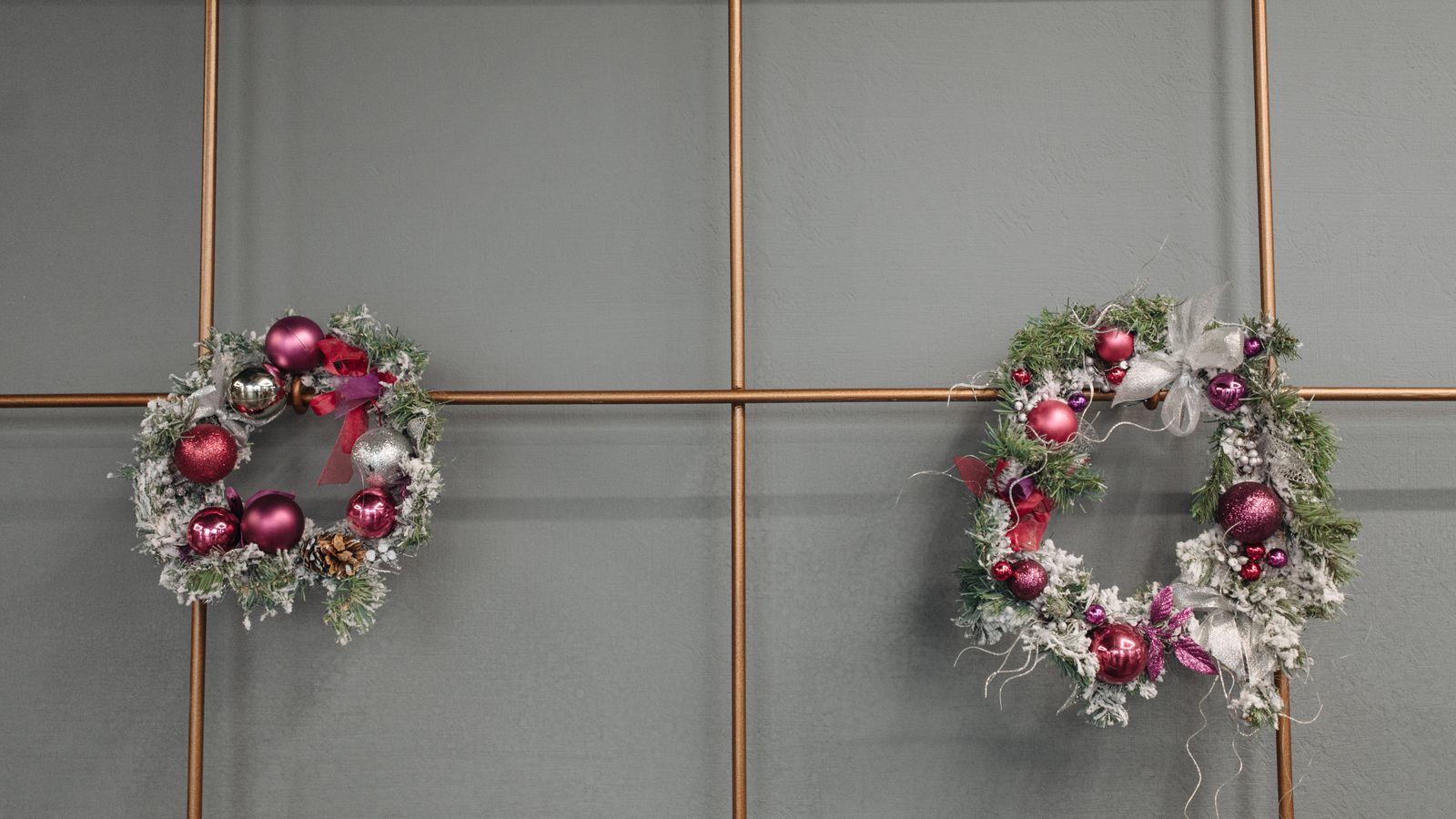
Why a Wreath and Faux Flowers Simplify a Decor Scheme
Most cluttered rooms aren’t actually full of ugly things – they’re full of too many good things competing for attention. A wreath solves this because it’s inherently self-contained: it has its own shape, its own boundary, and its own visual weight, so it reads as one object rather than a scattered collection. Faux flowers extend that same idea into vases, mantels, and shelves without the maintenance of fresh-cut stems.
When you commit to this pairing as your primary decorative statement, you naturally start removing the extra candles, frames, and figurines that were fighting for the same wall or tabletop. The result is a room that looks curated instead of merely full.
What You’ll Need Before You Start
- One wreath sized to its location (see sizing guidance below)
- A bundle or two of faux flower stems in a complementary color palette
- Wire cutters or sharp scissors for trimming stems
- A door hanger, adhesive hook, or ribbon for mounting the wreath
- A vase, urn, or tray to anchor the faux flower arrangement
- Floral foam or filler (optional, for a fuller vase arrangement)
If you don’t already own a wreath, browsing a curated roundup of wreaths is the fastest way to compare styles, materials, and price points before committing to one.
Step 1: Choose One Dominant Color Story
Before buying anything, decide on two or three colors that already exist somewhere else in the room – a throw pillow, a rug border, a painted trim. Your wreath and faux flowers should pull from that same palette rather than introduce a brand-new one. This single decision does more to “simplify” a space than any amount of decluttering, because it stops your eye from bouncing between unrelated colors.
Neutral, muted, or monochrome wreaths (olive, eucalyptus, dried-look, or soft pastel) tend to simplify a scheme faster than bright, multicolor wreaths, since they blend into the existing wall color instead of competing with it.
A Quick Way to Test a Palette
Hold a sample stem or a photo of the wreath up against the room from about six feet away. If it visually disappears into the wall or blends with nearby furniture at that distance, it will read as calm and cohesive once installed. If it jumps out immediately, the color is too far from the room’s existing palette.
Step 2: Size the Wreath to Its Location
A wreath that’s too small on a large door or above an oversized mantel looks like an afterthought, and one that’s too large on a narrow door overwhelms the space – both undermine the simplified look you’re going for.
- Front doors: a wreath roughly one-third to one-half the width of the door usually looks proportional.
- Mantels: center a mid-size wreath above the mantel, leaving breathing room on either side rather than filling the whole wall.
- Interior walls or mirrors: a smaller wreath works well layered over a round mirror for a single, unified focal point.
Step 3: Select Faux Flowers That Echo the Wreath
Once the wreath is chosen, pick faux flower stems that repeat at least one element of it – a similar color, a similar texture, or a similar level of “realism” (sleek and modern versus rustic and textured). Mixing a smooth, modern wreath with heavily textured dried-look florals can undercut the cohesive feel you’re building.
Stick to one or two flower varieties plus a filler stem (like small greenery or baby’s breath) rather than five different blooms. A simplified arrangement almost always uses fewer varieties, not more.
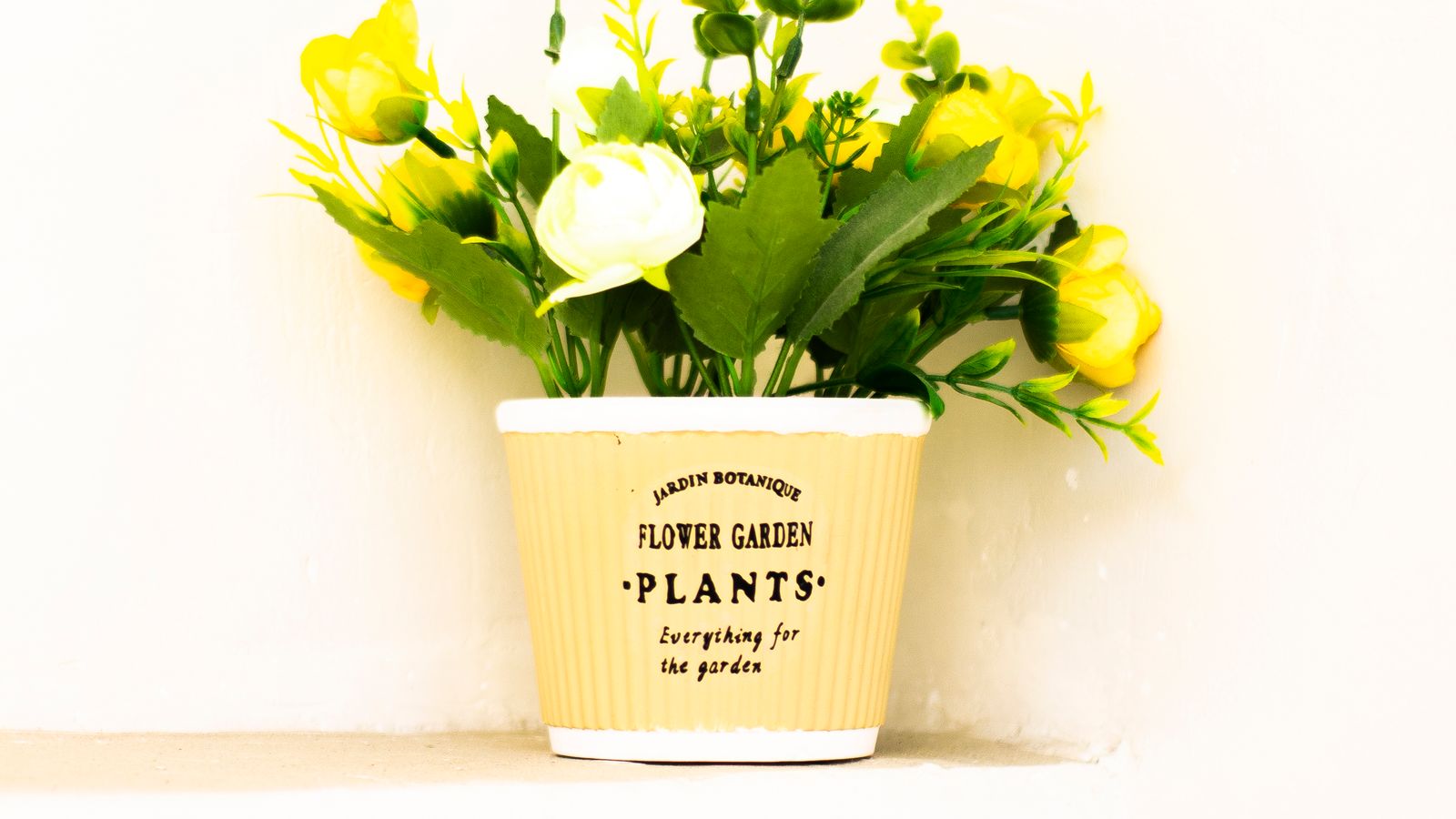
For a wide range of styles and price points to compare side by side, this list of faux flowers is a useful starting point when you’re narrowing down stems.
Step 4: Arrange the Faux Flowers with Restraint
- Trim stems to varying heights before placing them – uneven heights look more natural than a flat, uniform top.
- Start with your filler or greenery stems first to establish the shape of the arrangement.
- Add your primary flower stems next, placing them slightly off-center rather than dead-center for a more organic look.
- Step back and remove roughly one stem in five. Most first arrangements are more crowded than they need to be, and thinning it out is what actually makes it read as “simple.”
- Fluff faux petals and leaves by hand to remove the flat, packaged look they arrive in.
Step 5: Hang the Wreath Correctly
- Check the wreath’s back for a built-in hanger loop or ring.
- Use an over-the-door hook for front doors so you avoid drilling into the door itself.
- For interior walls, use a small adhesive hook rated for the wreath’s weight, or a nail if the wall allows it.
- Center the wreath at eye level or slightly above for the most balanced look, rather than defaulting to the exact middle of the door.
- Step back at least ten feet to confirm it’s level and properly centered before finalizing placement.
Step 6: Pair the Arrangement with a Simple Base
A vase of faux flowers looks far more intentional when it sits on something clean rather than directly on a cluttered surface. A single tray under a vase instantly organizes the tabletop and gives the arrangement a defined “home” instead of letting it float among other objects.
If you’re setting this up on an entry table, console, or coffee table, browsing a selection of best serving trays can help you find one sized correctly to anchor the vase without overwhelming the surface.

Safety and Care Notes
- Keep faux floral arrangements away from open flames, stovetops, and space heaters – many synthetic materials are flammable.
- If hanging a wreath outdoors, choose UV-resistant or all-weather materials so colors don’t fade quickly in direct sun.
- Dust wreaths and faux flowers every few weeks with a soft brush or a low setting on a hairdryer to keep them looking fresh.
- Use wall anchors rated for the actual weight of heavier wreaths (grapevine, dried, or metal-accented styles) rather than a light adhesive hook.
Common Mistakes to Avoid
- Choosing a wreath and flowers in unrelated color families. Even beautiful individual pieces will look chaotic together if the palettes don’t match.
- Overfilling the vase. More stems is not the same as more beautiful – thinning out an arrangement almost always improves it.
- Leaving other decor competing for the same space. The whole point of this approach is to let the wreath and flowers be the statement piece, so pull back other accessories nearby.
- Ignoring scale. A tiny wreath on a huge door, or an oversized arrangement on a small table, breaks the sense of proportion you’re trying to create.
- Skipping the “step back” test. Details that look fine up close can look messy from across the room – always evaluate from a normal viewing distance.
FAQ
How many faux flower stems do I need for one vase?
Most medium vases look balanced with 5 to 9 stems total, including filler greenery. Start with fewer than you think you need and add gradually, since it’s easier to add a stem than to remove one from a tightly packed arrangement.
Can I mix a wreath with real greenery instead of faux flowers?
Yes, but real greenery requires more upkeep and will eventually wilt or shed, which can undercut the low-maintenance simplicity this approach is built around. Faux flowers hold their look indefinitely and are easier to match to a specific color palette.
Should the wreath and the flower arrangement be in the same room?
They don’t have to be in the exact same room, but keeping them within the same color story across the home (entry wreath, living room vase, dining room accent) creates a more cohesive feel as you move from space to space.
How often should I replace faux flowers or a wreath?
Quality faux flowers and wreaths can last several years indoors with occasional dusting. Outdoor wreaths exposed to sun and weather typically need replacing sooner, often every one to two seasons, depending on material and exposure.
Final Thoughts
Simplifying a decor scheme isn’t about removing everything – it’s about choosing one confident, well-matched focal point and letting it do the work that a dozen smaller accents used to do. A single well-proportioned wreath paired with a restrained faux flower arrangement gives a room an anchor, a consistent color story, and a sense of calm that’s easy to maintain. Start with the color palette, keep the arrangement simpler than feels natural at first, and step back often – that’s usually all it takes to turn a cluttered corner into one you actually enjoy looking at.