A cluttered kitchen floor makes even a clean kitchen feel messy. Between a doormat at the entrance, an area rug under the sink or stove, and maybe a runner along the counter, it is easy to end up with too many mats fighting for attention instead of working together. Simplifying your kitchen floor setup with just a doormat and an area rug – chosen and placed with intention – gives you the comfort and protection you need without the visual noise.
This guide walks you through how to plan, choose, and arrange a doormat-and-rug combination that actually simplifies your kitchen, rather than adding one more thing to manage.
Why Simplify Your Kitchen Floor Setup?
Kitchens tend to accumulate floor coverings over time: a mat by the door, another by the sink, a runner near the stove, maybe a small accent rug someone bought on a whim. Each one might make sense on its own, but together they can clash in color, height, and cleaning schedule. Simplifying down to a doormat plus a single well-chosen area rug solves several problems at once.
- Fewer trip hazards. Multiple overlapping mats and rug edges are a common source of slips, especially in a room where you are often carrying hot dishes or full hands.
- Easier cleaning. Two mats are far quicker to shake out, vacuum, or wash than four or five scattered pieces.
- A calmer look. A single doormat and rug pairing, chosen to complement each other, reads as intentional design rather than clutter.
- Lower cost over time. Buying one quality doormat and one quality rug, and replacing them less often, usually costs less than constantly patching a floor with cheap extras.
Step 1: Assess Your Kitchen’s Traffic Zones
Before buying anything, walk through your kitchen and note where feet actually land most often. Most kitchens have two zones that matter for flooring: the entrance (from outside, a hallway, or a garage) and the primary work zone (sink, stove, prep counter).
You do not need to cover every square foot. The goal of simplifying is to protect only the zones that see real wear and to leave the rest of the floor open, which also makes the room feel larger.
Common traffic zones to evaluate
- The doorway or entry point where shoes, paws, or wet feet first touch the kitchen floor.
- The sink and dishwashing area, where standing time and water splashes are highest.
- The stove or prep counter, where you stand for extended cooking sessions.
For most kitchens, a doormat at the entrance and a single area rug in front of the sink or stove covers both problem zones without adding extra pieces.
Step 2: Choose the Right Doormat
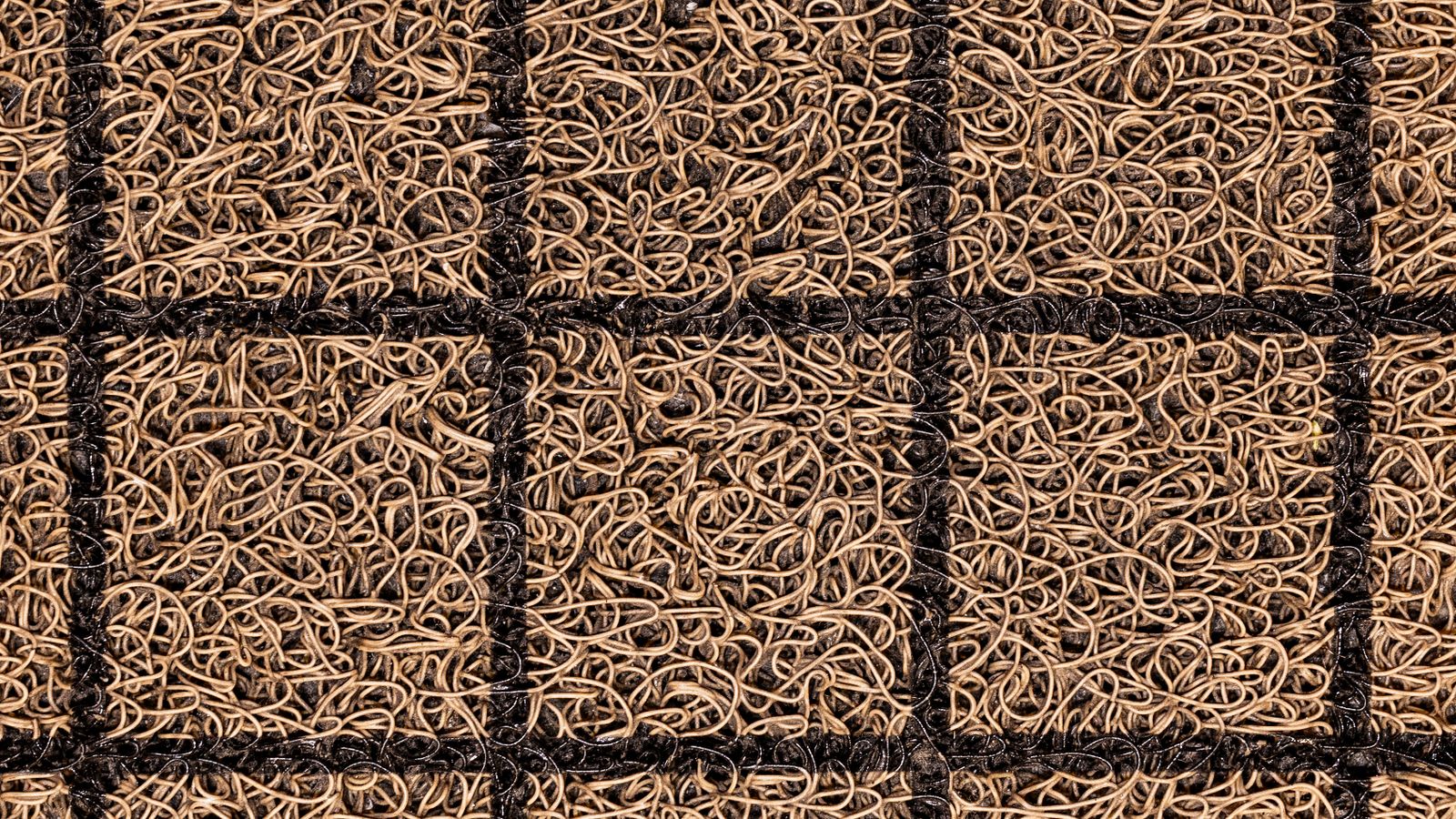
The doormat’s job is to catch dirt, moisture, and debris before it reaches the rest of the kitchen floor. It should be functional first, decorative second.
What to look for
- Low profile. A thin, flat doormat sits flush with the floor and will not catch on the door swing or trip anyone carrying groceries.
- A textured or looped surface. Coir, woven synthetic fiber, or rubber-backed mats scrape shoes effectively; smooth or shag textures do not.
- Washability. Kitchens near an exterior door see more dirt than any other mat location, so choose a doormat you can hose off, shake out, or machine wash.
- A non-slip backing. Rubber or latex backing keeps the mat from sliding on tile, vinyl, or hardwood.
If you want a curated starting point, browsing a roundup of doormats built for entryway and kitchen use can help you compare materials and sizes side by side before deciding.
Step 3: Choose the Right Area Rug
Once the entry is handled, the area rug’s job is comfort and floor protection at your main standing spot – usually in front of the sink or stove. This is where you will spend the most cumulative time on your feet, so the rug matters more for ergonomics than the doormat does.
What to look for
- A low pile or flat weave. Kitchens are prone to spills, so a rug that is easy to wipe or spot-clean beats a thick plush pile that traps crumbs and liquid.
- Cushioned backing. Standing rugs with a bit of foam or gel cushioning reduce fatigue on hard floors, especially during long cooking sessions.
- A size that matches the zone, not the whole room. A rug roughly the width of your counter run and deep enough to stand on comfortably is usually enough – you do not need to cover the entire kitchen floor.
- A color and pattern that pairs with your doormat. Sticking to a shared color family (neutral tones, for example) keeps the two pieces looking coordinated instead of like separate purchases.
For inspiration on sizing, material, and style, a list of area rugs suited to kitchen use is a useful place to compare options before you buy. If your kitchen is narrow or galley-style, a runner rug may fit the space better than a standard area rug – it can still function as your single “area rug” piece in a simplified setup.
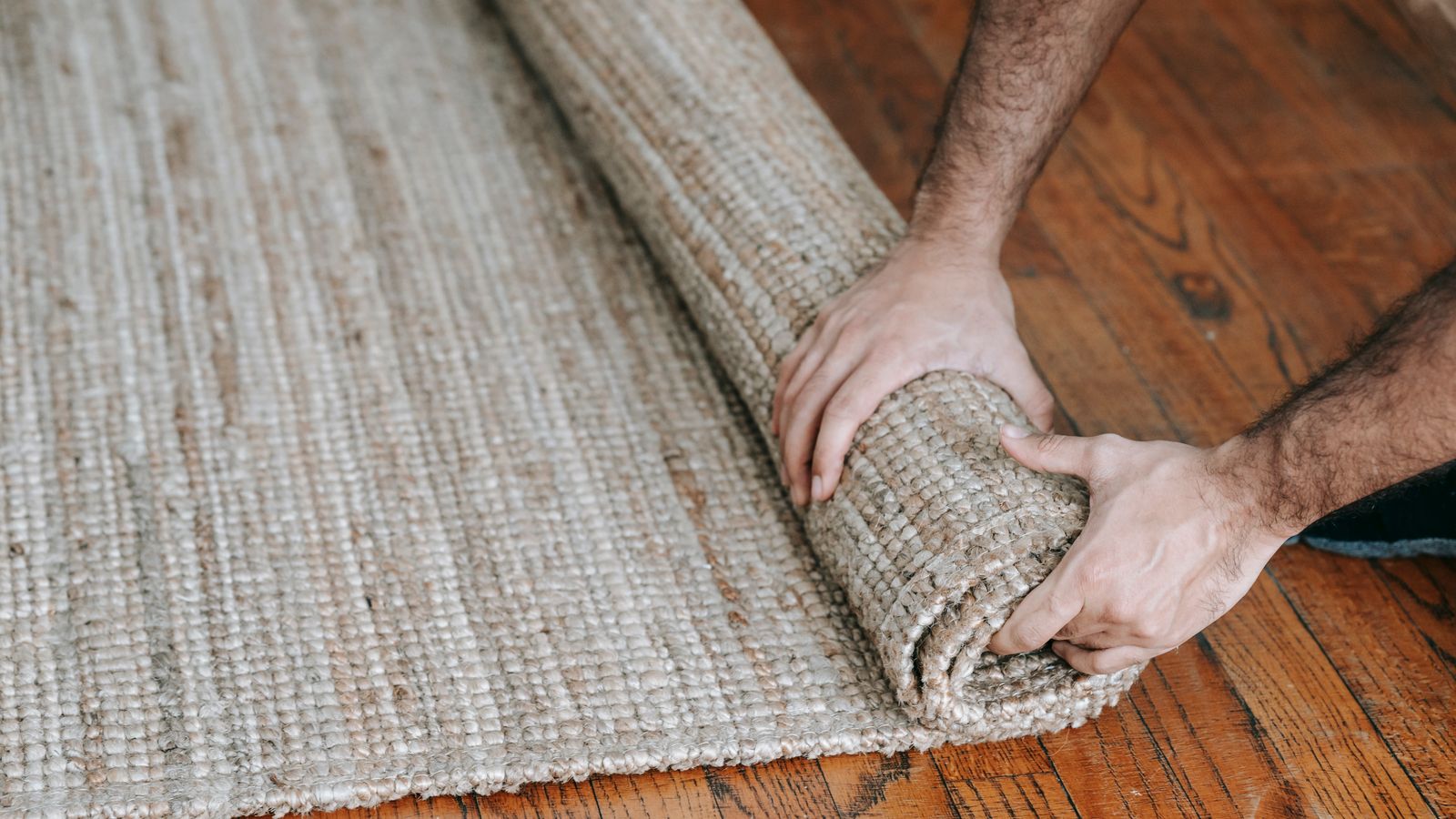
Step 4: Place Both Pieces With Purpose
Placement is where a lot of kitchens go wrong – mats get shoved wherever there is empty floor rather than positioned to actually do their job.
- Put the doormat directly at the threshold. It should be the first thing feet touch entering the kitchen, not a few steps in.
- Leave a gap between the doormat and the rug. A stretch of bare, visible floor between the two pieces keeps the room from feeling like it is wall-to-wall mats and makes each piece read as a deliberate choice.
- Center the rug on your primary work zone. Line it up with the sink or the section of counter you use most, not the middle of the room.
- Check clearances. Make sure cabinet doors, the dishwasher, and any drawers can open fully without catching a rug edge.
- Secure both with non-slip pads if needed. Even rugs with a built-in backing can benefit from a thin grip pad underneath on very smooth tile or hardwood.
Step 5: Build a Simple Cleaning Routine
Part of what makes a two-mat setup “simple” is that it stays easy to maintain. Set a light routine so neither piece becomes a chore you avoid.
- Shake out or vacuum the doormat weekly – more often in wet or muddy seasons.
- Spot-clean the area rug as spills happen rather than letting stains set.
- Rotate the rug occasionally so wear is even across the surface.
- Deep-clean (machine wash or hose down, per the care label) both pieces every one to two months, depending on household traffic.
Safety Notes
Kitchen floors combine moisture, hot cookware, and foot traffic, so a few safety details are worth double-checking once your setup is in place.
- Confirm both the doormat and rug have non-slip backing rated for your specific flooring type (tile, vinyl, laminate, or hardwood).
- Avoid rugs with curled or frayed edges – they are a tripping hazard near an area where you may be carrying hot pans.
- Keep rug edges away from the stove’s front clearance zone to reduce the risk of a dropped pan catching on fabric.
- Replace mats once the backing cracks, flattens, or stops gripping the floor, even if the top surface still looks fine.

Common Mistakes to Avoid
- Buying too many mats “just in case.” Extra pieces almost always end up as clutter rather than added protection.
- Choosing a plush rug for the kitchen. High pile traps crumbs, is hard to clean, and holds moisture – a poor match for a cooking space.
- Ignoring size. A rug that is too small looks like an afterthought; one that is too large overwhelms the room and gets in the way of cabinets.
- Skipping non-slip backing. This is the single most common cause of kitchen mat accidents and is easy to fix at purchase time.
- Mismatched colors or styles. Two mats that clearly came from different decor eras undercut the “simplified” look you are going for.
Frequently Asked Questions
Do I really only need two mats in my kitchen?
For most home kitchens, yes. A doormat at the entrance and one area rug (or runner, for narrow layouts) at your main standing zone cover the two places that see the most wear. Larger kitchens with multiple distinct work zones – an island plus a separate sink wall, for example – may reasonably need a second small rug, but the same simplifying principle applies: cover only real traffic zones, not every open patch of floor.
Should the doormat and area rug match exactly?
They do not need to match exactly, but they should coordinate. Sticking to a shared color palette or material family (both neutral, both natural fiber, etc.) makes the two pieces feel like one cohesive setup rather than separate purchases.
What is the best material for a kitchen area rug?
Flat-weave cotton, low-pile synthetic blends, and rubber-backed standing mats are generally the easiest to keep clean in a kitchen. Avoid deep pile, wool shag, or anything that is difficult to spot-clean, since kitchen floors see frequent spills.
How often should I replace kitchen mats?
Most doormats and kitchen area rugs last one to three years with regular use, depending on material and traffic. Watch for a cracked or peeling backing, flattened cushioning, or a surface that no longer wipes clean – those are signs it is time to replace rather than continue using the mat.
Can a runner rug replace a standard area rug in a kitchen?
Yes, especially in galley kitchens or narrow layouts where a wide area rug would not fit well. A well-chosen runner can cover the same work-zone protection role as an area rug while fitting a tighter footprint.
Final Thoughts
Simplifying your kitchen floor setup is less about buying less and more about buying with a plan. One doormat that stops dirt at the door and one area rug (or runner) that supports your main work zone will do more for comfort, safety, and looks than a floor scattered with mismatched extras. Take the time to choose materials that suit a kitchen’s spills and traffic, place both pieces with intention, and keep a light cleaning routine – and your kitchen floor will feel both simpler and better cared for.