
Napkin rings and placemats seem like small purchases, but they set the tone for every meal on your table. Buy them separately without a plan and you end up with mismatched textures, clashing colors, or pieces that simply don’t fit your table size. This guide walks you through a practical, step-by-step way to compare napkin rings and placemats before you buy, so you get a cohesive look the first time instead of a drawer full of returns.
Why Comparing Napkin Rings and Placemats Matters
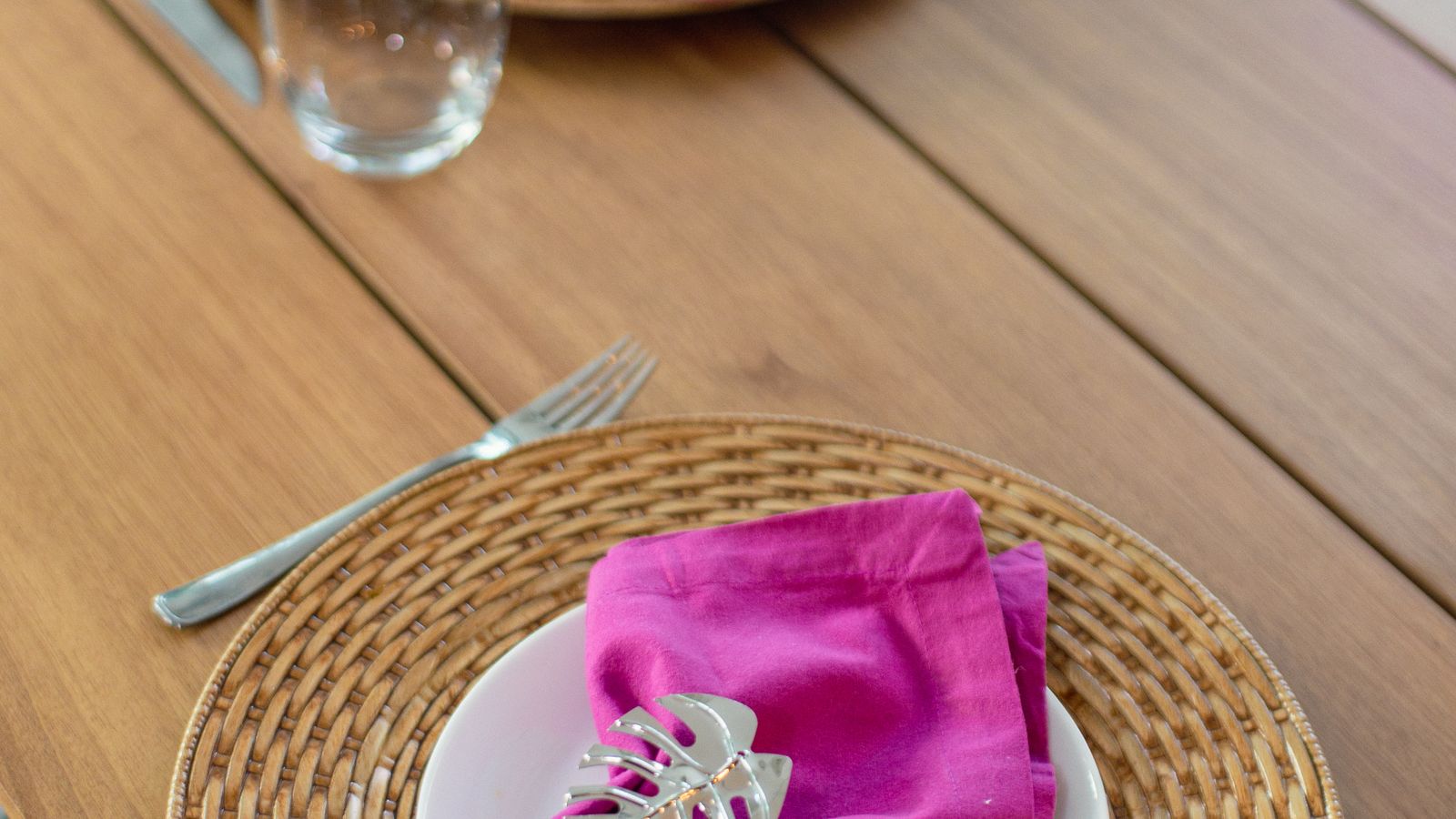
Napkin rings and placemats are functional accessories first, decorative accents second. A placemat protects your table and defines each place setting, while a napkin ring keeps folded linens tidy and adds a finishing touch. When you shop for them separately, without holding them up against each other, you risk ending up with a rustic wicker placemat paired with a sleek modern chrome ring, or a delicate lace placemat overwhelmed by a chunky beaded ring. Comparing the two before checkout saves you from a mismatched table and from buying twice.
Step 1: Gather What You Already Have
Before shopping, lay out your current dinnerware, tablecloth (if you use one), and napkins on the table. Take a photo in natural light. This becomes your reference point for every comparison you make later, whether you’re browsing in a store or scrolling online.
- Note the dominant colors of your plates and glassware.
- Check whether your table surface is wood, glass, or a painted finish that could scratch.
- Measure your table settings’ width per seat (typically 14 to 16 inches) to know what placemat size will fit.
Step 2: Decide on a Material Pairing Strategy
Material is the single biggest factor in whether napkin rings and placemats look intentional together. You have two reliable approaches:
Match the Materials
Choosing a woven rattan placemat with a matching rattan or wood napkin ring creates an effortless, cohesive look. This is the safest choice if you’re new to coordinating tableware, since matching textures rarely clash.
Contrast the Materials Intentionally
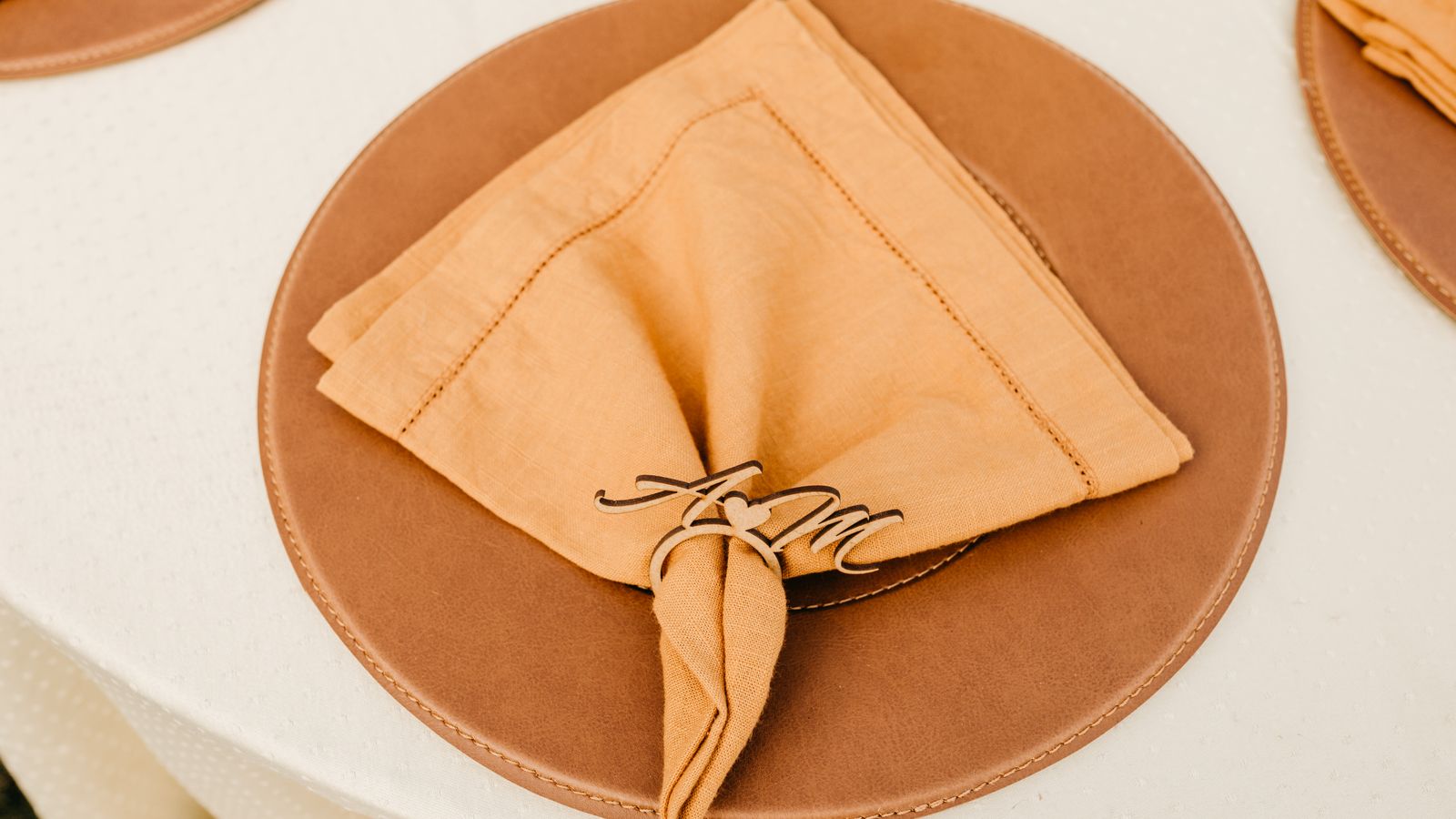
A more advanced approach is to contrast textures on purpose: a smooth linen placemat with a textured jute napkin ring, or a matte placemat with a glossy metallic ring. Contrast works when one element stays neutral and the other provides the visual interest – never let both pieces compete for attention.
Step 3: Compare Color and Finish Side by Side
Once you’ve narrowed down material, hold (or screen-compare) the napkin ring and placemat together before adding either to your cart. Look for:
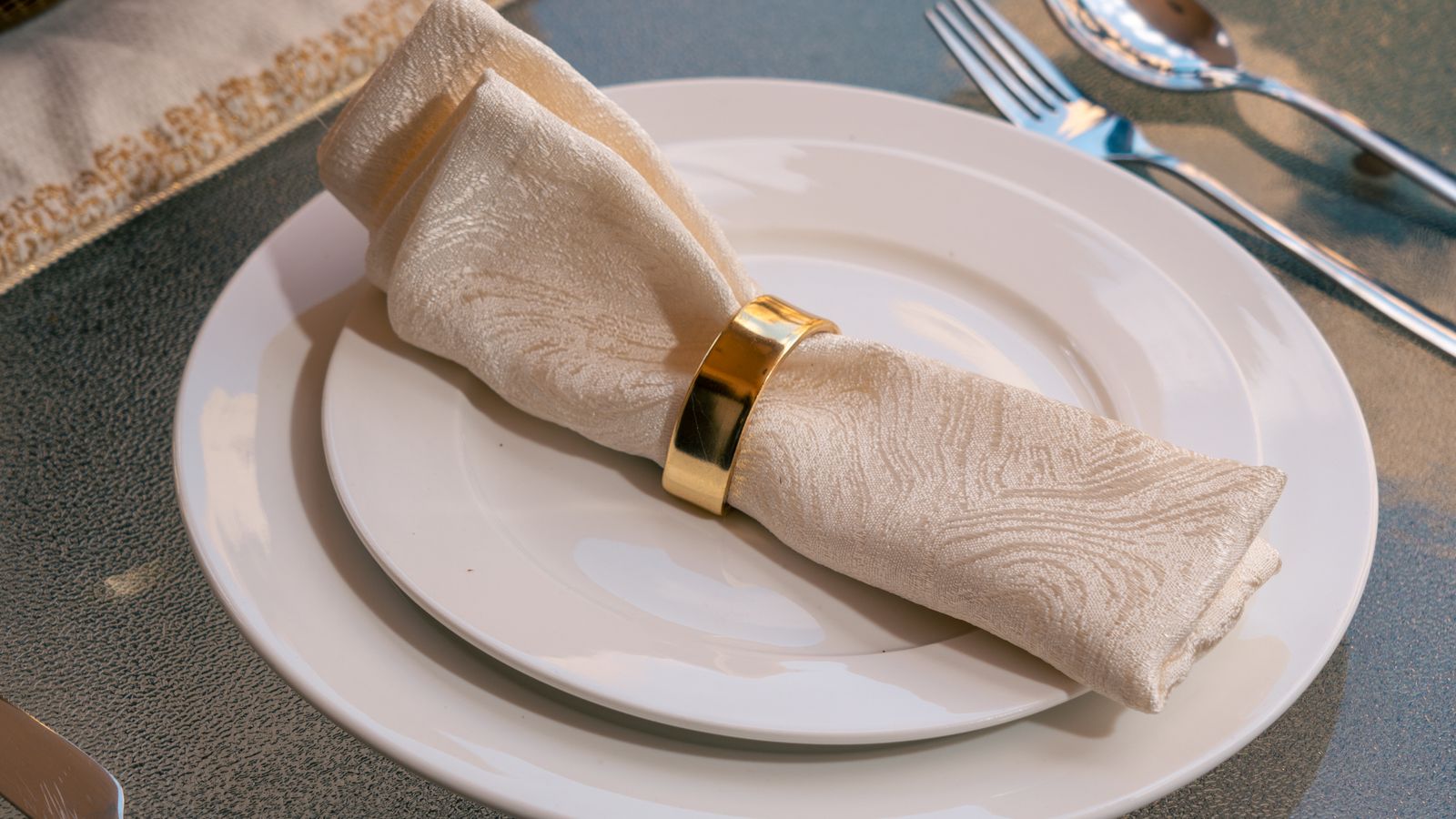
- Undertone matching. Warm metals like brass and gold pair naturally with earthy or cream placemats; cool metals like silver and chrome pair better with white, gray, or blue tones.
- Finish consistency. A matte placemat generally looks better with a matte or brushed-finish ring rather than a high-shine one, unless you’re deliberately going for a formal, polished table.
- Pattern balance. If your placemat has a busy pattern, choose a simple, solid-colored napkin ring so the two don’t visually fight each other.
Step 4: Check Sizing and Proportion
A placemat that’s too small looks stingy under a full place setting, while one that’s too large crowds neighboring settings. Standard rectangular placemats run about 12 by 18 inches, but round or oval styles vary more, so always check the listed dimensions against your table’s seat spacing measured in Step 1.
Napkin ring sizing matters too. Standard rings are built for napkins folded into a rectangle or roll of roughly 2 to 2.5 inches in diameter. If you typically fold your napkins into a fan or pocket style, look for oversized rings or skip the ring in favor of a decorative fold, since a too-small ring will feel tight and may tear delicate fabric.
Step 5: Factor in Durability and Care
Compare how each piece needs to be cleaned before you commit to a set:
- Placemats: Vinyl and PVC-coated placemats wipe clean instantly and resist spills, making them ideal for everyday use or homes with kids. Woven natural-fiber placemats look elevated but usually need spot cleaning only. Fabric placemats can typically go in the wash but may wrinkle.
- Napkin rings: Metal and wood rings need occasional dusting or polishing. Silicone or rubber rings are the most low-maintenance and work well for casual, frequent use.
If you host often, prioritize easy-care materials over delicate ones – a beautiful set you’re afraid to use loses its purpose.
Step 6: Set a Budget for Both Together
It’s easy to overspend on one item and shortchange the other. A reasonable approach is to split your total tableware budget roughly 60/40 in favor of placemats, since they cover more surface area and take more wear. Buy napkin rings in sets of four, six, or eight to match your typical seating count, and check that the per-unit price still fits your budget when multiplied out.
Step 7: Test the Full Setting Before Buying More
Once you’ve chosen a placemat and napkin ring pairing, set one full place setting exactly as it will appear at a meal: plate, napkin folded and ringed, glassware, and utensils. Step back and view it from a seated height, not just from above. This quick test catches mismatches that photos or thumbnails on a shopping site can hide, such as a ring color that reads differently under your dining room lighting.
Common Mistakes to Avoid
- Buying napkin rings before placemats. Rings are the smaller, easier-to-swap accent – always choose your placemat and tablecloth base first, then find a ring that complements it.
- Ignoring table lighting. Metallic finishes especially can look different under warm versus cool lighting. If your dining area uses table lamps with usb ports for ambient lighting, check your chosen finishes under that actual light before finalizing your order.
- Overlooking seasonal versatility. A napkin ring that only works for one holiday theme gets used once a year. Choosing more neutral rings and layering in seasonal napkins is usually more cost-effective.
- Skipping the size check. A gorgeous placemat that hangs off the table edge or a napkin ring too tight for your fold style will frustrate you every time you set the table.
Safety and Practical Notes
Avoid placemats with slick, non-grip backings on glass or lacquered tables, since plates can slide. If you have young children at the table, choose rounded, lightweight napkin rings over sharp metal or glass designs that could chip or cause injury if dropped. Always check care labels before your first wash or wipe-down to avoid discoloring fabric placemats.
Where to Start Shopping
If you’re building a new set from scratch, start by browsing napkin rings to get a sense of the materials and finishes available, then move on to placemats to find a base that matches your table’s color scheme and durability needs. Comparing options side by side across both categories, rather than buying one and hoping the other matches later, is the fastest way to land on a cohesive table setting.
Frequently Asked Questions
Do napkin rings and placemats need to match exactly?
No. They should coordinate in tone and formality level, but exact matching often looks flat. A shared color family or complementary material usually looks more curated than an identical set.
What placemat shape works best with round tables?
Round or oval placemats generally suit round tables best, though rectangular mats can work if there’s enough spacing between seats. Measure your table’s circumference divided by the number of seats to confirm fit.
Can I mix metal napkin rings with fabric placemats?
Yes, this is a common and effective contrast pairing. Just keep the metal tone consistent with your flatware and other metal accents in the room to avoid a scattered look.
How many placemats and napkin rings should I buy?
Buy at least one set per regular seating count, plus two extra for guests. This lets you host without scrambling to find a mismatched spare at the last minute.
How often should I replace placemats and napkin rings?
Placemats used daily typically show wear within a couple of years and should be replaced once stains or fraying appear. Napkin rings, especially metal or wood ones, can last many years with basic care and rarely need replacing unless damaged.
Final Thoughts
Comparing napkin rings and placemats before you buy comes down to checking material, color, size, and care needs together rather than shopping for each piece in isolation. Take the extra few minutes to test a full place setting before committing to a full order – it’s the easiest way to avoid an expensive mismatch and land on a table setting you’ll actually enjoy using every day.