Paper towel stands take a beating. Sitting on your countertop day after day, they get splashed with water, grabbed with greasy hands, knocked over while you cook, and left in the sun near a window. Eventually the wobble, the rust, or the cracked base makes you wonder: is it time to replace this thing? This guide walks through how long a typical countertop paper towel stand actually lasts, the warning signs that it’s failing, and how to choose a sturdier replacement so you’re not doing this again next year.
How Long Should a Paper Towel Stand Last?
Most countertop paper towel stands are built from one of three materials: painted or powder-coated steel, plain stainless steel, or bamboo/wood. Each has a different realistic lifespan under normal daily kitchen use.
- Painted or coated steel: 1-2 years before rust spots or chipped paint appear, especially near sinks or stovetops.
- Stainless steel: 3-5+ years with basic care, since it resists moisture and doesn’t corrode the way coated metal does.
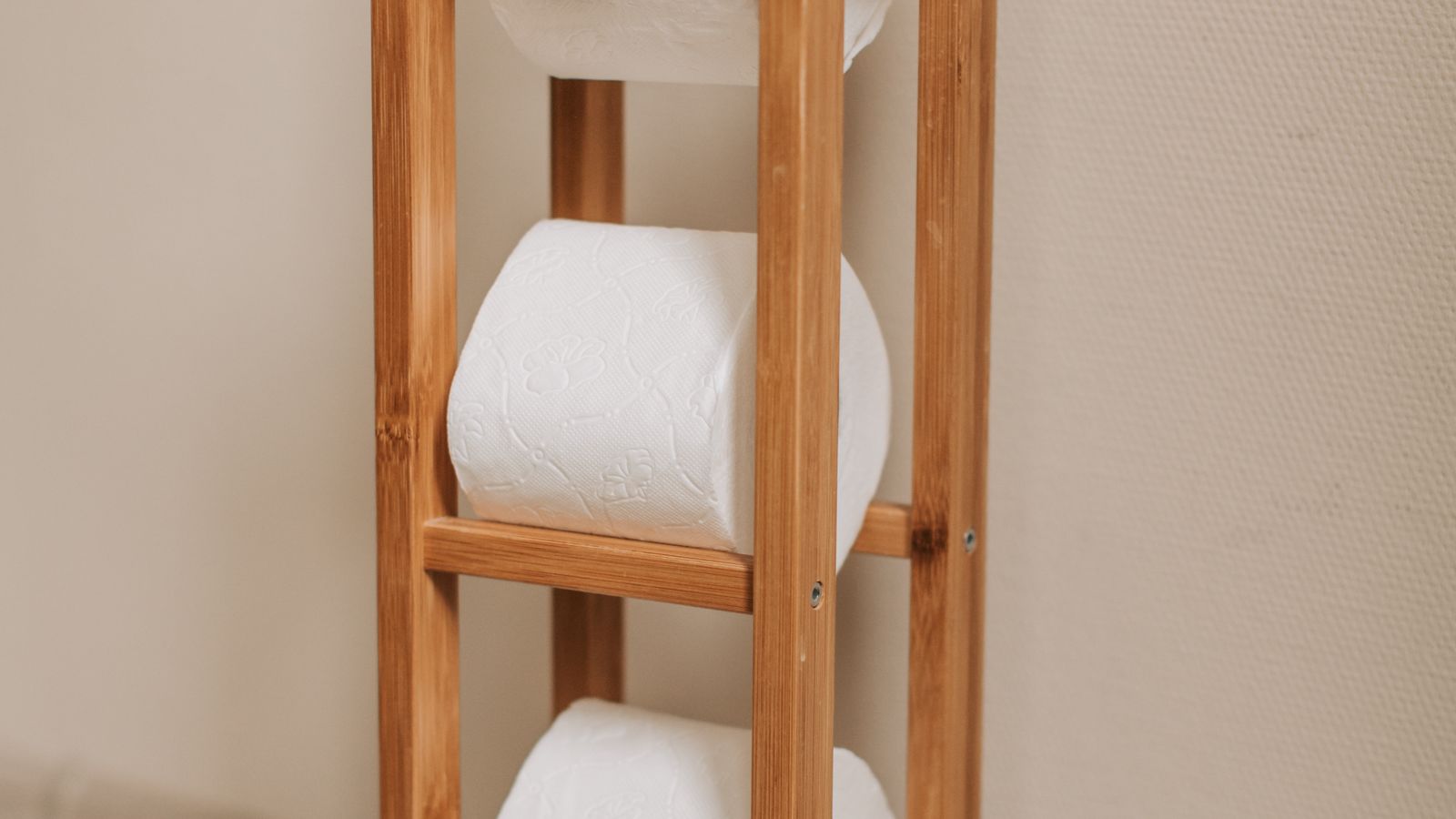
- Bamboo or wood: 1-3 years, depending on how much water exposure it gets. Wood swells, warps, and cracks faster than metal.
- Weighted marble or stone base with a metal rod: the base itself can last a decade or more, but the rod, spring tension, or paper towel arm often fails first.
These numbers assume typical daily use – pulling sheets off several times a day, wiping counters, and occasional splashes. A stand used in a high-traffic kitchen, a food truck, or near a sink that gets used constantly will wear out faster than one in a lightly used guest kitchen.
Signs Your Paper Towel Stand Needs Replacing
1. It Won’t Stand Up Straight Anymore
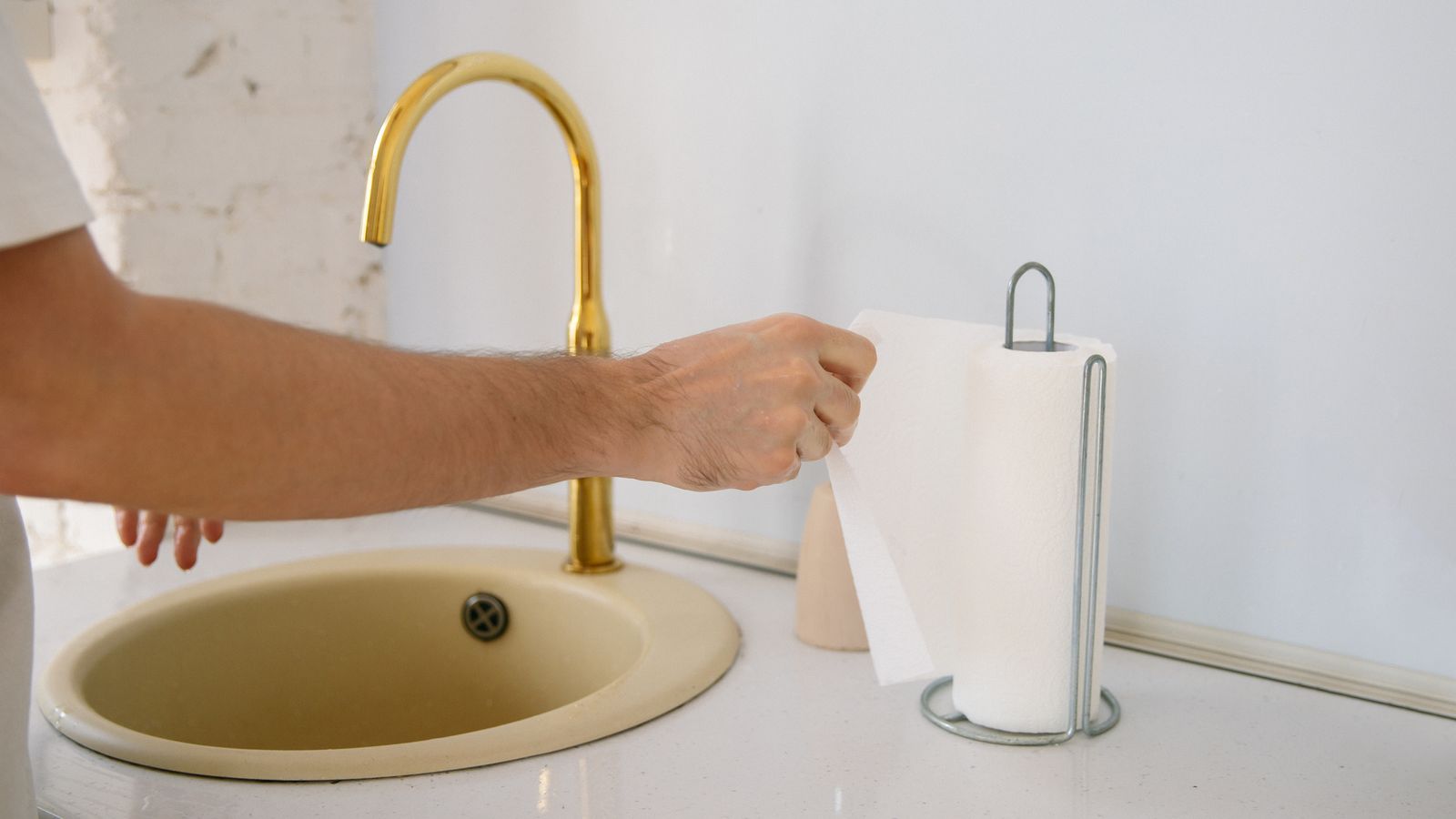
A weighted or spring-loaded base is the whole point of a countertop stand – it’s supposed to resist tipping when you pull a sheet one-handed. If yours now falls over with a light tug, the base weight has likely shifted, the spring has lost tension, or a leg has bent. This is one of the most common failure points and usually isn’t fixable at home.
2. Rust, Corrosion, or Flaking Finish
Any orange-brown spots, bubbling paint, or a rough, pitted texture on a metal stand is corrosion, not just cosmetic wear. Once rust starts, it spreads, and rust flakes can end up on your counter or even transfer to the paper towels themselves. This is a hard stop – replace it.
3. Cracks, Splits, or Warping in Wood/Bamboo Bases
Wood and bamboo bases absorb moisture from spills and humidity. Over time this causes swelling, cracking along the grain, or a warped base that no longer sits flat. A cracked wooden base is also a hygiene concern since bacteria can settle into the fissures.
4. The Roll Doesn’t Spin or Dispense Smoothly
If the roll binds up, spins loosely without resistance, or the tear-off arm no longer holds the roll in place, the internal mechanism (spring, rod, or friction fit) has worn out. You end up unspooling half a roll just to tear off one sheet – a sign the stand has outlived its usefulness.
5. Visible Wobble or Loose Joints
Give your stand a gentle push side to side. Any noticeable wobble at the base, a loose-fitting rod, or joints that have worked themselves apart over time means structural fatigue. This is especially common on cheaper stamped-metal designs after a couple years of daily handling.
What Shortens a Paper Towel Stand’s Lifespan
- Placement near the sink or stove: constant splashing and steam accelerates rust and warping.
- Overloading the weighted base: stacking extra rolls or leaning on the stand while cooking stresses the spring and base weight.
- Harsh cleaning chemicals: abrasive cleaners or bleach wipes can strip protective coatings on painted metal.
- Direct sunlight: UV exposure through a kitchen window fades finishes and dries out wood, making it brittle.
- Cheap materials to begin with: thin stamped steel or unsealed wood simply won’t hold up as long as solid stainless or sealed bamboo, regardless of care.
How to Extend the Life of Your Current Stand
- Wipe it dry after splashes. Don’t let water sit on the base or rod – a quick towel-dry after cooking prevents most rust and warping.
- Keep it a few inches from the sink and stove. Moving it just slightly out of the splash zone dramatically extends the finish’s life.
- Use mild soap instead of abrasive cleaners. A damp cloth with dish soap is enough for routine cleaning; save disinfecting wipes for the countertop itself.
- Check the base weight periodically. If it’s a weighted marble or resin base, make sure nothing has cracked or shifted internally – a hairline crack can throw off the balance.
- Don’t overload the arm. Stick to standard-size rolls; jumbo rolls can put extra strain on tear-off arms and springs not rated for the added weight.
- Re-tighten any screws or joints. Some stands have a base screw that loosens with vibration over time – a quarter-turn with a screwdriver can fix a wobble before it gets worse.
When It’s Time to Replace: What to Look For
If your stand is showing two or more of the signs above, it’s more cost-effective to replace it than to keep working around a wobbly, rusting, or jammed dispenser. When shopping for a replacement, prioritize:
- A genuinely heavy, stable base – weighted metal or solid stone bases resist tipping far better than lightweight plastic or thin stamped steel.
- Solid stainless steel construction over painted or coated finishes, since it won’t chip or rust over time.
- A one-handed tear design with enough tension to hold the roll steady without binding.
- Easy-clean surfaces – smooth stainless or sealed finishes wipe clean in seconds, unlike textured or unsealed wood.
For a side-by-side look at well-reviewed options across price points and styles, check out this roundup of countertop paper towel stands to compare weighted bases, materials, and tear-off designs before you buy.
Common Mistakes to Avoid
- Buying the cheapest option without checking base weight. A featherlight stand will tip constantly, no matter how nice it looks.
- Ignoring early rust spots. A small spot of surface rust can usually be sanded and treated, but left alone it spreads fast on painted steel.
- Placing it directly next to the stove. Grease splatter builds up quickly and is much harder to clean off a textured or wooden base than a smooth stainless one.
- Overtightening or forcing a jammed roll. This often bends the rod or cracks a plastic tear-off arm – replace worn parts instead of forcing them.
While you’re upgrading your counter setup, it’s worth thinking about the surrounding pieces too. Pairing a sturdy paper towel stand with countertop utensil holders that match in material and finish keeps your workspace looking cohesive and functional, and both tend to wear out for the same reasons – moisture, sunlight, and daily handling.
FAQ
How often should I replace a paper towel stand?
For a mid-range stainless steel stand, expect to replace it roughly every 3-5 years. Cheaper coated-metal or wood versions often need replacing every 1-2 years if they’re used daily and sit near water sources.
Can I fix a wobbly paper towel stand instead of replacing it?
Sometimes. If the wobble is from a loose base screw or a shifted weight, tightening or repositioning it can help. But if the spring, rod, or internal mechanism has failed, replacement is usually simpler and cheaper than sourcing parts.
Is stainless steel really worth the extra cost?
In most kitchens, yes. Stainless steel resists rust and staining far longer than painted metal, which means fewer replacements over time – often making it the better value even at a higher upfront price.
What’s the best way to clean rust off a metal stand?
Light surface rust can often be removed with a paste of baking soda and water and a soft cloth, followed by a thin coat of food-safe mineral oil to protect the metal. Deep rust or pitting usually means it’s time to replace the stand.
Should the paper towel stand match my other counter accessories?
It’s not required, but matching finishes (like all-stainless or all-bamboo) gives a cleaner look. It’s also common to update accessories together – for instance, replacing a worn paper towel stand alongside coffee maker covers when refreshing your kitchen counter setup.
Final Thoughts
A countertop paper towel stand isn’t a forever object – even the best ones wear out eventually, especially in a busy kitchen. The good news is that spotting the signs early (rust, wobble, a jammed roll) lets you plan a replacement before the old one fails completely or leaves rust stains on your counter. Choose a stand with a genuinely heavy base and rust-resistant materials, take a few minutes to keep it dry and clean, and it should easily outlast a flimsy budget version by several years.