A bar sink gets a surprising amount of abuse. Between muddled cocktail fruit, syrupy mixers, ice residue, coffee grounds, and constant splashing, it can turn grimy far faster than your main kitchen sink. Because it’s usually smaller and tucked into a wet bar, butler’s pantry, or island, buildup in the corners and around the faucet base often goes unnoticed until it’s stained or smelly. A proper deep clean – not just a quick wipe-down – keeps the fixture looking new, prevents odors, and protects the finish for years. This guide walks you through the full process, step by step, with the tools, timing, and safety notes you need to get it right the first time.
Why Bar Sinks Need a Different Cleaning Approach
Bar sinks are usually smaller than a standard kitchen sink, made of stainless steel, copper, or composite granite, and often paired with delicate finishes like matte black or brushed nickel. That combination means two things: grime concentrates in a tighter space, and aggressive cleaners or abrasive pads can do real damage fast. A deep clean has to balance thoroughness with a gentler touch than you might use on a garage utility sink.
Bar sinks also tend to sit near citrus, sugar, and alcohol residue, all of which can etch certain finishes or attract fruit flies if left to dry. Regular quick rinses handle the surface, but a true deep clean addresses the drain, the overflow, the faucet base, and any accessories like a sink grid that sit inside the basin day in and day out.
What You’ll Need Before You Start
Gather your supplies first so you’re not scrambling mid-clean with wet hands. A typical deep-clean kit includes:
- Dish soap or a mild, pH-neutral cleaner
- Baking soda
- White vinegar
- A soft-bristle brush or an old toothbrush for tight corners
- A non-abrasive sponge (avoid steel wool on stainless steel or composite finishes)
- Microfiber cloths
- Rubber gloves
- A small funnel or turkey baster for pouring cleaner directly down the drain
- Optional: a stainless steel polish or mineral oil for a final shine on metal sinks
If your sink has a removable strainer, stopper, or a sink grid protecting the basin floor, take those out before you begin so every surface gets attention.
Step-by-Step: How to Deep Clean Your Bar Sink
1. Clear and Rinse the Basin
Remove any dishes, bottle openers, garnish trays, or accessories sitting in the sink. Give the whole basin a hot water rinse to loosen surface debris like sugar residue, citrus pulp, or coffee grounds before you apply any cleaner.
2. Remove and Soak Accessories
If you use a rinse tray, colander insert, or sink grid, pull it out and soak it separately in warm soapy water. These accessories trap grime in their crevices and are often the smelliest part of a bar sink setup. A dedicated sink grid designed for easy removal makes this step much faster on future cleanings.
3. Apply Baking Soda Across the Basin
Sprinkle a generous, even layer of baking soda over the entire basin, including the sidewalls and around the drain opening. Baking soda is mildly abrasive without scratching most finishes, and it neutralizes odors as it works.
4. Add Vinegar and Let It Fizz
Spray or pour white vinegar over the baking soda. It will foam up immediately – this reaction helps lift stuck-on residue and mineral deposits. Let it sit for 5 to 10 minutes so it has time to break down grime before you start scrubbing.
5. Scrub With a Soft Brush
Using a soft-bristle brush or non-abrasive sponge, scrub the basin in the direction of the grain if you have a stainless steel sink. Pay extra attention to the corners, the seam around the drain, and the base of the faucet where residue builds up unnoticed. For copper or composite sinks, use extra-gentle pressure and check the manufacturer’s care instructions before using vinegar, since acidic cleaners can dull some finishes over time.
6. Clean the Drain and Overflow
Pour a cup of baking soda directly into the drain, followed by a cup of vinegar. Let it fizz for several minutes, then flush with hot water. This step clears minor buildup and helps with lingering odors, which are common in bar sinks used for rinsing fruit and mixers. If your sink has an overflow opening, run a bottle brush through it as well, since it rarely gets attention during routine cleaning.
7. Detail the Faucet and Fixtures
Wrap a vinegar-soaked cloth around the faucet base and spout for 10 minutes to dissolve hard water spots and mineral scale, then wipe clean with a soft cloth. Use an old toothbrush to get into the threads around the aerator, where limescale often collects first.
8. Rinse Thoroughly
Rinse the entire basin, drain, and faucet with hot water to remove every trace of baking soda and vinegar residue. Leftover residue can dull the finish or leave a chalky film if it’s allowed to dry in place.
9. Dry and Polish
Dry the sink completely with a microfiber cloth rather than letting it air-dry, which prevents water spots. For stainless steel, a few drops of mineral oil buffed in with a clean cloth restores shine and adds a light protective layer. Reinstall your sink grid or strainer once everything is dry.
Safety Notes
- Never mix vinegar with bleach or ammonia-based cleaners – the combination produces toxic fumes.
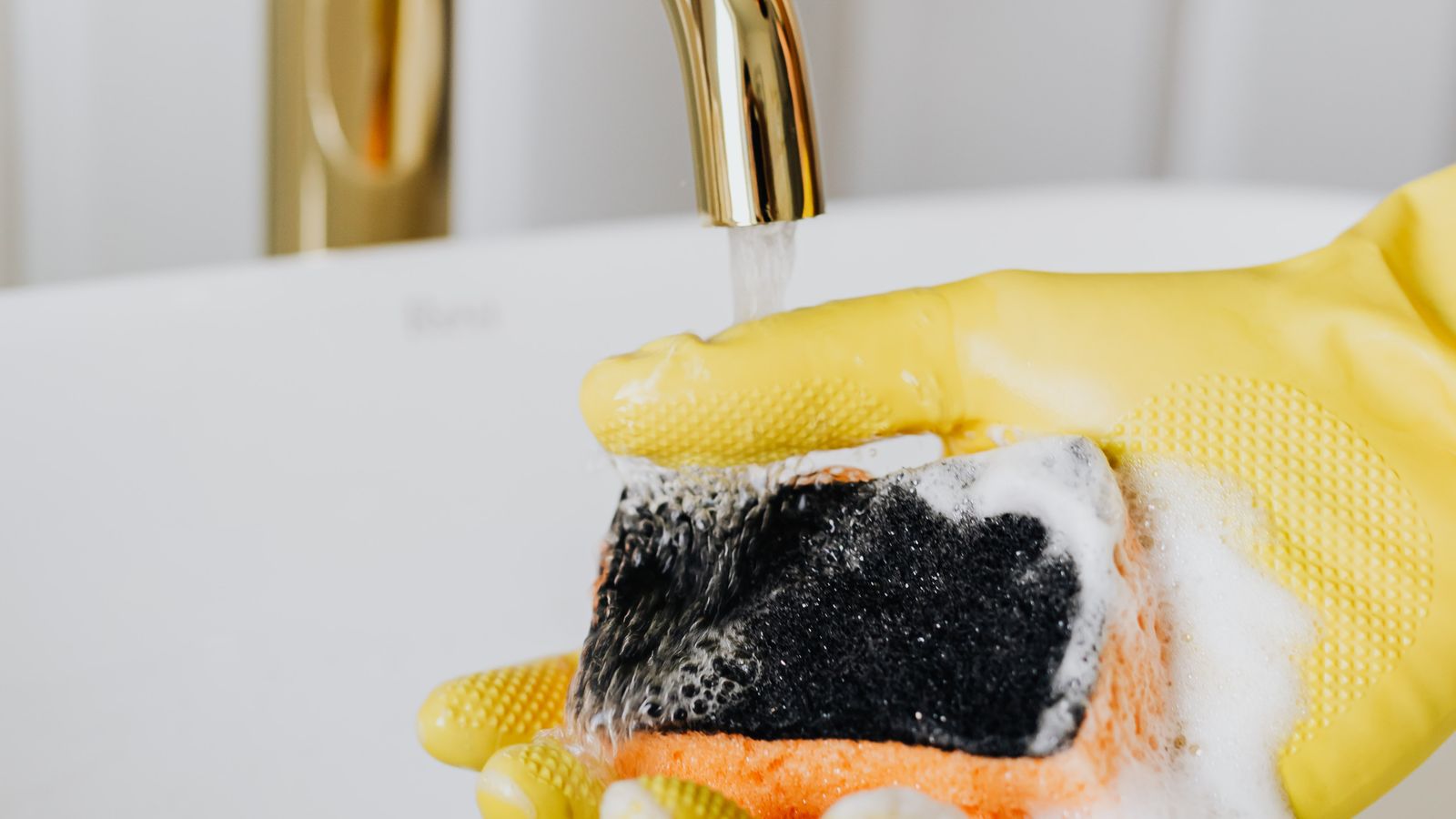
- Wear rubber gloves if you have sensitive skin, since repeated exposure to vinegar and baking soda can be drying.
- Ventilate the area, especially in a smaller wet bar space, while cleaning agents are fizzing and off-gassing.
- Test any new cleaner or polish on a small hidden area first if you’re unsure how your sink’s finish will react.
Common Mistakes to Avoid
- Using steel wool or harsh abrasive pads on stainless steel or composite sinks – these leave micro-scratches that trap dirt and dull the finish over time.
- Letting citrus or wine residue sit for days between cleanings – acidic residue etches some finishes and stains grout or caulking around the sink.
- Skipping the drain – a clean basin with a neglected drain still smells and can breed bacteria.
- Using bleach on copper or brass finishes – it strips the patina and can permanently discolor the metal.
- Forgetting the caulk line around the sink edge, where mold and mildew tend to develop in humid bar areas.
How Often Should You Deep Clean a Bar Sink?
For a bar sink used regularly – during weekend entertaining, holiday gatherings, or daily drink prep – aim for a full deep clean every one to two weeks, with a quick rinse-and-wipe after each use. Sinks near a wet bar counter, especially those installed alongside a butcher block countertop, benefit from more frequent attention since spilled liquids can seep into the wood grain around the sink edge if not wiped promptly.
Maintaining Your Bar Sink Between Deep Cleans
A few small habits keep grime from building up between full cleanings:
- Rinse the basin with hot water after every use, especially after mixing sugary or acidic drinks.
- Wipe down the faucet and handles daily if the sink sees frequent use.
- Keep a small brush nearby specifically for the drain opening.
- Dry the basin after the last use of the night to prevent water spots and mineral buildup.
- Empty and rinse any strainer or sink grid daily rather than letting debris sit overnight.
Choosing a Sink That’s Easier to Keep Clean
If your current bar sink is difficult to maintain – deep corners that trap grime, a finish that shows every water spot, or no room for a protective grid – it may be worth upgrading. Browsing a curated list of bar sinks can help you compare finishes and basin shapes that are genuinely easier to keep spotless, particularly rounded corners and smooth composite or stainless finishes that resist staining better than textured surfaces.
FAQ
Can I use bleach to clean my bar sink?
It depends on the material. Bleach is generally safe for stainless steel in diluted form but should be avoided on copper, brass, or natural stone composite sinks, where it can cause discoloration or pitting. Vinegar and baking soda are a safer default for most finishes.
Why does my bar sink smell even after cleaning?
Lingering odor usually comes from the drain or overflow opening rather than the basin itself. Run the baking soda and vinegar treatment directly down the drain, and check underneath the sink for any slow leaks that could be trapping standing water.
Is it safe to use a garbage disposal cleaner in a bar sink?
Only if your bar sink has a disposal unit installed. Many bar sinks don’t, so check your setup first – pouring disposal cleaner into a drain without one won’t do any harm, but it also won’t do much beyond what vinegar and baking soda already accomplish.
How do I remove hard water stains from a bar sink faucet?
Wrap a vinegar-soaked cloth around the affected area for 10 to 15 minutes, then scrub gently with a soft brush and rinse well. For stubborn buildup, repeat the process rather than reaching for an abrasive scouring pad.
Should I seal a composite or stone bar sink?
Some composite granite sinks benefit from an occasional sealant application to resist staining, particularly from red wine or coffee. Check your manufacturer’s care guide, since not all composite materials require sealing.
A bar sink might be small, but it works hard. A consistent deep-cleaning routine – paired with quick daily habits – keeps it hygienic, odor-free, and looking as good as the day it was installed, whether you’re entertaining guests or just making your morning coffee.