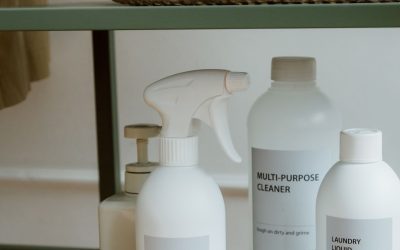

That bottle of fabric refresher sitting on your laundry shelf has been there for a while – but is it still doing its job? Fabric refreshers are a laundry-room staple for eliminating odors between washes, but like most household sprays, they don’t last forever. Knowing how long a fabric refresher actually lasts, and recognizing the signs it’s time to replace it, helps you get the best odor-fighting performance and avoid wasting money on a product that’s lost its potency.
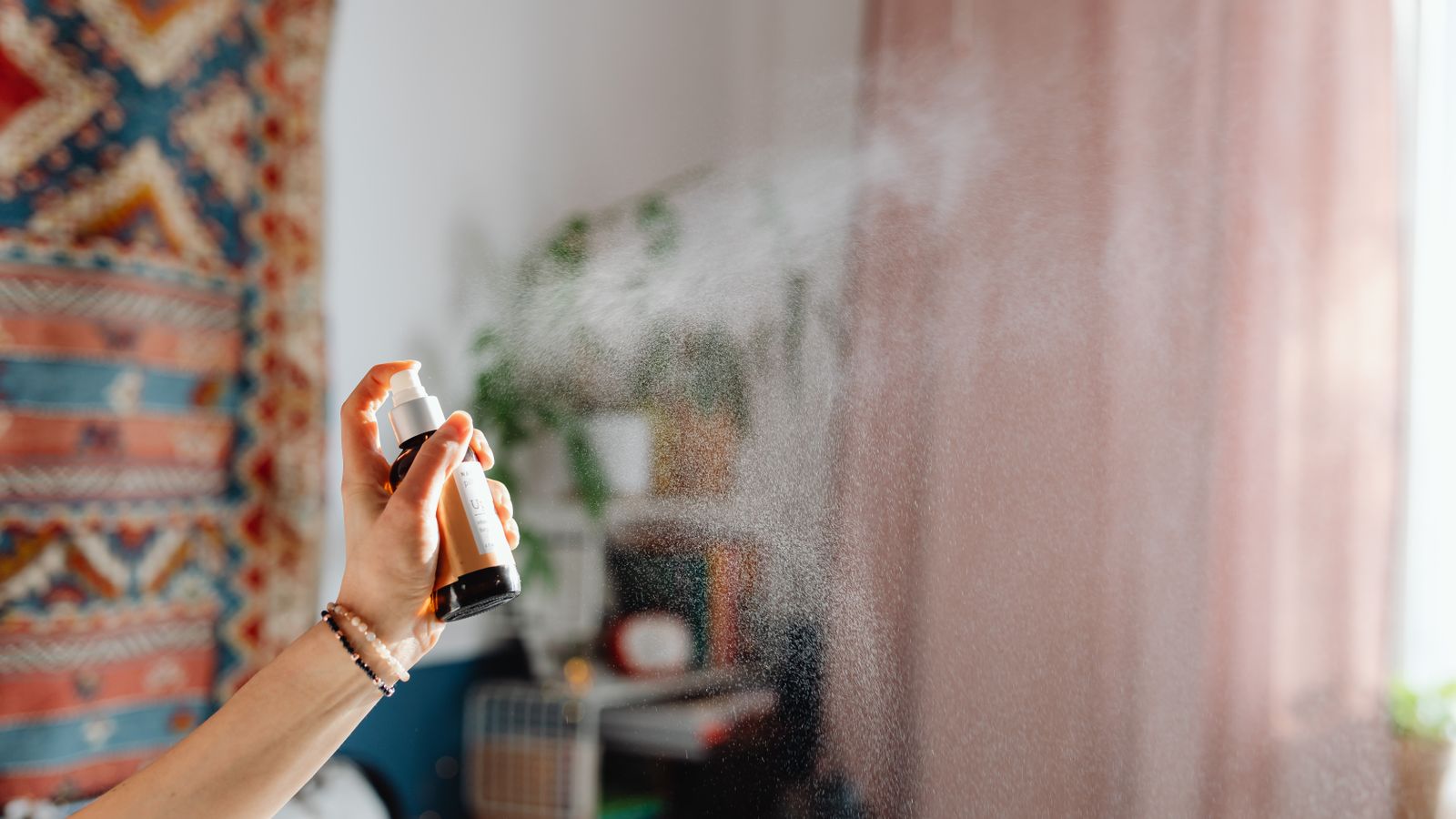
In this guide, we’ll break down the typical shelf life of fabric refreshers, the factors that speed up or slow down degradation, the warning signs that your bottle needs to go, and simple habits that help you get the most out of every spray before it’s time to buy a new one.
How Long Does Fabric Refresher Actually Last?
Most fabric refreshers are formulated to remain effective for about 2 to 3 years from the manufacture date when unopened and stored properly. Once opened, that window typically shortens to around 12 to 18 months of reliable performance, though many bottles will still spray and smell “fine” well beyond that point – they simply won’t neutralize odors as effectively.
Fabric refreshers work through a combination of fragrance oils, odor-neutralizing compounds (often cyclodextrin, a molecule that traps odor particles), and a water- or alcohol-based carrier. Over time, these active ingredients can break down, separate, or evaporate, especially once the seal is broken and air starts interacting with the formula.
Unlike a “best by” stamped on food, fabric refreshers rarely display a hard expiration date. Instead, manufacturers usually print a batch code or manufacture date that you can use to estimate age, along with general shelf-life guidance in the product’s fine print or on the brand’s website.
Unopened vs. Opened Bottles
- Unopened, sealed bottle: 2-3 years when stored in a cool, dry, dark place.
- Opened and in regular use: 12-18 months before odor-fighting power starts to noticeably fade.
- Opened but rarely used: Can degrade faster than a bottle used consistently, because the same air pocket sits above the liquid for months at a time, encouraging oxidation.
What Affects How Long Your Fabric Refresher Lasts
Several everyday factors influence whether your bottle holds up for the full expected lifespan or fades much sooner.
1. Sunlight and Heat Exposure
Storing a spray bottle on a sunny windowsill or near a heat vent accelerates the breakdown of fragrance oils and active ingredients. UV light and heat both speed up chemical degradation, which is why laundry rooms and closets – cool, dark, and dry – make far better storage spots than bathroom counters or garages that swing in temperature.
2. Air Exposure After Opening
Every time you pump the trigger, a small amount of air enters the bottle to replace the liquid that was sprayed out. That air introduces oxygen, which slowly oxidizes fragrance compounds and can cause the scent to turn slightly sour or “off” well before the bottle is empty.
3. Formula Type
Alcohol-based fabric refreshers tend to have a longer effective shelf life than water-based formulas because alcohol acts as a natural preservative and inhibits bacterial growth. Water-based sprays, especially “natural” or preservative-light formulas, can develop a cloudy appearance or off-smell sooner.
4. Storage Container
Clear plastic bottles let more light through than opaque or tinted ones, which can accelerate fragrance breakdown. If your refresher came in a clear bottle, keeping it inside a cabinet rather than on an open shelf will help it last longer.
Signs It’s Time to Replace Your Fabric Refresher
You don’t need to track exact purchase dates to know when a bottle has run its course. Watch for these practical warning signs instead.
- The scent has faded or changed. If a fresh spray barely smells like anything, or the fragrance seems “off,” sour, or chemical compared to when you first bought it, the formula has likely broken down.
- It no longer neutralizes odors. A fabric refresher’s main job is to eliminate odor, not just mask it with fragrance. If fabrics still smell musty or smoky after spraying and air-drying, the odor-neutralizing agents have likely lost their effectiveness.
- The liquid looks cloudy, separated, or discolored. Give the bottle a gentle shake. If ingredients don’t fully recombine, or you notice sediment, discoloration, or an oily film on top, it’s a clear sign the formula has degraded.
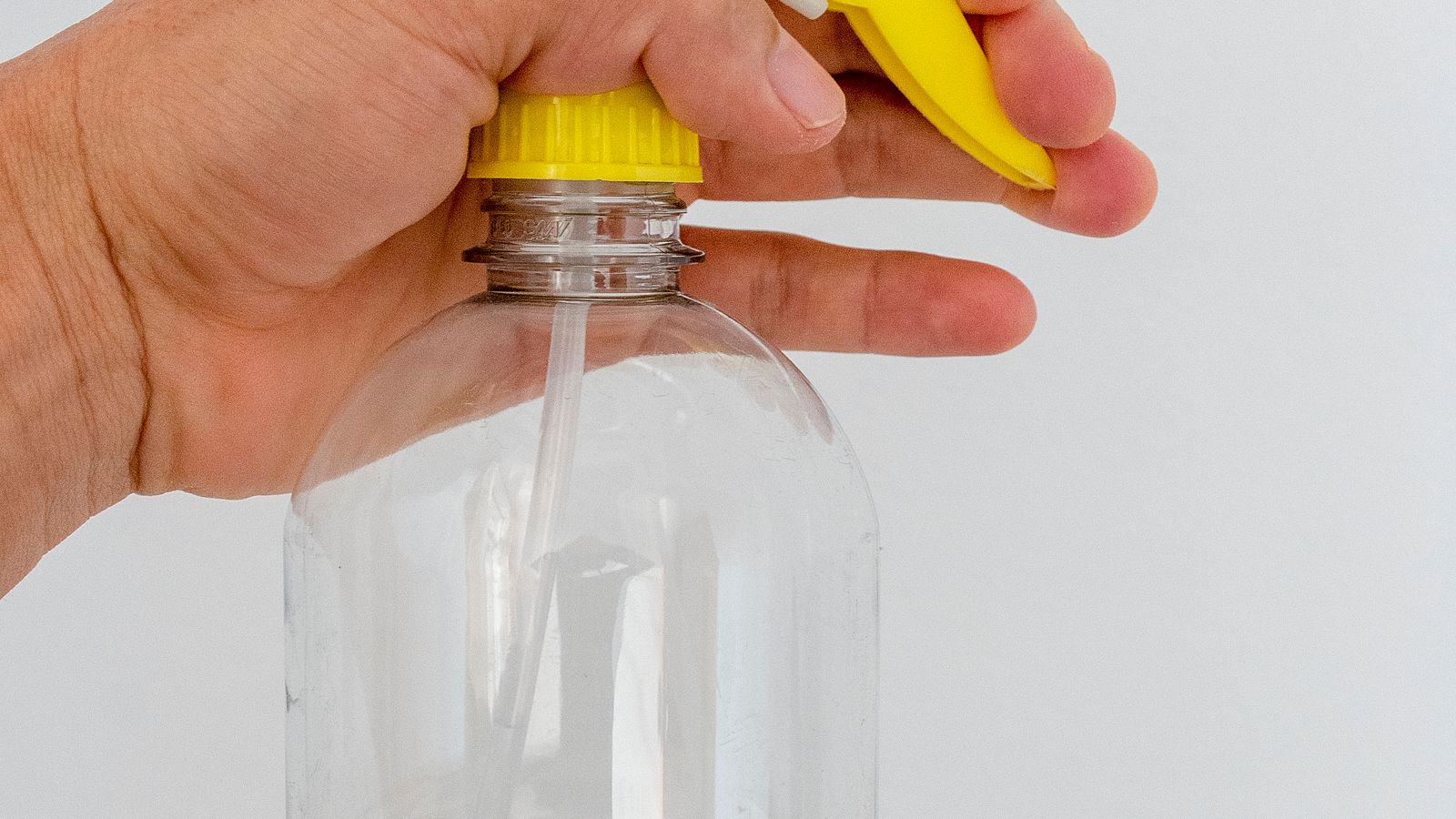
- The spray nozzle is clogged or sputtering. Dried residue can build up in the nozzle over time, especially if the bottle sits unused for long stretches. A sputtering, uneven spray pattern often means it’s easier to replace the bottle than to fully clear the mechanism.
- It’s been open for more than 18 months. Even if it still seems fine, performance has likely declined enough that a fresh bottle will work noticeably better, especially for tougher odors like pet smells or smoke.
How to Extend the Life of Your Fabric Refresher
A few simple habits can help you get the full expected lifespan out of a bottle before you need to replace it.
- Store it in a cool, dark cabinet rather than on an open shelf exposed to sunlight or near a dryer’s heat.
- Keep the cap or trigger nozzle closed when not in use to limit air exposure and prevent evaporation.
- Shake before each use to redistribute any settled ingredients and maintain a consistent spray.
- Avoid extreme temperature swings, such as leaving a bottle in a hot car trunk or an unheated garage over winter.
- Buy a size you’ll actually use up within about a year. A large bulk bottle that sits half-used for two years often performs worse than a smaller bottle used up quickly.
Common Mistakes to Avoid
- Assuming “still smells fine” means “still works.” A pleasant fragrance can mask the fact that the odor-neutralizing agents have already broken down.
- Storing bottles upright near heat sources like radiators, dryers, or sunny windows, which shortens shelf life dramatically.
- Ignoring clogged nozzles. A weak or uneven spray pattern wastes product and reduces coverage, even if the formula itself is still fresh.
- Buying more bottles than you’ll use in a year just because they’re on sale. Unused stockpiles quietly degrade in storage.
When to Replace Instead of Repair
Unlike some household tools, fabric refreshers aren’t designed to be refilled or repaired – once the formula degrades, there’s no way to restore its odor-fighting power. If you’re noticing any two or more of the warning signs above, it’s more cost-effective to replace the bottle than to keep using a spray that isn’t doing its job. For a side-by-side look at reliable options with strong reviews for odor control and long-lasting scent, check out our picks for fabric refreshers that hold up well over time.
If you’re restocking your laundry and cleaning supplies at the same time, it’s also worth reviewing other consumables that quietly lose effectiveness with age. For example, our guide to toilet bowl tablets covers similar shelf-life considerations for bathroom cleaning products, and if you’re stocking up on absorbent essentials, our roundup of the best paper towels can help round out your cleaning cabinet.
Frequently Asked Questions
Does fabric refresher expire?
Fabric refreshers don’t have a strict “use by” date the way food does, but their fragrance and odor-neutralizing power gradually decline over time. Most remain effective for 2-3 years unopened and about 12-18 months once opened.
Can I still use an old fabric refresher?
Using an old bottle typically isn’t unsafe, but it may not neutralize odors effectively and the scent may have faded or changed. If it still smells pleasant and sprays evenly, it’s fine to use up; if it smells off or the liquid looks separated, it’s better to replace it.
Why does my fabric refresher smell different than when I bought it?
Fragrance oils break down with exposure to air, light, and temperature changes. A shifted or weaker scent is a normal sign of aging, not necessarily a defect.
How should I store fabric refresher to make it last longer?
Keep it in a cool, dark cabinet away from direct sunlight and heat sources like dryers or radiators, with the cap or nozzle closed between uses.
Is it better to buy a small or large bottle?
If you use fabric refresher only occasionally, a smaller bottle is usually the better choice, since it’s more likely to be used up before the formula starts to degrade.
Final Thoughts
A fabric refresher’s effectiveness fades gradually, which makes it easy to keep using a bottle long after it’s stopped doing much good. Paying attention to storage conditions, checking for changes in scent or texture, and replacing bottles that have been open for more than a year and a half will keep your laundry routine working the way it should. When it’s time for a new bottle, choosing a well-reviewed formula built for lasting odor control makes the difference between a refresher that truly freshens and one that just adds a temporary scent.