A laundry room rug takes a beating that few other rugs in your home ever face: constant foot traffic, water drips from the washer, detergent splashes, lint, and the vibration of appliances running for hours at a time. If yours is looking flat, faded, or a little worse for wear, you are probably wondering whether it is time to replace it or whether a good wash will bring it back to life. This guide walks through the realistic lifespan of a laundry room rug, the warning signs that mean it is done, and how to choose a longer-lasting replacement.
How Long Does a Laundry Room Rug Actually Last?
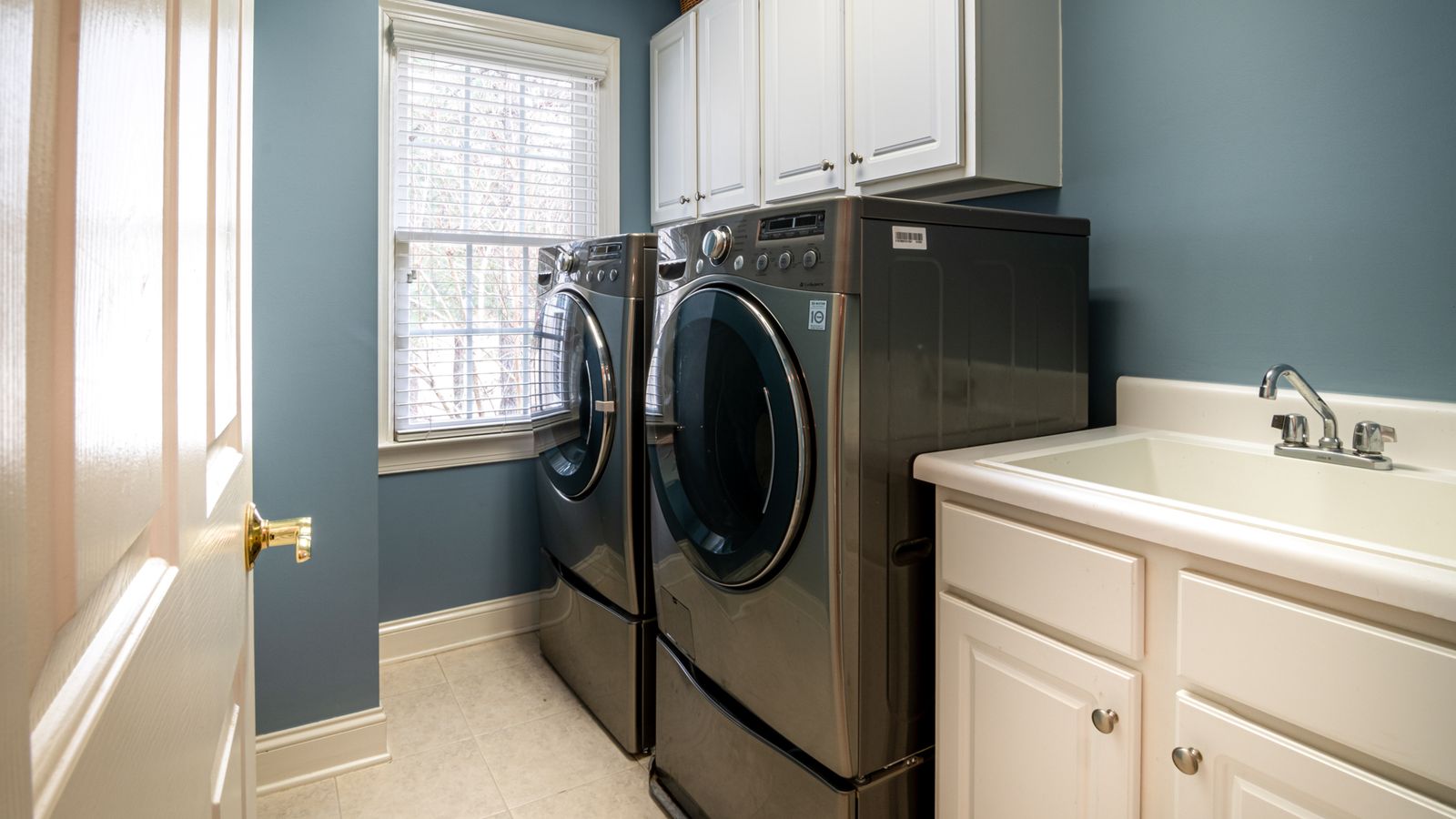
Most laundry room rugs last somewhere between 1 and 3 years with regular use, though the exact number depends heavily on material, thickness, and how often the room sees traffic. A thin cotton or polyester bath-style rug in a busy household laundry room might start showing wear in as little as 12 months, while a thicker, well-made rug with a rubber or memory-foam backing can hold up for 3 years or more if it is cared for properly.
The laundry room is a uniquely tough environment for a rug. Unlike a bedroom or living room rug that mostly deals with foot traffic and the occasional spill, a laundry room rug deals with:
- Moisture exposure from wet clothes being pulled out of the washer, condensation, and the occasional overflow.
- Vibration from washers and dryers running, which can loosen fibers and compress padding over time.
- Detergent and fabric softener residue that builds up in the fibers and can break down materials faster than plain dirt.
- Frequent washing of the rug itself, since laundry rooms need a rug that can be cleaned often – and repeated washing is hard on any textile.
- Heat from dryer vents or nearby appliances, which can dry out and weaken synthetic fibers.
All of that adds up to a shorter functional life than you would expect from the same rug placed in a hallway or entryway. Knowing this upfront helps set realistic expectations, so you are not surprised when a rug that looked brand new a year ago suddenly needs replacing.
Signs Your Laundry Room Rug Needs Replacing
Before you toss a rug that might still have some life left, check for these specific signs of wear. If you notice two or more of these, it is a strong signal that the rug has reached the end of its useful life.
1. Flattened or Matted Pile
Run your hand across the rug. If the fibers no longer spring back and the surface feels compressed and hard, the cushioning is gone. A flattened rug loses its anti-fatigue benefit, which matters if you spend time standing at the washer sorting or folding laundry.
2. Persistent Odor
Laundry rooms are humid, and rugs in that environment can trap moisture in the backing or padding, leading to a musty or mildew smell that does not go away even after a thorough wash. If you have run the rug through the wash more than once and the smell keeps coming back, mold or mildew has likely taken hold inside the material, and replacement is the safer option.
3. Curling Edges or a Rug That Won’t Lie Flat
A rug that constantly curls at the corners or bunches up underfoot is not just annoying – it is a tripping hazard, especially in a room where you are often carrying a full laundry basket or handling wet clothes. Backing material breaks down over time, and once it stops gripping the floor properly, no amount of flattening under furniture will fix it permanently.
4. Visible Staining or Discoloration
Detergent spills, rust stains from an aging washer, or general discoloration from repeated washing can set in permanently, especially on lighter-colored rugs. If stains no longer respond to spot cleaning or a full wash cycle, the rug’s appearance has passed the point of no return.
5. Thinning, Holes, or Reduced Slip Resistance
Thin spots, holes, or unraveling edges are a clear structural sign, and the damage tends to accelerate with every wash cycle from there. At the same time, a worn-out rubber or non-slip backing loses its grip over time – especially with repeated machine washing. If the rug slides around when you step on it, that backing has worn out, and a slippery rug near a water source is a real safety concern.
What Affects a Laundry Room Rug’s Lifespan
Not every laundry room rug wears out at the same rate. A few factors make the biggest difference in how long yours will hold up.
Material
Cotton rugs are soft and washable but tend to flatten and fray faster than synthetic blends. Microfiber and polyester rugs generally resist moisture and stains better and dry faster, which matters in a room that is often damp. Natural fiber rugs like jute or sisal look great in a laundry room but hold moisture longer and are more prone to mildew, so they typically need replacing sooner in this specific room.
Backing, Thickness, and Washing Frequency
A rug with a solid rubber or PVC backing stays in place better and resists moisture from underneath, but that same backing can crack or peel over time, especially with frequent machine washing and drying. Thicker, denser rugs also take longer to flatten out under repeated foot traffic than thin, low-pile options – useful if you stand at the washer and dryer often sorting or folding. And every wash cycle puts some stress on fibers and backing, so a rug washed weekly will typically wear out faster than one washed every few weeks, even under the same amount of foot traffic. Following the manufacturer’s care instructions, often a gentle cycle and air drying rather than high heat, helps slow that wear down.
Room Humidity and Ventilation
Laundry rooms without good airflow stay damp longer after a wash cycle, which speeds up mildew growth and backing breakdown. If your laundry room does not have a vent or window, expect to replace rugs somewhat more often, or consider running a small fan after wash cycles to help the rug dry.
How to Extend the Life of Your Laundry Room Rug
A few simple habits can meaningfully stretch how long a rug lasts before it needs replacing.
- Shake or vacuum it regularly. Lint and debris ground into the fibers accelerate wear, so a quick shake-out or vacuum pass a couple of times a week helps keep the pile from matting down.
- Follow the care label. Wash on the recommended cycle and temperature, and air dry when possible instead of running it through a hot dryer cycle, which can break down rubber backing and shrink natural fibers.
- Rotate the rug and address spills immediately. Shifting its position occasionally evens out foot-traffic wear, and blotting detergent or water spills right away keeps them from soaking into the backing.
- Improve airflow. Crack the laundry room door after a wash cycle or run a vent fan if the room tends to stay damp – this slows mildew growth considerably.
- Use a rug pad if the rug allows it. A separate non-slip pad underneath a washable rug takes some wear off the rug’s own backing and adds cushioning underfoot.
Common Mistakes That Shorten a Rug’s Life
- Washing on too hot a cycle. High heat is one of the fastest ways to crack rubber backing and warp natural fibers – always check the label first.
- Ignoring musty smells. A lingering odor usually means moisture is trapped inside the rug, and leaving it unaddressed only lets mildew spread further.
- Placing a rug directly under a leaking connection. A dripping hose or supply line will saturate the same spot repeatedly and wear it out fast – get the leak fixed first.
- Skipping a rug pad on hard flooring. Without a pad, a rug shifts and bunches more, speeding up fraying and creating a trip hazard.
- Buying a rug that is not machine washable. It will either get neglected or wear out faster from improvised cleaning methods.
Choosing a Replacement That Lasts Longer
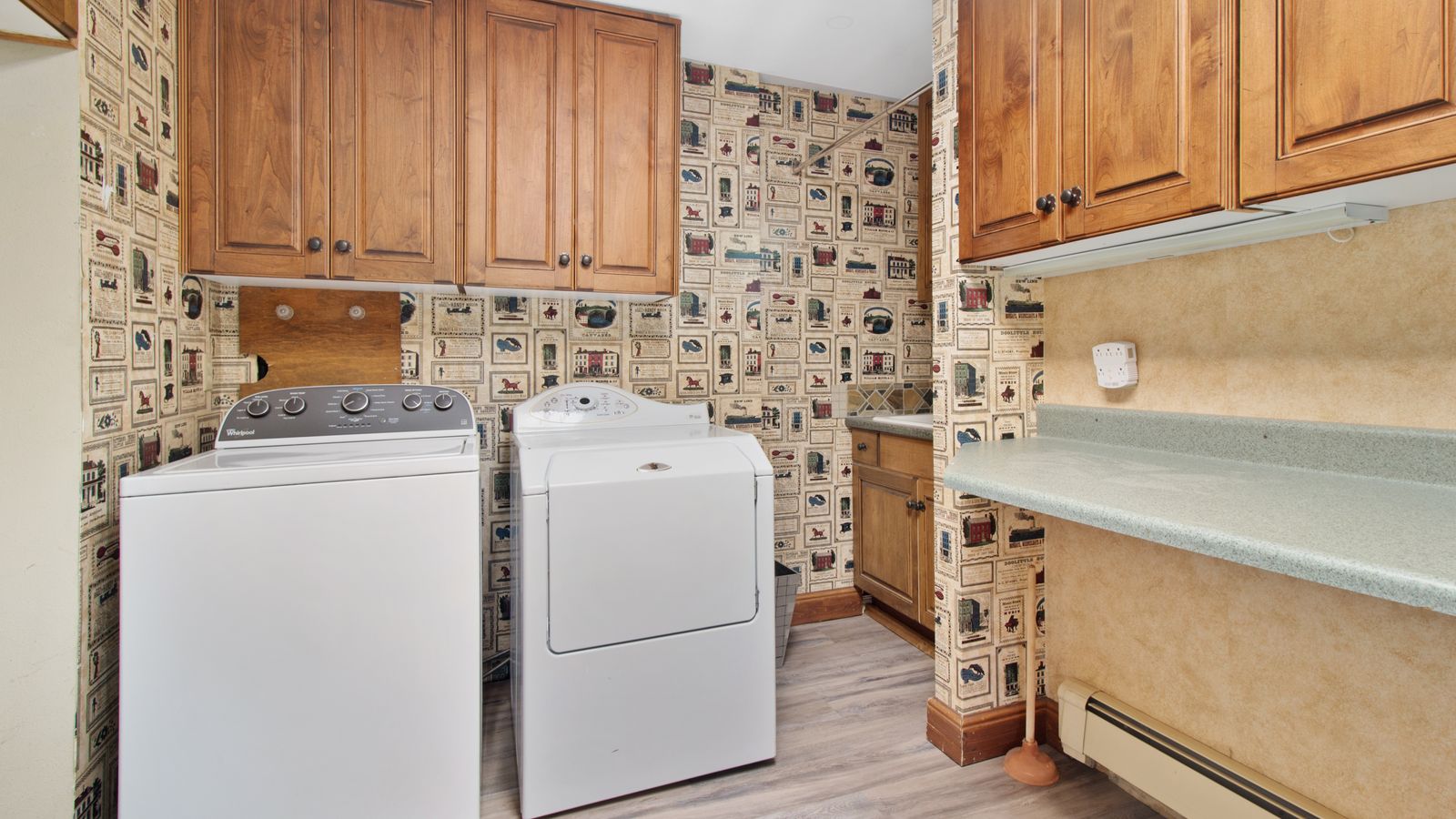
When it is time to replace your rug, a few smart choices upfront can help the new one outlast the last one.
- Pick a machine-washable synthetic blend designed for kitchens or laundry rooms – these typically handle moisture and frequent washing better than decorative or natural-fiber rugs.
- Look for a low-profile, dense pile that resists flattening and still allows the laundry room door to swing freely.
- Check the backing material. A non-slip rubber or TPR backing rated for machine washing holds up far better than a stitched-on backing that can peel after a few cycles.
- Consider a runner setup if your laundry room is long and narrow, so you can rotate or replace one section without buying an entirely new rug.
- Match it to your storage and workflow so it does not bunch against nearby shelving or racks.
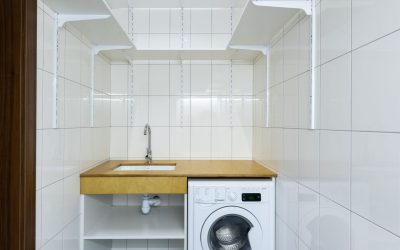
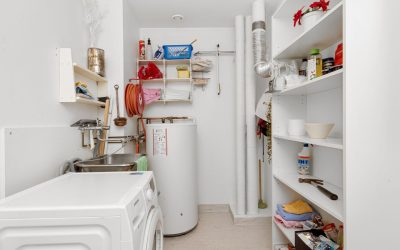
If you are shopping for a new one, this roundup of laundry room rugs covers washable, non-slip options built specifically to handle the moisture and traffic this room sees. Pairing a fresh rug with better storage – like laundry wall shelves to keep detergent and supplies off the floor, or ceiling drying racks to keep wet clothes from dripping directly onto the rug – can also help the new rug last noticeably longer.
Frequently Asked Questions
Can I just wash my laundry room rug instead of replacing it?
Yes, if the rug is still structurally sound. A thorough wash on a gentle cycle, followed by air drying, can refresh a rug’s appearance and remove trapped odors. But if the padding has flattened, the backing has cracked, or the smell returns after washing, cleaning will not solve the underlying problem – it is time to replace it.
How often should I wash a laundry room rug?
Every 2 to 4 weeks is a reasonable baseline, since it deals with more moisture and foot traffic than rugs elsewhere in the home. Rooms with pets, kids, or higher humidity may need more frequent washing.
Are rubber-backed rugs better for laundry rooms?
Rubber-backed rugs generally offer better slip resistance and moisture protection than fabric-only rugs. Just make sure the specific rug is labeled machine washable, since not all rubber backings tolerate repeated wash cycles well.
Why does my laundry room rug smell musty even after washing?
A lingering musty smell usually means moisture got trapped inside the backing or padding during a previous wash-and-dry cycle, allowing mildew to take hold. If a second wash and full air-dry does not resolve it, the rug likely needs to be replaced.
Final Thoughts
A laundry room rug earns its keep by protecting your floors and your feet in one of the hardest-working rooms in the house, but that hard work means it will not last forever. Watch for flattening, odor, curling edges, and slipping – once two or more of those show up, it is time to shop for a replacement rather than keep patching things up. Choosing a washable, well-backed rug from the start, and pairing it with a laundry room setup that keeps water and detergent off the floor, will help your next rug go the distance.