Freezer baskets are one of those quiet workhorses of the kitchen – you barely notice them until one cracks, sags, or won’t glide on its rails anymore. Because they sit inside a sub-zero environment and get loaded, unloaded, and yanked out several times a week, freezer baskets wear out faster than most other kitchen storage. This guide walks through how long a freezer basket actually lasts, the warning signs that it’s time for a replacement, and how to keep the one you have running smoothly for as long as possible.
How Long Does a Freezer Basket Typically Last?
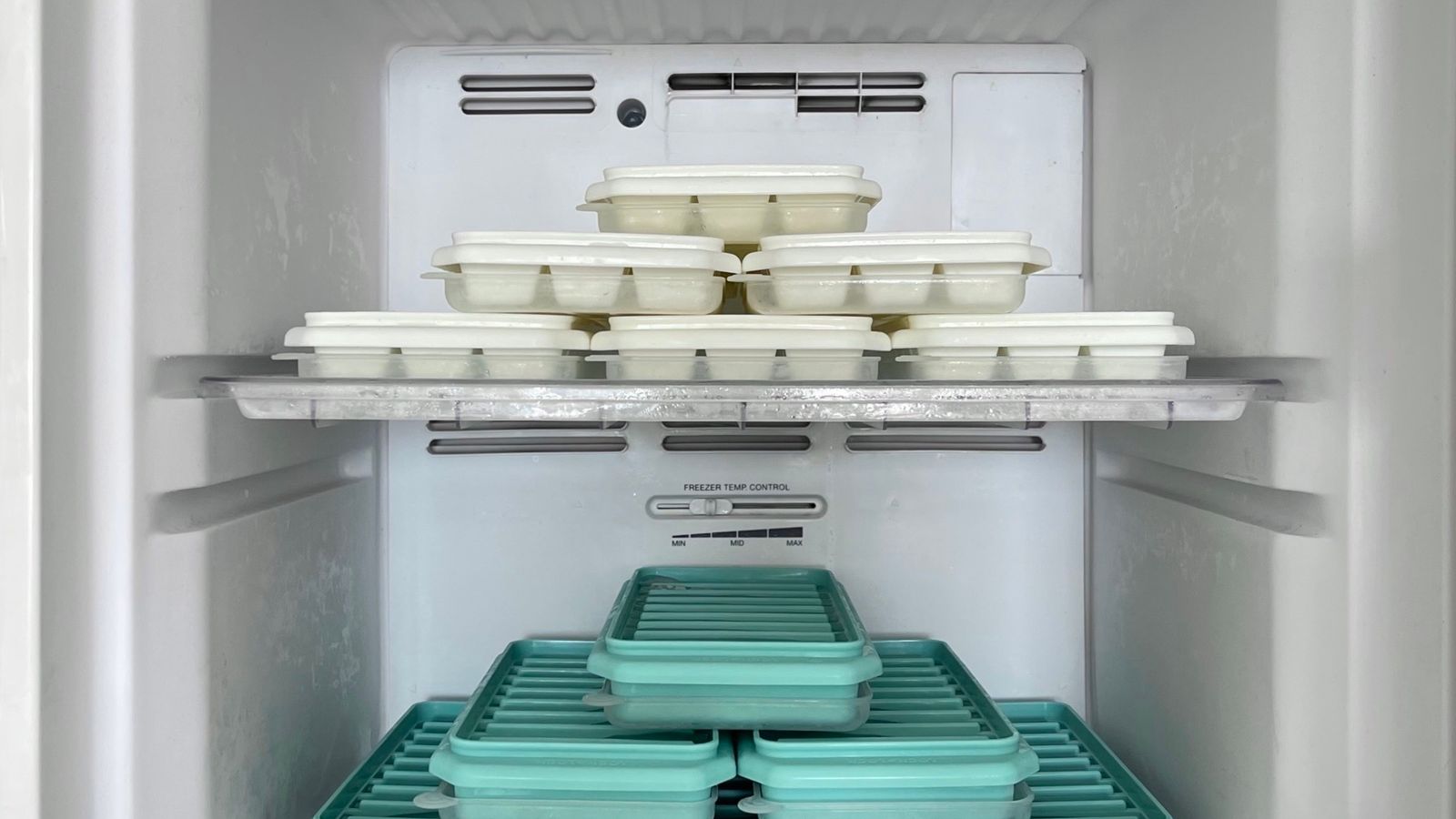
Most plastic freezer baskets last between 3 and 6 years with normal daily use, while wire-frame or coated-metal baskets can last 6 to 10 years if they don’t develop rust. The exact lifespan depends heavily on material, how often the basket is loaded to capacity, and how well it’s cleaned. A basket in a garage chest freezer that only opens once a week will easily outlast one in a busy kitchen fridge-freezer that gets opened multiple times a day.
Temperature cycling is the main enemy. Every time a freezer door opens, the basket experiences a small thermal shock as warmer air rushes in and then the compressor kicks back on to re-chill the space. Over hundreds of cycles, this constant expansion and contraction is what makes plastic go brittle and metal coatings flake.
Signs That Point to a Shorter Lifespan
- Overloading the basket beyond its rated weight limit
- Frequent door openings in a busy household
- A freezer that runs colder than necessary (below 0°F/-18°C isn’t required for most home use)
- Storing sharp-edged packaging (foil trays, glass jars, ice-encrusted bags) that can scratch or gouge the basket
Signs It’s Time to Replace Your Freezer Basket
You don’t need to replace a freezer basket on a strict calendar – replace it when it shows real signs of failure. Here’s what to watch for.
1. Visible Cracks or Splits in the Plastic
Cold plastic is more brittle than plastic at room temperature, so hairline cracks that start small can spread quickly, especially near the corners or where the basket rests on its rails. Once a crack appears, it rarely stays small – the basket will eventually fail under the weight of frozen goods, sometimes dropping food onto the freezer floor or a shelf below.
2. Sagging or Warped Shape
If the basket has started to bow in the middle or no longer sits flush and level, the plastic has likely lost structural rigidity from repeated cold cycles. A warped basket also won’t glide smoothly on its rails, making it harder to open and close the freezer drawer fully.
3. Rust or Corrosion on Wire Baskets
Wire-frame baskets are usually coated in a plastic or vinyl layer to resist moisture. Once that coating chips away, exposed metal starts to rust in the humid freezer environment. Rust flakes can contaminate food, and a rusted wire structure weakens over time, so this is one of the clearer replace-it-now signals.
4. Broken or Missing Rail Clips
The small plastic clips or tabs that let the basket slide on its track are a common failure point. If the basket wobbles, tips forward when pulled out, or won’t stay seated, the rail hardware has likely worn out – sometimes this can be fixed by replacing just the clips, but often it’s simpler to replace the whole basket.
5. Persistent Odors or Staining
Porous or scratched plastic can trap odors from spilled sauces, freezer-burned meat, or leaking packaging that no amount of cleaning removes. If the basket smells off even after a thorough wash, it’s holding onto bacteria or residue in surface cracks that are too small to see.
How to Extend the Life of Your Freezer Basket
A little routine care goes a long way toward pushing a basket toward the high end of its expected lifespan.
- Empty and inspect it every few months. Pull the basket out fully, remove everything, and check for cracks, warping, or loose clips before putting food back.
- Wash with warm (not hot) soapy water. Let the basket come closer to room temperature first – running hot water over ice-cold plastic can cause it to crack from thermal shock.
- Dry completely before reloading. Trapped moisture refreezes into ice that adds unnecessary weight and can wedge the basket against its rails.
- Avoid overloading past the rated capacity. Check the manufacturer’s weight guidance if you have it, and distribute heavier items (meat, bagged ice) toward the back or bottom of the basket rather than piling everything at the front edge.
- Line the bottom with a thin mat or tray for sharp packaging. This prevents glass jars or foil-edged boxes from scoring the plastic surface.
- Lubricate the rail track occasionally. A dry-safe silicone spray on metal freezer rails (never on the plastic basket itself) keeps the basket sliding smoothly and reduces strain on the clips.
- Defrost the freezer regularly if it isn’t frost-free. Excess ice buildup around the basket rails adds resistance every time you pull it out, accelerating clip wear.
Common Mistakes That Shorten Basket Life
- Yanking the basket out forcefully instead of lifting slightly while sliding – this stresses the rail clips more than a smooth pull.
- Using the basket as a step or leverage point when reaching for items at the back of the freezer.
- Ignoring small cracks hoping they won’t spread – they almost always do under repeated cold-weight cycles.
- Washing with abrasive scrubbers that scratch the plastic surface and create new odor-trapping grooves.
- Mixing incompatible replacement baskets that don’t match the original rail width, which puts uneven pressure on the mounting clips.
Choosing a Replacement Freezer Basket
When it’s time to replace a basket, measure the freezer’s internal rail width and depth first – baskets are rarely universal, so an ill-fitting one will wobble and wear out faster than the original. Decide between a direct manufacturer replacement part (best for a perfect fit) or a standalone storage basket sized to slide freely inside the compartment. If you’re shopping around, our roundup of top-rated freezer baskets compares durable plastic, coated-wire, and stackable options across different price points and freezer types.
While you’re reorganizing, it’s also worth looking at the rest of your cold-storage setup. Pairing a fresh freezer basket with well-designed refrigerator organizers makes it much easier to see what you have and cuts down on freezer burn from forgotten items buried at the back.
Freezer Basket Care Checklist
- Inspect every 3-4 months for cracks, warping, or rust
- Clean with warm soapy water and dry fully before reloading
- Keep weight within the manufacturer’s suggested limit
- Lubricate rails, not the basket, for smooth sliding
- Replace immediately if cracks, rust, or broken clips appear
- Match replacement basket dimensions to your freezer’s rail track
Frequently Asked Questions
Can a cracked freezer basket be repaired instead of replaced?
Small hairline cracks can sometimes be reinforced temporarily with food-safe plastic tape, but this is a short-term fix. Because cracks widen under repeated cold cycling and weight, a full replacement is the more reliable long-term solution.
Do all freezers use the same basket size?
No. Basket dimensions vary widely between brands and models, and even between different freezer compartments in the same kitchen. Always measure the rail width, depth, and height clearance before buying a replacement.
Is a wire basket better than a plastic one?
Wire baskets tend to have better airflow around stored food and can last longer if the protective coating stays intact, while plastic baskets are lighter, quieter, and usually less expensive. The right choice depends on your budget and how heavily you load the basket.
Why does my freezer basket smell even after washing?
Odors usually seep into micro-scratches or cracks in the plastic surface. A deep clean with a baking-soda solution can help, but a persistent smell after multiple washes is a sign the material has degraded and it’s time for a new basket.
Does keeping the freezer too cold shorten basket life?
Running well below the recommended setting doesn’t meaningfully preserve food any better but does subject the basket to more extreme thermal stress, which can accelerate plastic brittleness over time.
Final Thoughts
A freezer basket is a small, inexpensive part of your kitchen, but a failing one can mean spilled food, wasted space, and daily frustration every time you reach for dinner. Check yours a few times a year, clean it properly, and don’t wait for a full collapse before swapping it out. When the time comes, a well-fitted replacement paired with smart refrigerator organizers will keep your freezer running efficiently for years to come.