New window treatments can transform a kitchen, but the price range across valances, motorized shades, and curtains is wide enough to catch most homeowners off guard. Before you start swapping out hardware or ordering fabric samples, it helps to understand what each option actually costs to buy and install, and where your money delivers the most visible payoff. This guide walks through a realistic budgeting process so you can plan a window treatment project for your kitchen without overspending or underestimating what a finished, cohesive look requires.
Step 1: Define Your Window Treatment Goals
Before pricing anything, decide what you actually need the window treatment to do. Kitchens have different demands than living rooms or bedrooms: you’re dealing with steam, grease splatter, sink splashback, and frequent sun exposure over a work surface. Ask yourself:
- Do you need full light control (for a west-facing sink window that gets glare in the afternoon), or just a decorative accent?
- Is privacy a concern, especially at night when interior lights make the window a mirror?
- Will the treatment be opened and closed daily, or left mostly static?
- Do you want a hands-free, motorized option, or are you comfortable with manual pulls and rods?
Writing down these priorities first keeps you from being swayed by whichever option looks nicest in a showroom, and it directly shapes how you should allocate your budget.
Step 2: Understand What Each Option Costs
Valances, motorized shades, and window curtains sit at very different price points, and the gap isn’t just about materials – it’s also about hardware, installation complexity, and ongoing maintenance.
Valances
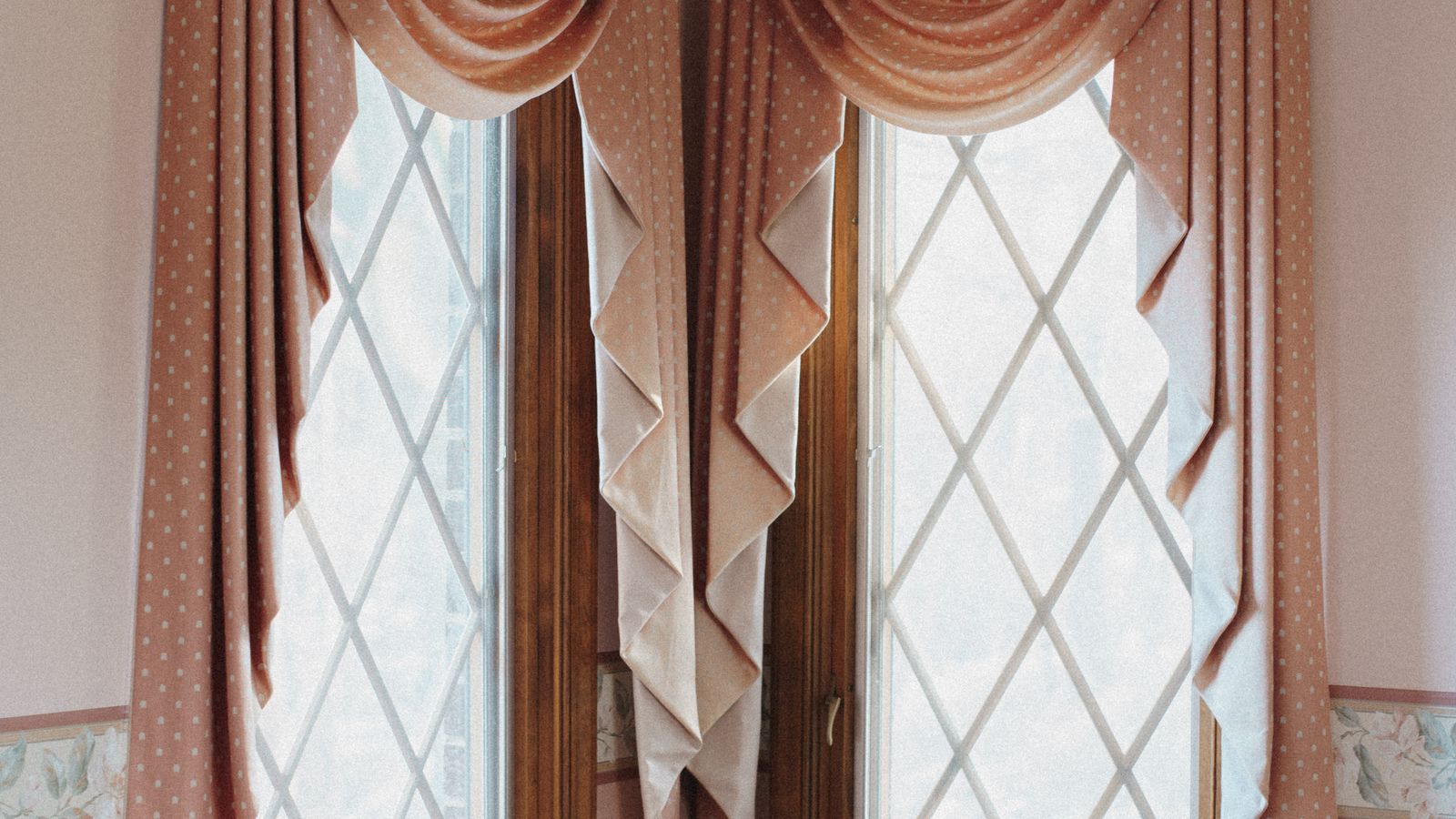
A valance is a short decorative topper, usually mounted above the window frame, that softens the look of blinds or bare glass without covering the full window. Because they use less fabric and simpler hardware than full-length curtains, valances are typically the least expensive of the three options. They’re a good fit if your kitchen window already has functional blinds or shades doing the actual light and privacy work, and you just want a finishing touch. Budget-wise, valances are the easiest entry point if you’re outfitting several windows on a tight budget, since the per-window cost stays low even with a nicer fabric.
Motorized Shades
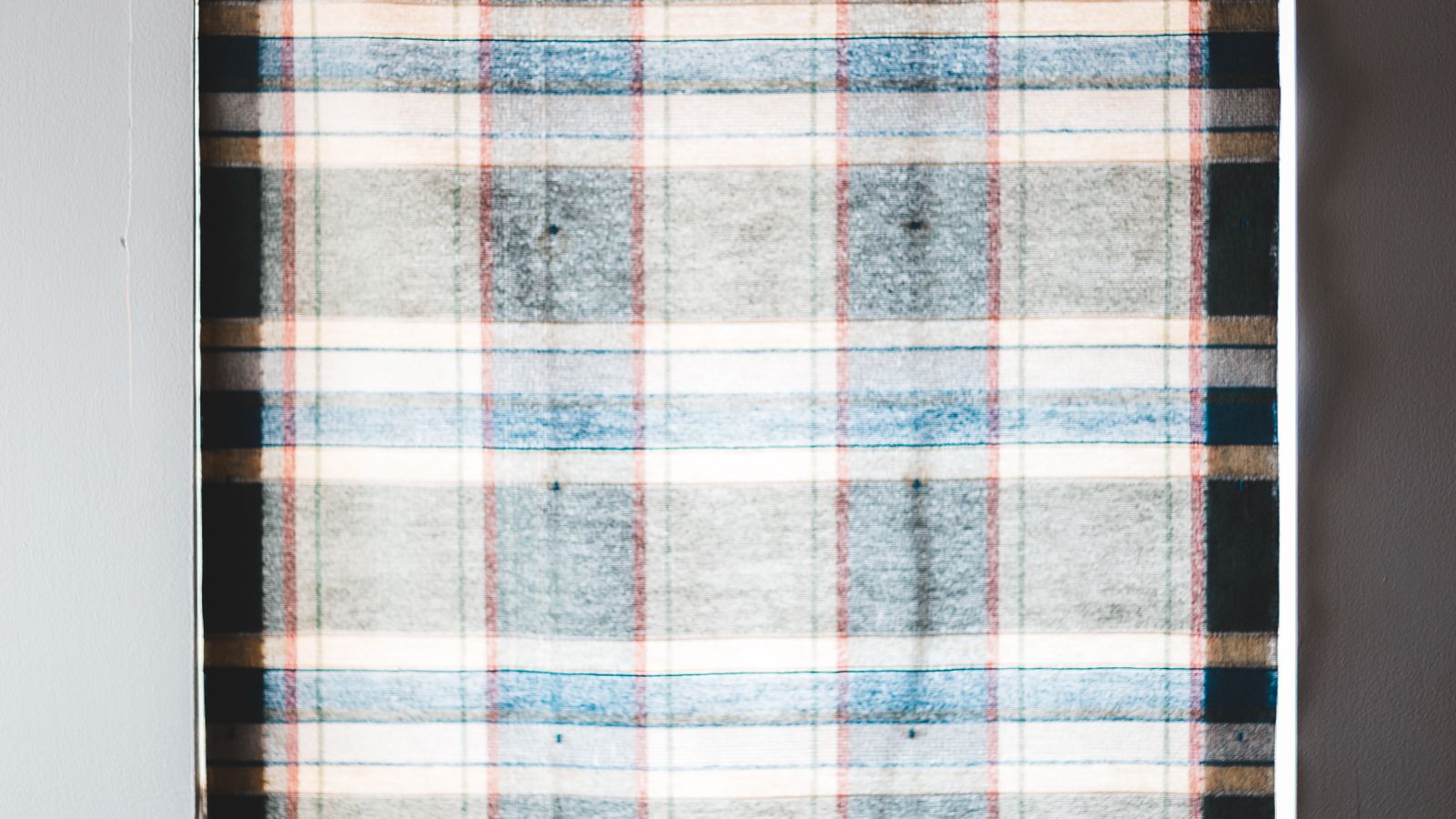
Motorized shades sit at the opposite end of the spectrum. You’re paying for the shade fabric or material itself, plus a motor, a control system (remote, wall switch, or smart-home app), and often professional installation if you’re integrating with existing home automation or running low-voltage wiring. The convenience payoff is real – no more reaching over a sink full of dishes to adjust a shade – but it’s the priciest category by a meaningful margin, and battery-powered or rechargeable motor units need periodic attention over the years.
Window Curtains
Curtains fall in the middle, though the range within this category is enormous. A simple rod-pocket panel in a basic cotton blend costs far less than a lined, tailored panel in a heavier fabric. Curtains also require a rod, brackets, and rings or clips, which add a modest hardware cost on top of the fabric itself. For kitchens specifically, look for washable or wipeable fabrics, since curtains near a stove or sink will pick up grease and moisture over time.
Step 3: Build a Realistic Line-Item Budget
Once you know roughly what category (or combination of categories) you want, break the budget into concrete line items rather than a single lump number. This makes it much easier to see where you can trim if the total runs over what you planned.
- Measure every window first. Width and height (or drop) determine how much fabric or how large a shade you need – this drives cost more than almost any other factor, so don’t skip it or estimate loosely.
- Price the treatment itself. Get quotes or shop listings for the specific style, fabric, and size combination you want, not a generic “average” price.
- Add hardware separately. Rods, brackets, rings, motor units, and mounting brackets are frequently sold separately from the fabric or shade itself – don’t assume they’re bundled.
- Factor in installation. A simple curtain rod is usually a DIY job. Motorized shades, especially hardwired or smart-home-integrated ones, may call for professional installation – get that quote in writing before committing to the shade itself.
- Set aside a contingency. A cushion of roughly 10-15% of your total budget covers surprises: a window that’s an odd size, a fabric that’s discontinued and needs a substitute, or extra hardware you didn’t anticipate.
Step 4: Decide Where to Splurge and Where to Save
Few homeowners can afford top-tier everything, so it helps to be intentional about where the extra spend actually shows. A few guidelines:
- Splurge on the window that gets the most attention. The kitchen sink window, if it’s a focal point, often deserves the nicer treatment over a secondary window that’s mostly hidden behind a cabinet or appliance.
- Save on hardware you’ll rarely see. A basic curtain rod finished in the right color reads the same from across the room as a premium one – spend more on visible fabric and finish quality instead.
- Mix categories strategically. Some kitchens do well with a functional blind or shade for actual light control paired with a lightweight valance or curtain panel purely for style – this often costs less than one all-in-one premium treatment while covering both function and appearance.
- Consider motorization only where it earns its keep. A motorized shade over a hard-to-reach window (above a sink, over an appliance, or in a tall arched opening) delivers real day-to-day value. On an easily reachable window, a manual option can look and function just as well for less money.
Step 5: Compare Long-Term Value, Not Just Sticker Price
A lower upfront price doesn’t always mean lower total cost. Consider these longer-term factors before finalizing your budget:
- Durability in a kitchen environment. Steam, grease, and sunlight all degrade fabric faster near a kitchen window than in other rooms. A cheaper fabric that fades or yellows within a year or two may cost more in replacements than a slightly pricier, more resistant option.
- Cleaning requirements. Machine-washable curtain panels are simple to maintain. Some motorized shade fabrics require spot-cleaning only, and valances with delicate trim may need hand-washing or dry cleaning – factor the ongoing time and cost into your decision.
- Motor and battery upkeep. Motorized shades typically need battery changes or recharging on a schedule, and while the motors themselves are generally reliable, replacement parts or servicing add a small ongoing cost that manual treatments don’t have.
- Resale and staging value. If you’re planning to sell your home in the next few years, well-chosen curtains or shades can improve how a kitchen photographs and shows, which is worth weighing against a strictly minimal budget approach.
Common Budgeting Mistakes to Avoid
- Forgetting hardware costs. Shoppers frequently price only the fabric or shade panel and are surprised when rods, brackets, or motor mounts add a significant amount on top.
- Skipping accurate measurements. Guessing at window dimensions often leads to ordering the wrong size, which means paying for a return, exchange, or a completely new order.
- Choosing motorization for every window. It’s tempting to make every shade “smart,” but motorized hardware for windows that are already easy to reach rarely justifies the added expense.
- Ignoring maintenance in the total cost. A treatment that looks cheap upfront but needs frequent cleaning, replacement batteries, or professional servicing can end up costing more over a few years than a slightly pricier, lower-maintenance option.
- Buying all your treatments in one style without comparing options. Spend a little time browsing curated picks across styles before committing – it’s much easier to spot a good value when you have a few real options side by side.
Putting Your Budget Into Action
Once you’ve set your priorities and line-item budget, start shopping with your numbers in hand rather than browsing first and rationalizing the price afterward. If you want a simple decorative topper without a full window commitment, a good place to start is the roundup of valances to compare current fabric and style options at a range of price points. For kitchens where hands-free convenience matters most – over a sink, above an appliance, or in a hard-to-reach spot – browse motorized shades to see which control systems and price tiers fit your setup. And if classic fabric panels are the direction you’re leaning, the guide to best window curtains for kitchens highlights washable, kitchen-appropriate options that hold up to daily cooking conditions.
Frequently Asked Questions
What’s the most budget-friendly window treatment for a kitchen?
A valance is usually the least expensive option since it uses less fabric and simpler hardware than full curtains, and it doesn’t require a motor or control system the way a motorized shade does. It works best paired with functional blinds if you also need real light control.
Are motorized shades worth the extra cost in a kitchen?
They’re most worth it over windows that are hard to reach by hand, like above a sink or a tall window near an appliance. For an easily reachable window, a manual shade, curtain, or valance can deliver a similar look for considerably less money.
How much should I set aside for hardware separately from fabric?
It varies by style, but plan for hardware (rods, brackets, rings, or motor mounts) as its own line item rather than assuming it’s included in the fabric or shade price – many retailers sell them separately.
Can I mix valances, curtains, and shades in the same kitchen?
Yes, and it’s a common way to balance budget and function. A functional shade for actual light control paired with a decorative valance or curtain panel for style is often more cost-effective than one premium all-in-one treatment, while still covering both needs.
How do I avoid overspending once I start shopping?
Set your line-item budget first, including a contingency for hardware and installation, and treat it as a ceiling rather than a starting point. Comparing a few curated options side by side, rather than buying the first appealing listing you find, also helps keep spending in line with your plan.