
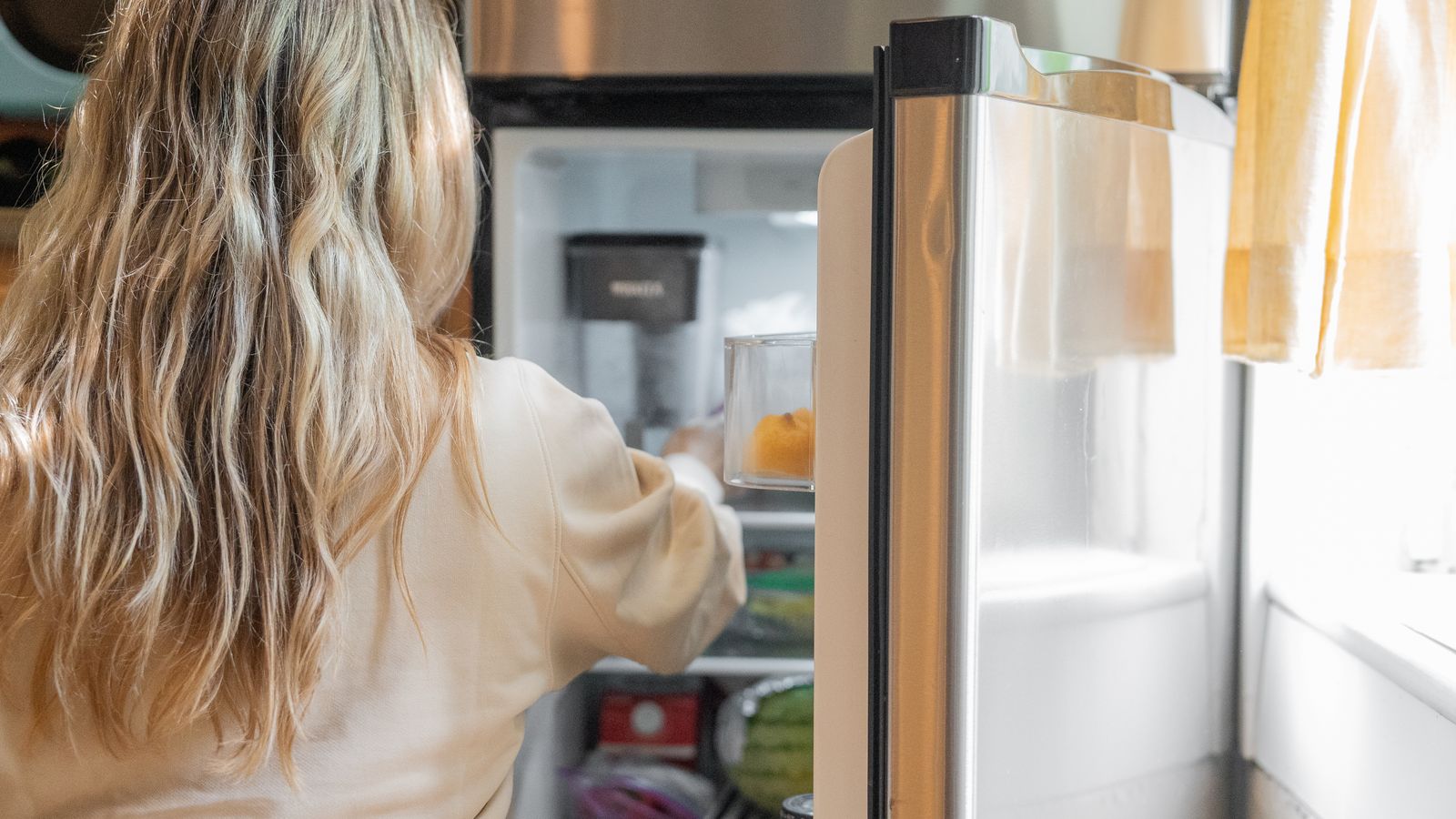
A compact refrigerator works hard in a small kitchen. With less interior space and often less airflow around the unit, spills, odors, and dust build up faster than they would in a full-size model tucked into a spacious pantry wall. Regular cleaning and a bit of preventive care not only keep your food fresher but also help your appliance run efficiently for years. This guide walks you through a complete cleaning routine, simple maintenance habits, and the mistakes to avoid so your refrigerators for small kitchens keeps performing like new.
Why Small Refrigerators Need Extra Care
Compact and small-kitchen refrigerators typically have tighter door seals, smaller compressors, and less ventilation clearance than standard models. This means dust and grime around the coils can affect cooling efficiency more noticeably, and a single spill inside a small interior can quickly turn into an odor problem because there is less air volume to dilute it. Because these units are often squeezed next to cabinets, under counters, or into a corner, owners also tend to skip the back-panel cleaning that larger fridges get during a kitchen deep clean. Building a short, regular routine solves both issues at once.
What You’ll Need Before You Start
Gather your supplies ahead of time so the job goes quickly and you are not searching for a rag with the fridge door propped open.
- A mild dish soap or a mix of warm water and baking soda
- Microfiber cloths or soft sponges (avoid abrasive scrubbers)
- A soft-bristle brush or an old toothbrush for gaskets and corners
- A vacuum with a brush attachment or a coil-cleaning brush
- White vinegar diluted with water for odor control
- A cooler or insulated bag to hold perishables during the clean
If your kitchen is tight on counter space, consider laying a fridge liner in your shelves and drawers ahead of your next clean – liners absorb spills and lift out for a quick rinse, which cuts your cleaning time dramatically on future rounds.
Step-by-Step: How to Clean Your Refrigerator
- Unplug the unit. For compact and small-kitchen refrigerators, always disconnect power before deep cleaning around the compressor, coils, or any electrical components. This protects you and prevents accidental temperature swings while the door stays open.
- Empty the fridge completely. Move perishable items into a cooler with ice packs. This is also a good moment to check expiration dates and toss anything past its prime – small fridges fill up fast, so a quick purge keeps your storage efficient.
- Remove shelves and drawers. Wash them in warm, soapy water in the sink. Let glass shelves come to room temperature first if the kitchen is cold, since a sudden temperature shock can crack glass.
- Wipe down the interior. Use a solution of one tablespoon of baking soda per quart of warm water. Wipe walls, the ceiling of the fridge, and every corner, paying close attention to the area around the crisper drawers where moisture tends to collect.
- Clean the door gaskets. Use a soft brush dipped in soapy water to clean the folds of the rubber seal, where crumbs and mold like to hide. Dry thoroughly, since a damp gasket won’t seal properly and can waste energy.
- Vacuum or brush the condenser coils. On most small refrigerators, coils are located either on the back panel or behind a bottom grille. Dust buildup here forces the compressor to work harder, which shortens the appliance’s lifespan. Clean coils every three to six months.
- Wipe the exterior and door handle. Use a damp cloth with mild soap for painted or plastic surfaces, or a stainless-steel-safe cleaner if your unit has a steel finish. Dry with a clean cloth to avoid streaking.
- Deodorize. Wipe the interior once more with a vinegar-water solution, then place an open box of baking soda or an activated charcoal deodorizer inside to absorb lingering odors going forward.
- Reload and restart. Once everything is dry, replace shelves and drawers, plug the unit back in, and return your food once the interior has reached a safe temperature again, usually within an hour.

Ongoing Maintenance Tips
Wipe Spills Immediately
In a compact fridge, a small spill can spread to nearby items fast simply because there is less room between shelves. Wiping it up right away prevents sticky residue from hardening and stops odors from developing before your next full clean.
Check the Door Seal Monthly
A worn or loose gasket lets cool air escape, forcing the compressor to run longer and raising your energy bill. Test it by closing the door on a piece of paper – if you can pull the paper out easily, the seal may need replacing.
Keep Airflow Around the Unit
Small kitchens often mean the fridge sits close to cabinets or walls. Leave at least a couple of inches of clearance on the sides and back whenever possible so heat generated by the compressor can dissipate properly.
Set the Right Temperature
Keep the interior between 37 and 40 degrees Fahrenheit. Running a fridge colder than necessary wastes energy and can freeze produce in the crisper drawers, while running it too warm shortens food shelf life.
Defrost When Needed
If your unit isn’t frost-free, check for ice buildup on the back wall or freezer compartment every few weeks. More than a quarter-inch of frost reduces storage space and cooling efficiency, so defrost before it becomes a thick layer.
Safety Notes
- Always unplug the refrigerator before cleaning near the compressor, coils, or any wiring.
- Never use sharp tools to chip away ice – this can puncture refrigerant lines and cause costly damage.
- Avoid bleach or ammonia-based cleaners inside the fridge, since residual fumes can linger and affect stored food.
- Let the interior fully dry before plugging the unit back in to avoid any risk of moisture near electrical components.
Common Mistakes to Avoid
- Skipping the coils. Dust buildup on condenser coils is one of the most common reasons small refrigerators run inefficiently or fail early.
- Using harsh chemicals. Strong cleaners can leave odors that transfer to food or damage plastic interior surfaces over time.
- Overpacking shelves. Compact units rely on airflow between items to cool evenly – cramming shelves full blocks circulation and creates warm spots.
- Ignoring the gasket. A neglected door seal is easy to overlook but directly affects both energy use and food freshness.
- Placing the fridge too close to a heat source. Stoves, ovens, and direct sunlight all make the compressor work harder, which shortens its lifespan.

When to Consider a Replacement
If your small refrigerator struggles to hold temperature even after a thorough cleaning, cycles constantly, or the door seal is cracked beyond repair, it may be more cost-effective to replace it than keep patching problems. Households comparing options for garages, home offices, or secondary spaces often look for units built for slightly rougher conditions – if that describes your situation, browsing the best refrigerators for garages can be a useful next step for a temperature-resilient backup unit.
Frequently Asked Questions
How often should I clean my small refrigerator?
Wipe up spills immediately and do a full interior clean every one to two months. Clean the condenser coils every three to six months, depending on how dusty your kitchen environment is.
What’s the best homemade cleaner for the inside of a fridge?
A simple mix of baking soda and warm water is effective and food-safe. Follow with a light vinegar-water wipe for extra odor control.
Why does my small refrigerator smell even after cleaning?
Odors often come from the door gasket, drip tray, or drain hole, which are easy to miss during a standard wipe-down. Check these spots and leave an open box of baking soda inside between cleanings.
Can I use a regular vacuum to clean the coils?
Yes, a vacuum with a brush attachment works well. For tighter spaces, a dedicated coil-cleaning brush can reach dust that a vacuum nozzle alone might miss.
Is it normal for a small fridge to run more often than a full-size one?
Compact compressors cycle more frequently because they have less thermal mass to buffer temperature changes. As long as the interior stays within the recommended range, this is normal operation, not a sign of a problem.
Final Thoughts
Keeping a small-kitchen refrigerator clean doesn’t require a major time investment – a consistent routine of wiping spills, checking the gasket, and clearing dust from the coils goes a long way toward extending the appliance’s life and keeping your food fresh. Pair that routine with smart accessories like fridge liners, and you’ll spend far less time on deep cleans down the road.