Shopping for a refrigerator when your kitchen is the size of a walk-in closet is a different game than shopping for a family home. Doorways, hallway turns, tight counter clearances, and shared building elevators all limit what you can actually get into the unit – and once it’s in, you need it to hold a real week of groceries without eating your entire floor plan. This guide walks you through a simple, repeatable process for picking the right refrigerator for an apartment or other small space, step by step.
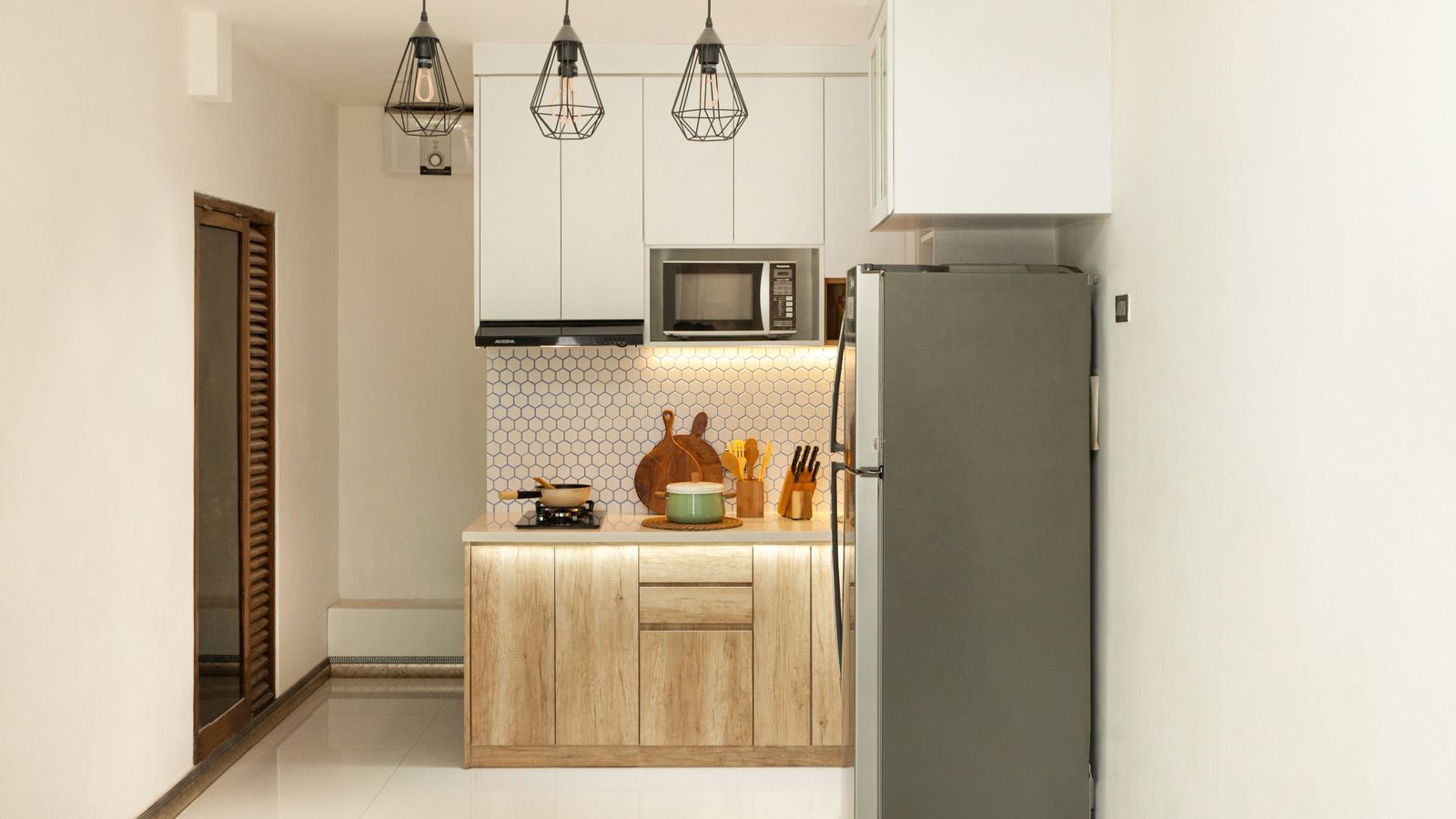
Step 1: Measure Your Space Before You Measure Anything Else
Before you look at a single model, grab a tape measure and record three numbers: the width, depth, and height of the space where the fridge will live, plus the width of every doorway, hallway, and stairwell the unit has to travel through to get there. Apartment delivery routes are often narrower than the final footprint, so a refrigerator that technically fits your kitchen nook can still get stuck at the front door.
- Measure width at the narrowest point of the opening, not just the visible gap.
- Leave at least 1 inch of clearance on each side and roughly 1 inch behind for airflow, unless the manufacturer specifies otherwise.
- Check ceiling height if you have upper cabinets – some counter-depth models need extra top clearance for the door to swing past hinges.
- Note which way the door needs to swing (left or right) based on your layout, and confirm whether the model you like has a reversible door hinge.
Step 2: Decide Between Compact, Counter-Depth, and Standard Sizes
Apartments generally fall into three refrigerator categories, and knowing which one fits your situation early saves a lot of browsing time later.
Compact and Mini Refrigerators
These typically range from 1.7 to 4.5 cubic feet and are built for studios, dorm-style layouts, or as a secondary fridge in a home office or bar area. They’re inexpensive and easy to move, but storage is limited – expect room for basics, not a full grocery run.
Apartment-Size (Compact Full-Size) Refrigerators
Usually between 7 and 12 cubic feet, these narrower units are designed specifically for small kitchens. They fit standard 24-inch-wide cabinet openings and still offer a real freezer compartment, crisper drawers, and enough shelving for a small household.
Counter-Depth Refrigerators
These are full-height, full-capacity models that are shallower than standard fridges so they sit flush with your counters instead of jutting out. They look built-in and save walking space in a narrow galley kitchen, though you typically pay more for the same capacity you’d get in a deeper unit.
If your apartment kitchen is genuinely tight on floor space, start your search with the curated picks in our guide to refrigerators for apartments, which focuses specifically on models sized for these layouts.
Step 3: Match Capacity to How You Actually Cook
It’s tempting to buy the biggest fridge that fits, but capacity should match your habits, not just your available square footage.
- Solo or couple, minimal cooking: 7-10 cubic feet is usually plenty for fresh produce, dairy, and leftovers between grocery trips.
- Couple who cooks regularly or has occasional guests: aim for 10-14 cubic feet so you’re not restocking every two days.
- Roommates or a small family in a compact unit: look for 14-18 cubic feet if your kitchen layout can accommodate it, since shared households empty a fridge faster than expected.
A rough industry rule of thumb is about 4 to 6 cubic feet of fridge space per adult in the household, adjusted up if you meal-prep, batch-cook, or buy groceries in bulk.
Step 4: Choose the Right Configuration for a Small Kitchen
Configuration affects both usability and how much floor clearance the door swing eats up.
Top-Freezer
The most space-efficient and typically the most affordable layout. A single door swing on each section keeps clearance needs low, which matters in a tight galley kitchen.
Bottom-Freezer
Puts fresh food at eye level, which is convenient if you access the fridge more than the freezer. It usually costs a bit more than a top-freezer model of the same size.
Side-by-Side
Narrower doors that need less clearance to swing open, which can be an advantage in a cramped kitchen even though the shelves themselves are narrower and less suited to wide platters or sheet pans.
French Door
Offers wide, flexible shelving and narrower individual door swings than a single-door fridge of the same width, but the units themselves tend to be larger overall, so they fit fewer small apartments.
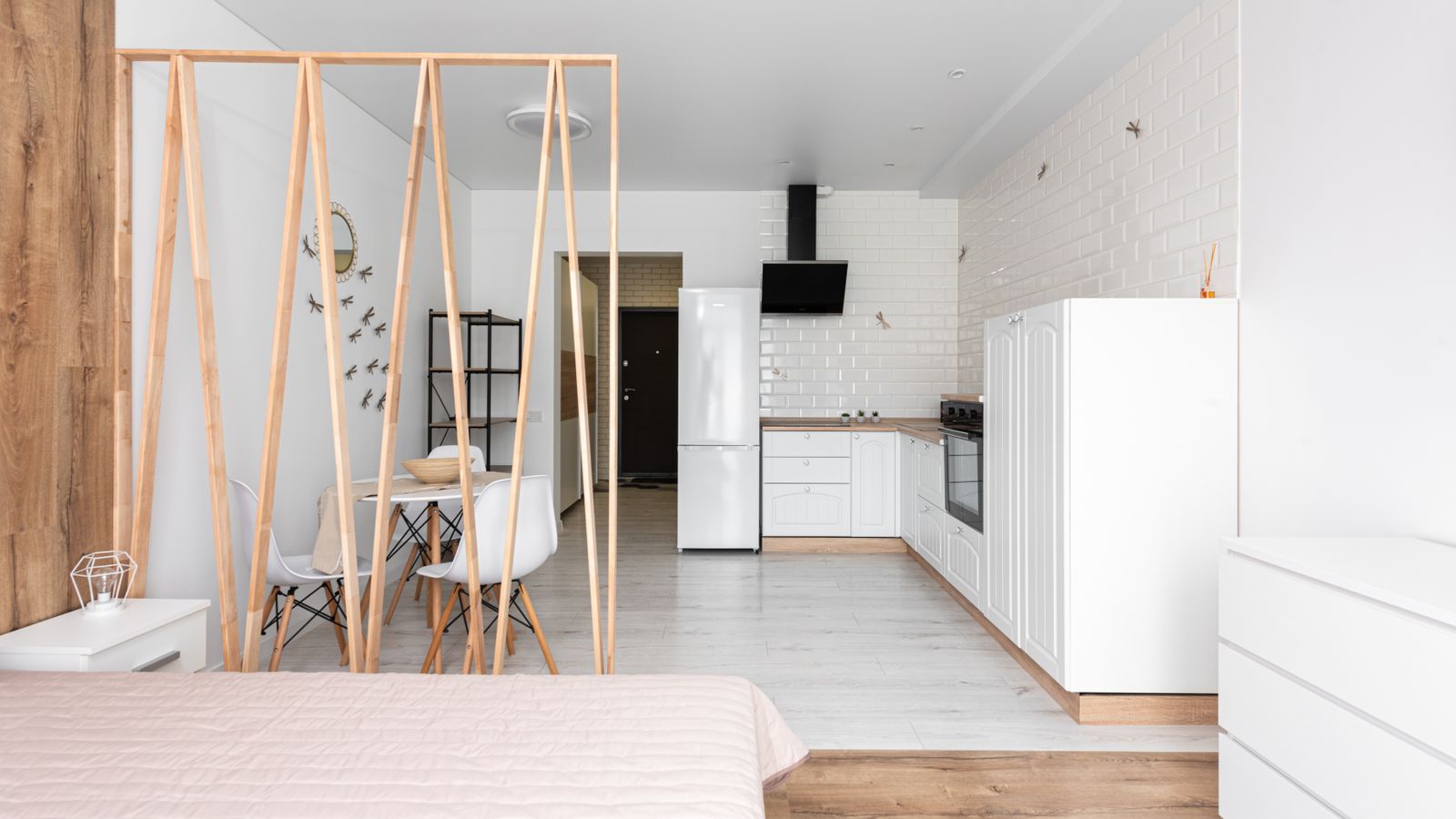
Step 5: Check Ventilation, Reversible Doors, and Noise Level
Small kitchens often place the fridge close to walls, cabinets, or even a stove, so a few technical details matter more than they would in a spacious home.
- Ventilation clearance: Follow the manufacturer’s minimum air gap around the back and top of the unit – blocking it can strain the compressor and shorten the fridge’s lifespan.
- Reversible door hinges: Many apartment-size models let you swap the door swing direction on-site, which can be the difference between a fridge that works with your layout and one that constantly blocks a walkway.
- Noise level: In an open-plan studio, a noisy compressor is much more noticeable than in a house with a separate kitchen. Look for published decibel ratings in the low-to-mid 40s or lower if quiet operation matters to you.
- Energy efficiency: A smaller footprint doesn’t always mean lower energy use – compare estimated annual kWh figures, especially if your unit includes utilities in rent or you pay for electricity separately.
Step 6: Plan the Move-In Logistics
Getting a refrigerator up a narrow apartment stairwell or into a small elevator is often the hardest part of the whole process.
- Confirm elevator interior dimensions and weight limits with your building management before ordering, if you’re above the ground floor.
- Ask the retailer or moving company whether the unit can be tilted no more than 45 degrees during transport – tilting further can damage the compressor.
- Let the fridge sit upright for several hours before plugging it in if it was transported on its side, to let refrigerant settle back into place.
- Schedule delivery on a day when you can supervise the doorway and hallway route, especially in older buildings with tight turns.
Common Mistakes to Avoid
- Measuring only the final spot, not the delivery path. A fridge that fits your kitchen nook is useless if it can’t get through the front door or around a hallway corner.
- Ignoring door swing clearance. In a small kitchen, a wide-swinging door can block a cabinet, drawer, or walkway every time you open it.
- Buying based on price alone. A slightly larger budget often buys meaningfully better insulation, quieter operation, and more usable interior shelving.
- Overlooking basement or below-grade placement needs. If your unit is partially below ground level, humidity and temperature swings can affect performance – our guide to refrigerators for basements covers what to look for in those conditions.
- Assuming all “small” fridges are apartment-ready. A mini fridge and an apartment-size fridge serve very different needs – don’t downsize further than your actual grocery habits require.
Quick Decision Checklist
- Have you measured the delivery path, not just the final placement spot?
- Does the capacity match your household size and cooking habits, not just what fits?
- Have you confirmed the door swing direction works with your layout, and whether it’s reversible?
- Have you checked ventilation clearance requirements against your available wall space?
- Have you compared noise ratings if the fridge will sit in or near a living area?
If your entire kitchen footprint is tight rather than just the fridge nook, it’s worth browsing our broader roundup of best refrigerators for small kitchens for models built around compact layouts from the ground up.
Frequently Asked Questions
What size refrigerator is best for a small apartment?
For most one- or two-person households, an apartment-size refrigerator in the 7 to 12 cubic foot range strikes the best balance between storage capacity and footprint. Larger households in compact units should look toward 14 cubic feet or more if the kitchen layout allows it.
Do counter-depth refrigerators actually save space?
They save walking and clearance space by sitting flush with your cabinets rather than protruding into the room, which matters in narrow galley kitchens. They don’t necessarily save floor footprint, since the width and height are usually similar to standard models.
Can a full-size refrigerator fit through a standard apartment doorway?
Most standard 30-inch-wide refrigerators can pass through a standard 32- to 36-inch doorway, but hallway turns, tight stairwells, and small elevators are the more common obstacles. Always measure the full delivery path, not just the doorway width.
Is it worth paying more for a quieter refrigerator in an apartment?
In open-plan or studio apartments where the kitchen isn’t separated from the living space, yes – a noisy compressor becomes a constant background disturbance. Check the manufacturer’s published decibel rating before buying if noise is a concern.
How much clearance does a refrigerator need behind and above it?
This varies by model, but a common guideline is roughly 1 inch on the sides and back and slightly more on top for heat dissipation. Always check the specific installation manual, since blocking airflow can shorten the compressor’s lifespan.
Final Thoughts
Picking the right refrigerator for an apartment comes down to matching three things: the physical space you have (including the path to get it there), the capacity your household actually uses, and a configuration that won’t fight your layout every time you open the door. Take the extra ten minutes to measure properly and think through door swing and delivery logistics before you buy – it’s far cheaper than dealing with a return or a fridge that never quite fits right.