
Pilling is one of those laundry problems that sneaks up on you. A sweater looks perfect in the store, survives a few washes, and then suddenly the sleeves and underarms are covered in little fuzzy balls that make even your favorite pieces look tired and worn. A fabric shaver is the fastest, cheapest fix for this – but only if you buy the right one for your fabrics and your budget. Not every de-pilling tool works the same way, and picking the wrong model can mean snagged threads, thin spots, or a device that dies after a month of light use. This guide walks you through exactly how to choose a fabric shaver that fits your laundry care routine, from the type of motor inside to the blade guard that keeps your clothes safe.
What a Fabric Shaver Actually Does
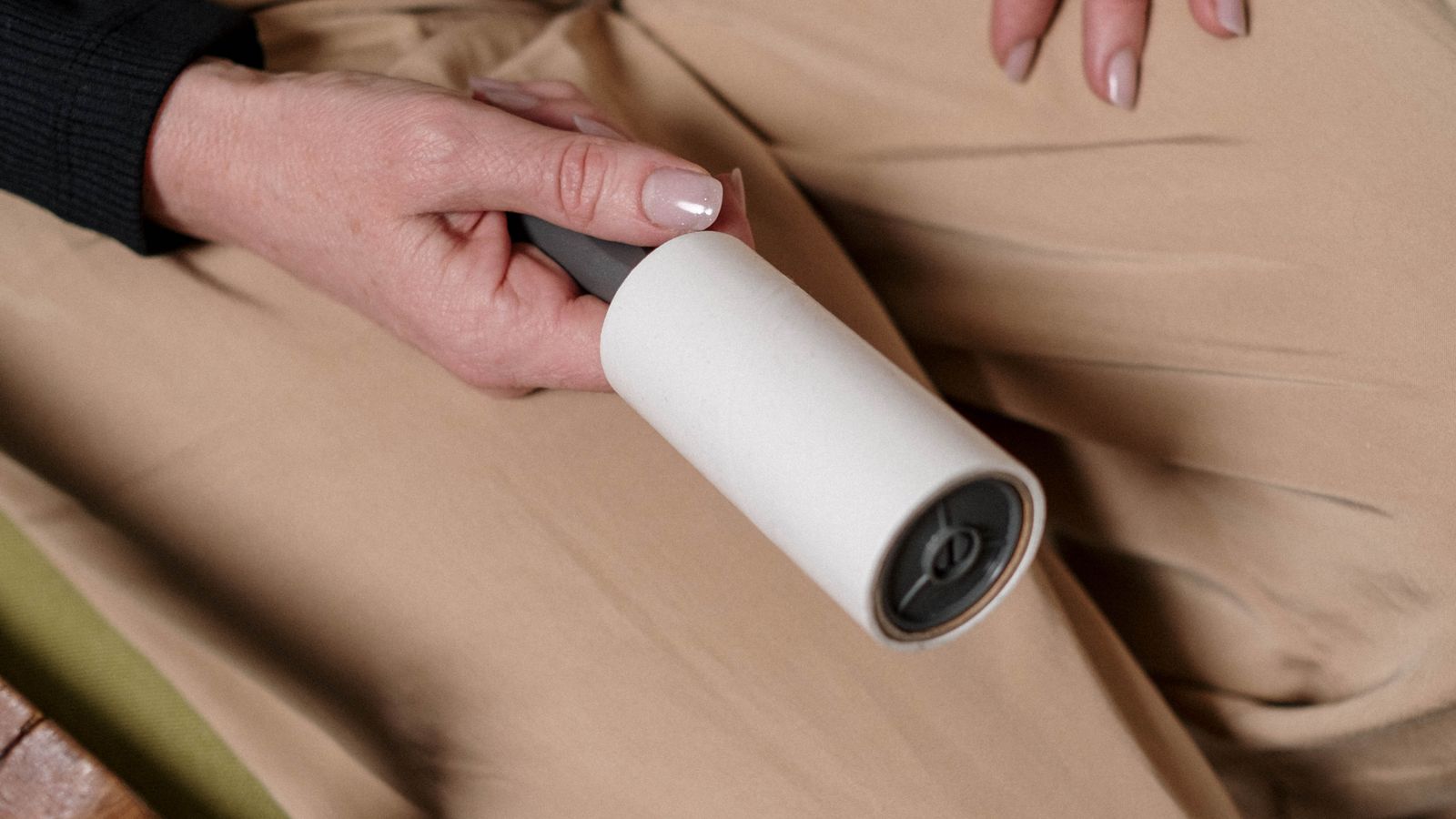
A fabric shaver – sometimes called a lint shaver, sweater shaver, or de-piller – uses a small spinning blade behind a protective mesh guard to trim off the little fuzz balls (called pills) that form when fibers rub together and tangle. Unlike a lint roller, which only picks up loose debris sitting on top of fabric, a fabric shaver actually cuts away the raised pills at the fiber level, restoring a smoother, newer-looking surface. It’s a maintenance tool, not a repair tool, so it works best as a regular part of your laundry routine rather than a one-time rescue for badly worn garments.
Step 1: Identify the Fabrics You’ll Be Treating Most
Before you shop, make a mental list of what you actually own the most of – wool sweaters, cotton throws, fleece jackets, upholstered furniture, or a mix of everything. This matters because fabric shavers are not one-size-fits-all:
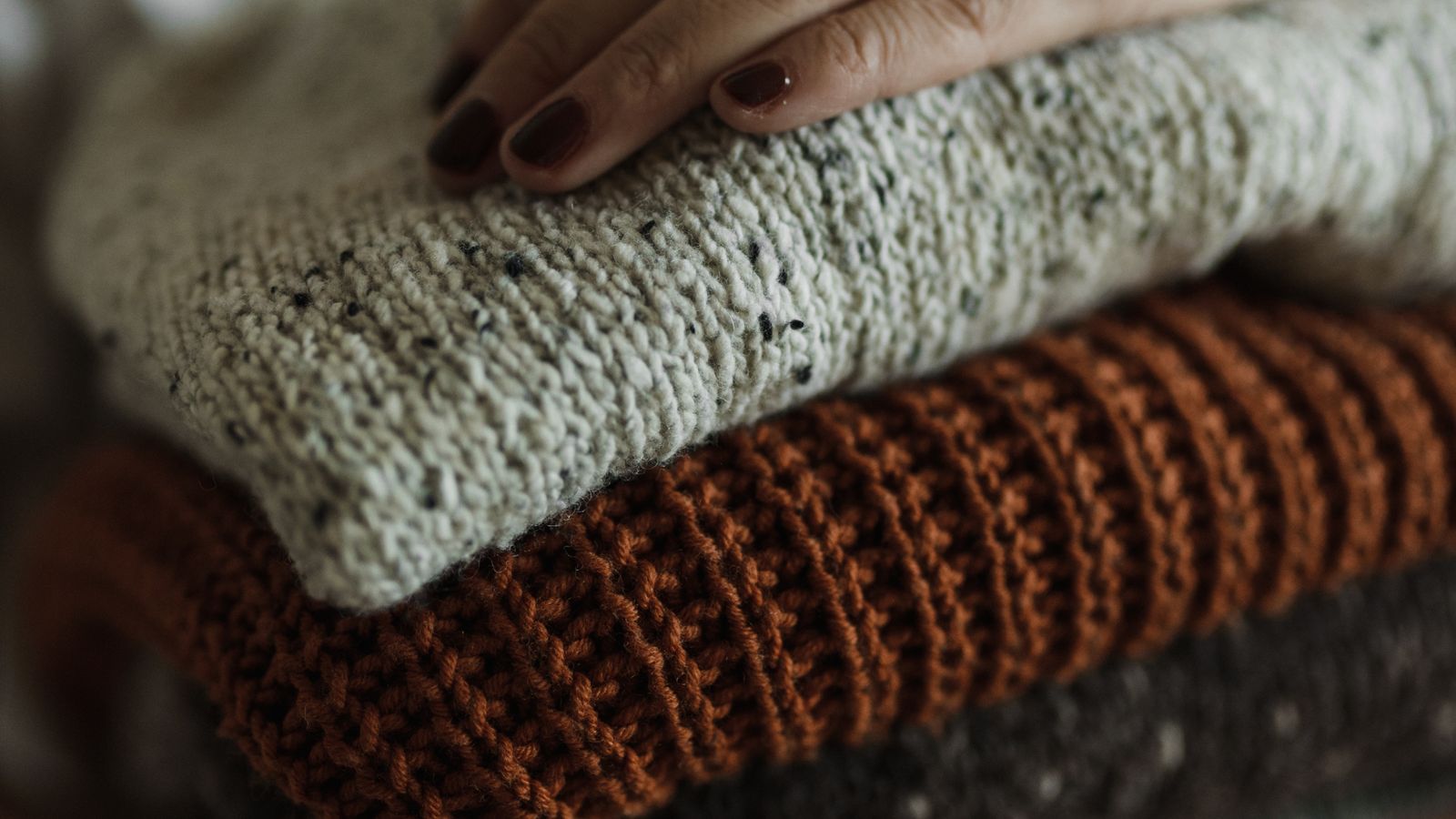
- Delicate knits (wool, cashmere, angora): Need a shaver with adjustable blade depth and a gentle, low-speed setting to avoid thinning already-soft fibers.
- Heavier fabrics (fleece, cotton sweatshirts, bedding): Can handle a more powerful motor and a larger cutting head for faster coverage.
- Upholstery and car interiors: Benefit from a corded or higher-wattage model that can run continuously without losing power.
If your routine mixes several fabric types, prioritize a shaver with multiple blade-depth settings so you can dial it back for delicate items and turn it up for heavier textiles.
Step 2: Decide Between Battery, Corded, or Rechargeable Power
Power source affects convenience, run time, and long-term cost:
Battery-Powered (Disposable Batteries)
These are usually the cheapest option upfront and easy to find in any store. The downside is ongoing battery costs and inconsistent power as batteries drain – a shaver that starts strong can slow down noticeably after 20-30 minutes of use.
Rechargeable (USB or Dock)
Rechargeable models cost more initially but pay for themselves if you shave fabrics regularly. Look for a battery life of at least 60-90 minutes per charge and a quick-charge feature if you tend to forget to plug things in ahead of time.
Corded
Corded fabric shavers never lose power mid-session, which makes them a good choice for large projects like re-shaving an entire couch or a stack of blankets. The trade-off is reduced portability – you’re tied to an outlet and a cord length.
Step 3: Compare Blade and Guard Designs
The cutting mechanism is the heart of the tool, and small design differences matter more than they might seem.
- Stainless steel blades stay sharper longer than standard metal and resist rust if the tool ever gets damp from being used on freshly washed items.
- Adjustable blade depth lets you set a shallow cut for delicate sweaters and a deeper cut for thick fleece, reducing the risk of snagging or cutting through fabric entirely.
- Mesh guard hole size determines how much fabric the blade can reach – smaller holes are gentler and safer for delicate knits, while larger holes remove pills faster on sturdier materials.
- Removable, washable heads make cleanup easier and extend the tool’s usable life, since trapped lint and fibers are the most common cause of a fabric shaver losing suction or clogging up.
Step 4: Consider Size, Shape, and Storage Container
Fabric shavers range from small handheld pucks that fit in a pocket to larger, two-handed units built for speed. A compact shaver is easier to store in a drawer alongside your other best laundry detergent sheets and laundry essentials, while a larger model may cover more surface area per pass but take up more shelf space. Many shavers also include a built-in lint collection container – check that it’s easy to empty, since a full container can reduce suction and pilling-removal effectiveness.
Step 5: Match Noise Level and Speed Settings to Your Routine
If you plan to de-pill clothes in a shared space, apartment, or while others are sleeping, look for a model advertised as “quiet operation” – motor noise varies significantly between brands. Multiple speed settings are also worth prioritizing: a low-speed mode for cashmere and delicate blends, and a high-speed mode for quickly refreshing heavier throws, towels, or upholstery.
Step 6: Test on an Inconspicuous Spot First
Once you’ve chosen a shaver, don’t run it across the front of your favorite sweater right away. Follow this simple testing routine every time you use a fabric shaver on a new garment or fabric type:
- Lay the garment flat on a hard, stable surface.
- Choose a hidden area – an inner seam, cuff, or hem – to test first.
- Set the blade depth to the lowest setting for delicate fabrics.
- Glide the shaver in light, even strokes without pressing down hard.
- Check the tested spot for thinning or snags before moving to visible areas.
- Gradually increase pressure or blade depth only if the fabric holds up well.
Safety Notes and Common Mistakes to Avoid
- Don’t press too hard. Let the blade do the work – excessive pressure is the leading cause of accidental holes and thinning.
- Avoid shaving wet fabric. Fibers behave differently when damp, and it increases the risk of clogging the blade housing.
- Don’t skip fabric checks. Very thin or loosely knit fabrics can be damaged even on the lowest setting; always spot-test first.
- Clean the blade and guard after every few uses. Trapped lint dulls the blade faster and can cause overheating in battery-powered models.
- Keep it away from buttons, zippers, and embellishments. These can damage the blade or guard almost instantly.
Step 7: Factor Pilling Prevention Into the Bigger Picture
A fabric shaver treats pilling after it happens, but your broader laundry routine determines how often pilling occurs in the first place. Washing on gentler cycles, turning knitwear inside out, and using a mesh laundry bag for delicate items all reduce friction between fibers. If you dry sweaters and fleece in a machine, a gentler drying method – such as the lower, more controlled heat settings found on modern heat pump dryers – can also help minimize the friction and heat exposure that accelerates pilling over time. Pairing smart washing habits with occasional fabric-shaver maintenance keeps clothes looking newer for much longer.
Quick Buyer’s Checklist
- Does it have adjustable blade depth for both delicate and heavy fabrics?
- Is the power source (battery, rechargeable, or corded) right for how often you’ll use it?
- Are the blade and lint container easy to remove and clean?
- Does it offer multiple speed settings for different fabric types?
- Is the noise level acceptable for where and when you’ll use it?
- Does it come with a safety guard rated for delicate knits if that’s your main need?
If you want to browse specific models before deciding, this roundup of fabric shavers compares options across price points and blade designs, making it easier to match a model to the fabrics you care for most.
Frequently Asked Questions
How often should I use a fabric shaver on the same garment?
Most garments only need de-pilling every few wears once pills start to form – over-shaving the same spot repeatedly can thin the fabric unnecessarily. Treat it as a light touch-up, not a deep clean.
Can a fabric shaver damage clothes?
Yes, if used incorrectly – pressing too hard, using too high a blade depth on delicate fabric, or running it over the same spot repeatedly can cause thinning or small holes. Always spot-test and start on the lowest setting.
Are battery or rechargeable fabric shavers better?
It depends on how often you’ll use it. Occasional users often do fine with battery-powered models, while anyone maintaining a large wardrobe or household linens will get more value from a rechargeable model with a longer run time.
Can I use a fabric shaver on upholstery or car seats?
Many models are safe for upholstery, but check the manufacturer’s guidance first – some blade guards are designed specifically for lighter garment fabrics and may not hold up to heavier upholstery fibers over time.
Why does my fabric shaver keep clogging?
Clogging usually happens when the lint container fills up or fibers wrap around the blade. Empty and clean the head after every use, especially when treating fuzzy or heavily pilled fabrics.
Choosing the right fabric shaver comes down to matching the tool’s power, blade depth, and guard design to the fabrics you actually own. A little research upfront – and a consistent, gentle testing habit – means your sweaters, throws, and upholstery stay smooth and fresh-looking for years instead of ending up in the donation pile after a single pilling season.