Most cleaning cabinets grow by accident. A specialty spray gets added for one stain, a backup bottle gets bought before the old one is empty, and within a year the shelf is a jumble of half-used products that overlap in purpose. Downsizing that cabinet isn’t about cleaning less — it’s about cleaning smarter with fewer, more versatile products that still cover every surface in your home. Done right, a smaller cabinet actually improves your routine: you spend less time digging for the right bottle and more time actually cleaning.
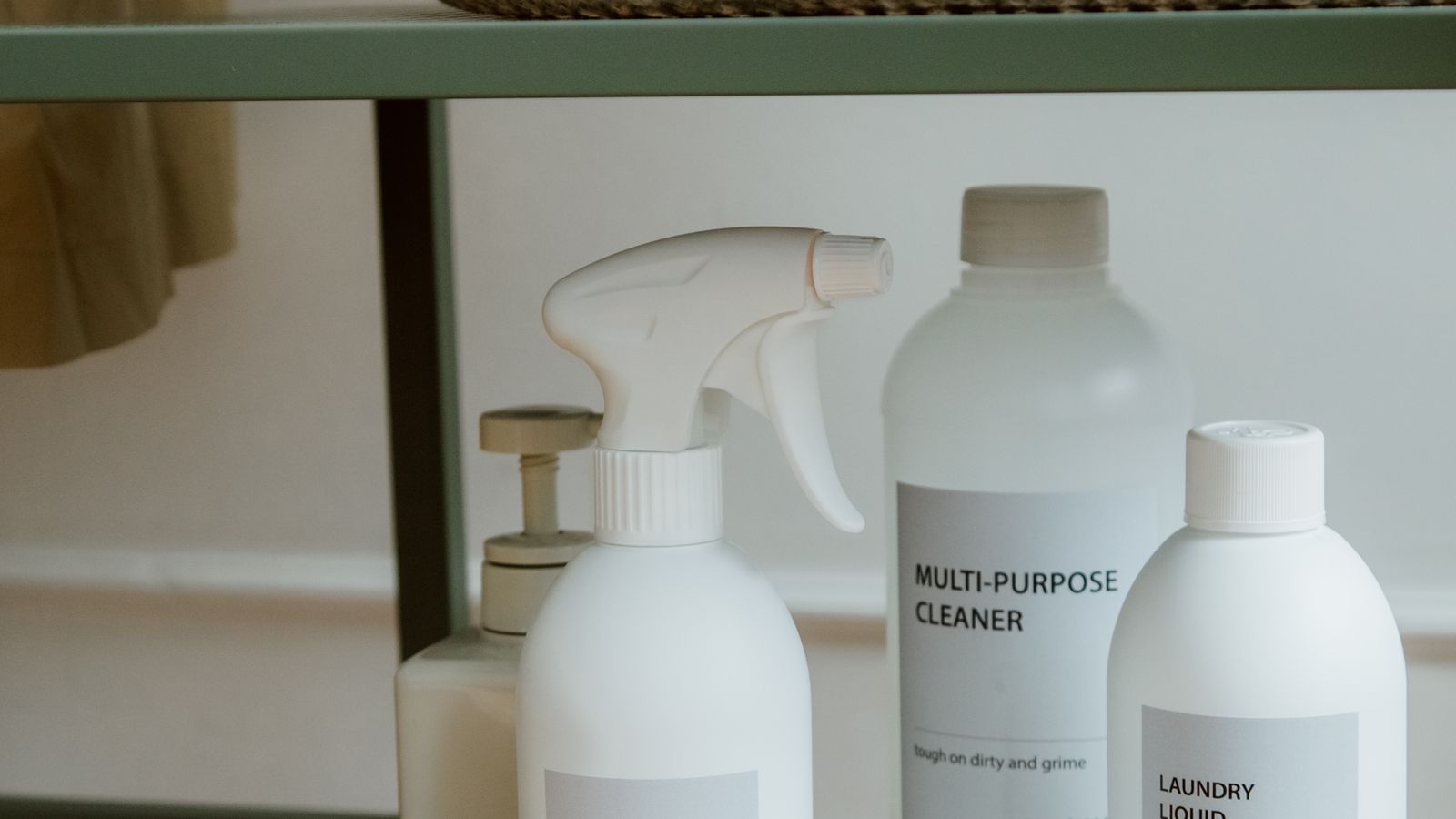
This guide walks through a practical process for auditing what you own, consolidating overlapping products, and rebuilding a compact cabinet that still handles kitchens, bathrooms, floors, upholstery, and everyday odor control without gaps.
Why Cleaning Cabinets Get Overcrowded
Cleaning supplies accumulate for a few predictable reasons: single-use products bought for a one-time job, duplicate purchases because the existing bottle was buried, and marketing that convinces us we need a different formula for every surface. Over time, a cabinet meant to hold six or seven essentials balloons into twenty-plus containers, many of them nearly empty, expired, or redundant with something else on the shelf.
The fix isn’t willpower — it’s a system. Once you know exactly which products earn their space, restocking becomes intentional instead of reactive, and the cabinet stays lean on its own.
Step 1: Pull Everything Out and Take Inventory
Start by removing every bottle, spray, wipe container, and tool from the cabinet and laying them out somewhere you can see all of them at once — a countertop or the floor works fine. This single step is usually the most eye-opening part of the process, because it reveals just how much duplication exists.
- Group items by purpose: bathroom, kitchen, floors, glass, fabric/upholstery, odor control, and general-purpose.
- Check expiration dates or manufacture dates where printed — many cleaning formulas lose effectiveness after 1-2 years.
- Set aside anything less than a quarter full; these are prime candidates to finish up and not repurchase.
- Note any products you haven’t touched in the last six months — that’s a strong signal they’re not essential.
Step 2: Identify Overlap and Redundant Products
Most cabinets contain several products doing the same job with different labels. A “bathroom cleaner,” a “tub and tile spray,” and a “mildew remover” often tackle nearly identical soap scum and grime. Rather than keeping all three, pick the single formula that performs best across those tasks and let the others run out without replacement.
Common overlap categories to watch for:
- All-purpose cleaners: Usually one bottle can replace three or four “specialty” surface sprays.
- Glass and mirror cleaners: A single glass cleaner works on windows, mirrors, and stainless steel appliances.
- Bathroom-specific sprays: Tile, tub, and grout cleaners frequently share the same active ingredients.
- Odor sprays: Fabric refreshers, air fresheners, and pet odor sprays often duplicate function.
If you struggle with recurring grout discoloration despite a general bathroom cleaner, a dedicated option like tile grout whiteners can be worth keeping as the one true specialty product in your lineup — it solves a problem general cleaners can’t, rather than duplicating one they already solve.
Step 3: Build a Core Kit of Multi-Purpose Products
The goal of downsizing is coverage, not sacrifice. A well-chosen set of five to seven products can realistically handle everything a typical home needs:
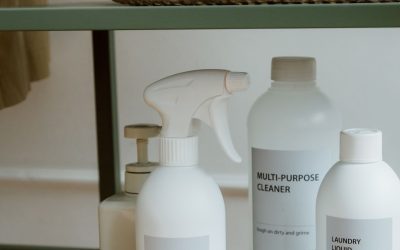
- An all-purpose cleaner for counters, appliances, and general wipe-downs.
- A bathroom-specific cleaner for tubs, sinks, and toilets.
- A glass cleaner for windows, mirrors, and shiny surfaces.
- A floor cleaner matched to your flooring type (hardwood, tile, or laminate).
- A degreaser for stovetops and kitchen buildup.
- A microfiber cloth or reusable wipe system to reduce single-use paper products.
- One odor-control product for fabric, carpet, or general household smells.
For that last category, a concentrated option such as one of the gel odor removers is worth considering — a single gel container placed in a closet, cabinet, or laundry area can replace several aerosol sprays and lasts considerably longer, which directly supports the goal of fewer containers taking up shelf space.

Step 4: Address Upholstery and Fabric Care Separately
Fabric and upholstery stains are one of the few categories that genuinely need a dedicated product — general surface cleaners aren’t formulated for fibers and can leave residue or discoloration on couches, chairs, and car interiors. Rather than keeping three or four fabric-related sprays, standardize on one reliable formula.
If your current cabinet has separate products for pet stains, general fabric refreshing, and spot-cleaning upholstery, consolidating around one of the best upholstery sprays usually covers all three needs. This keeps your fabric-care shelf to a single bottle instead of a row of near-identical sprays.
Step 5: Choose Concentrated or Refillable Formats
Container count matters as much as product count when you’re trying to shrink a cabinet. Concentrated cleaners that you dilute yourself take up a fraction of the space of ready-to-use sprays, and refillable spray bottles mean you’re not storing five nearly-identical plastic containers for the same formula.
- Look for concentrate bottles that mix with water in a reusable spray bottle — one small bottle can replace several full-size sprays.
- Switch from single-use wipes to a washable microfiber system where practical.
- Consolidate tools (brushes, scrubbers, dusters) to one multi-use option per category instead of several near-duplicates.
Step 6: Design Storage That Enforces the Limit
A downsized cabinet stays downsized only if the storage itself creates a boundary. Once you’ve settled on your core kit:
- Use a caddy or tray sized for exactly the number of bottles in your core kit — no extra room means no room for clutter to creep back in.
- Store like with like: bathroom products together, kitchen products together, fabric/odor products together.
- Label shelves or bins by category so new purchases have an obvious “no room” signal before they’re bought.
- Keep a small reserve shelf for genuine backups (one extra of each core product), not a growing pile of “just in case” items.
Step 7: Set a One-In, One-Out Rule
The easiest way to prevent the cabinet from creeping back to its old size is a simple household rule: before buying a new cleaning product, an old one has to be finished and not repurchased, or actively removed from the shelf. This keeps the total count stable over time and forces every new purchase to be a genuine replacement rather than an addition.

Common Mistakes When Downsizing
- Tossing usable products instead of using them up: Downsizing works best when you finish what you have before switching to a leaner system, so you’re not wasting money or creating unnecessary waste.
- Cutting a genuinely specialized product: Not every specialty item is redundant — grout whiteners, upholstery formulas, and certain odor treatments solve problems general cleaners can’t.
- Buying a new “all-in-one” without testing it: Multi-surface claims aren’t always accurate. Test a new consolidated product on a small area before fully replacing a trusted specialty cleaner.
- No storage boundary: Without a fixed caddy size or shelf limit, the cabinet will slowly refill with new “just in case” purchases.
Safety Notes When Consolidating
When combining or discarding cleaning products, never mix chemicals together, even when emptying bottles for disposal — bleach-based and ammonia-based products in particular should never be combined, as they can produce harmful fumes. Rinse empty spray triggers before reusing them for a diluted concentrate, and always check that a container is safe for the new product’s chemical makeup before repurposing it. Store your final, downsized kit somewhere out of reach of children and pets, and keep original labels visible so every product is easy to identify at a glance.
Frequently Asked Questions
How many products should a downsized cleaning cabinet actually have?
Most households can cover every regular cleaning task with five to seven core products: an all-purpose cleaner, a bathroom cleaner, a glass cleaner, a floor cleaner, a degreaser, a fabric/upholstery product, and one odor-control item. Specialty items like grout whiteners can be added if a specific recurring problem justifies the extra bottle.
Will fewer products mean my house isn’t as clean?
No — the goal is choosing more versatile formulas, not cleaning less thoroughly. A well-chosen all-purpose cleaner and a couple of targeted specialty products typically outperform a disorganized shelf of a dozen overlapping sprays, because you’re more likely to actually use the right product consistently.
What should I do with half-used bottles I’m removing from the cabinet?
Use them up in their intended role before discarding the empty container, or consolidate small leftover amounts of the same formula into one bottle if the product type matches. Avoid pouring different chemical types together under any circumstances.
How often should I re-audit the cabinet after downsizing?
A quick check every three to six months is usually enough — pull everything out, confirm nothing has crept back to duplicate status, and restock only what’s genuinely running low.
Is it worth switching to concentrated cleaners for a small cabinet?
Yes, especially in tight spaces. One concentrate bottle diluted into a reusable spray bottle can replace several ready-to-use sprays, cutting both the number of containers and the overall shelf footprint significantly.
Final Thoughts
Downsizing a cleaning supply cabinet is less about owning fewer things and more about owning the right things. By auditing what’s actually being used, consolidating overlapping formulas into versatile multi-purpose products, and keeping a small set of genuine specialty items for jobs general cleaners can’t handle, you end up with a cabinet that’s easier to navigate and just as capable — if not more so — than the cluttered version it replaced.