A good pet odor eliminator only works if it still works when you reach for it. Sprays lose potency, enzyme formulas can degrade, and improper storage can turn a reliable odor fighter into a watered-down, ineffective liquid right when you need it most – after a carpet accident or a stubborn litter box smell. Storing your pet odor eliminator the right way protects both the product and your home, keeping the formula active and ready for months or even years.
This guide walks through exactly how to store pet odor eliminators – sprays, enzyme cleaners, powders, and gels – so they stay effective, safe, and easy to grab in an emergency.
Why Proper Storage Matters
Most pet odor eliminators rely on enzymes or bacterial cultures to break down the organic compounds that cause smells. These active ingredients are sensitive to heat, light, and air exposure. Store a bottle in a hot garage or on a sunny windowsill and the enzymes can break down long before the expiration date on the label. The result is a product that smells fine when you spray it but no longer neutralizes odor at the molecular level – it just masks it temporarily with fragrance.
Beyond effectiveness, proper storage also matters for safety. Many odor eliminators are non-toxic but still shouldn’t be left within reach of curious pets or small children, and some concentrated formulas can irritate skin or eyes if the bottle leaks or cracks in extreme temperatures.
What You’ll Need Before You Start
- A dedicated storage spot away from direct sunlight and heat sources
- The original bottle with its cap or trigger nozzle intact
- A small bin, caddy, or shelf to keep cleaning supplies together
- Labels or a marker if you decant into a secondary container
- A childproof cabinet lock if you have young kids or curious pets at home
Step-by-Step: How to Store Your Pet Odor Eliminator
1. Check the Label for Storage Instructions
Before doing anything else, read the manufacturer’s storage guidance on the bottle. Enzyme-based cleaners often specify a temperature range (commonly 40-90°F) and may note that the product should not be frozen, since freezing can deactivate the enzyme cultures entirely. Skipping this step is the single most common reason pet odor eliminators lose their effectiveness early.
2. Choose a Cool, Dark Location
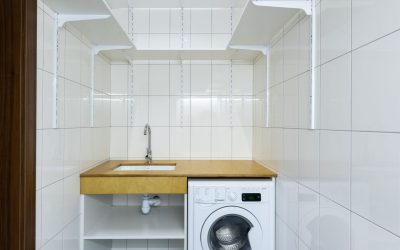
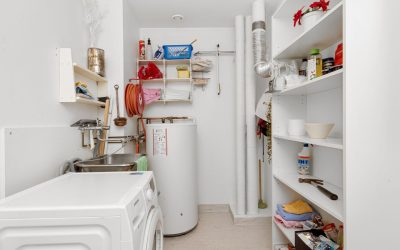
Heat and UV light are the two biggest threats to enzyme stability. A cabinet under the sink, a laundry room shelf, or a closet works well as long as the space doesn’t get excessively warm. Avoid garages in summer, car trunks, and any spot near a radiator, dryer vent, or window that gets direct afternoon sun.
3. Keep the Cap or Trigger Sealed Tightly
Every time a bottle is left open or the trigger isn’t fully closed, air gets in and can slowly oxidize the active ingredients while also allowing the liquid to evaporate and concentrate unevenly. After each use, wipe the nozzle clean of any residue and click the trigger to the locked or off position before putting the bottle away.
4. Store Upright, Not on Its Side
Storing spray bottles upright prevents the trigger mechanism from leaking and stops the product from pooling around the cap threads, where it can dry, crust, and eventually clog the sprayer. If you’re tight on shelf space, a small bin or tray keeps bottles standing without tipping.
5. Separate From Household Chemicals
Never store pet odor eliminators next to bleach, ammonia-based cleaners, or other harsh chemicals. Even a small, unnoticed leak can cause a reaction that produces hazardous fumes. Dedicate a separate shelf or bin specifically for pet-care cleaning products so there’s no risk of cross-contamination.
6. Keep It Out of Reach of Pets and Kids
Most pet odor eliminators are formulated to be pet-safe once dry, but concentrated liquid form isn’t meant to be ingested. Store bottles on a shelf above pet height, in a latched cabinet, or in a bin your dog or cat can’t nose open. This is especially important for households with food-motivated dogs that will chew through anything that smells interesting.
7. Rotate Older Bottles to the Front
If you keep backup bottles on hand, use a first-in, first-out approach – pull older stock forward so it gets used before newer bottles. This is the same principle used for pantry staples and keeps you from accidentally using a bottle that’s been sitting for a year or more past its most effective window.
8. Label Any Refilled or Decanted Bottles
If you transfer concentrate into a smaller spray bottle for convenience, label it clearly with the product name and the date it was mixed or diluted. Unlabeled bottles are a common source of mix-ups, and diluted formulas can also lose potency faster than the sealed original container.
Storage Tips for Different Product Types
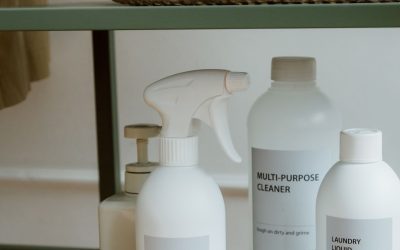
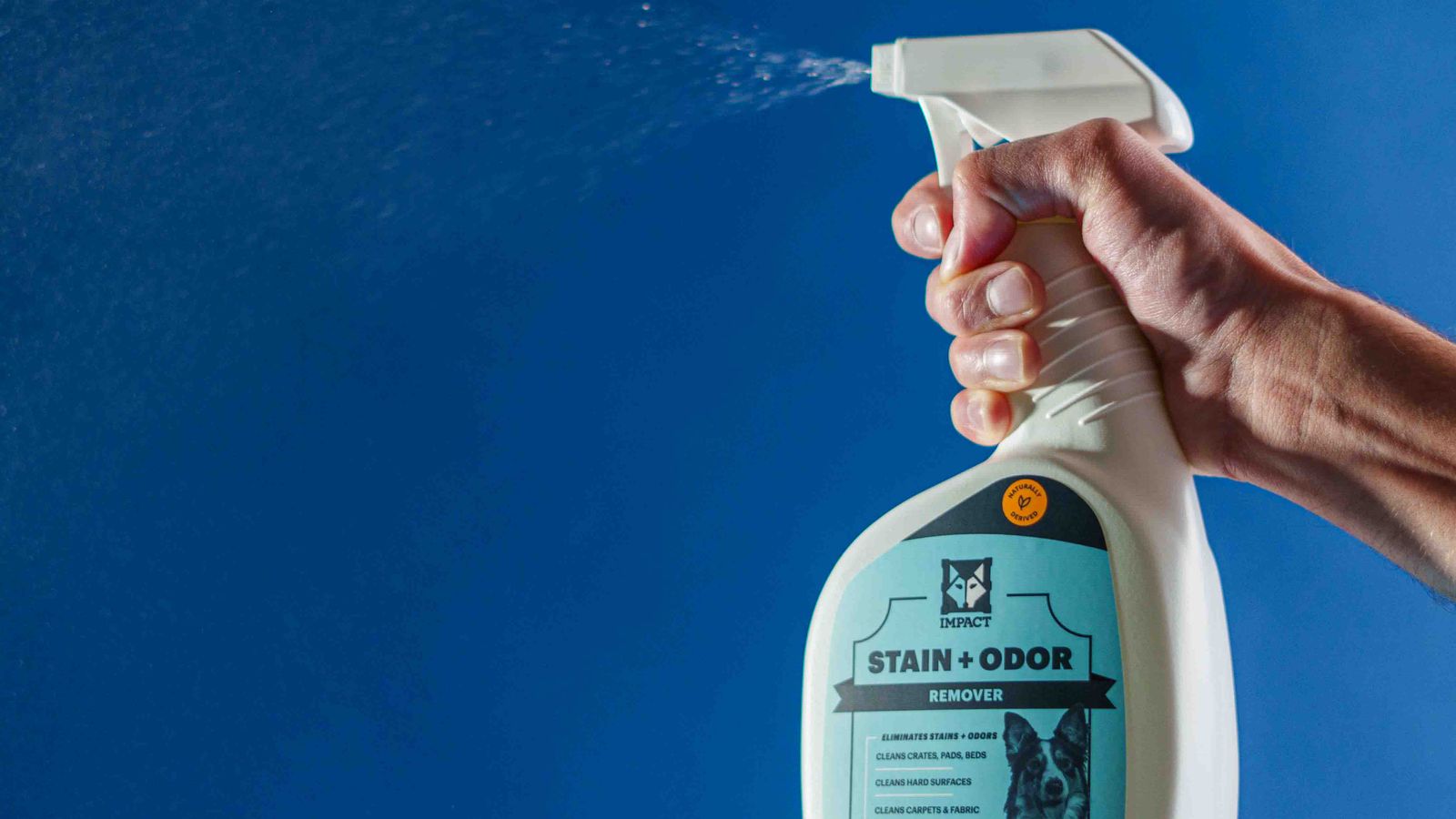
Spray Bottles
Store upright, cap tightly sealed, away from heat. If the sprayer becomes clogged after long storage, run warm water through the nozzle before reuse.
Enzyme Concentrates
These are the most temperature-sensitive. Keep them in a consistently cool spot – a pantry or interior closet is usually better than a garage or mudroom that swings in temperature with the seasons.
Powders and Granules
Odor-absorbing powders should be kept in a sealed, airtight container to prevent moisture from clumping the product. A damp powder loses its ability to absorb odor effectively.
Gel and Wick-Style Deodorizers
Keep unopened gel containers sealed until use, since exposure to air starts the evaporation process immediately. Store extras in their original packaging in a cool cabinet.
Where to Store Pet Odor Eliminators in Your Home
A few practical spots tend to work best for most households:
- Under the kitchen or bathroom sink – cool, dark, and close to where accidents often get cleaned up
- A laundry room cabinet – keeps cleaning supplies together, though avoid shelves right above the dryer
- A hallway or utility closet – stable temperature and away from direct light
- A dedicated pet-supply bin or caddy – portable and easy to grab when you need to react fast to a fresh stain
If your closet storage tends to get cluttered fast, using closet vacuum bags for seasonal linens and towels can free up shelf space so your cleaning supplies have a dedicated, organized spot instead of getting crammed in wherever there’s room.
Common Storage Mistakes to Avoid
- Leaving bottles in a hot car or garage – even a single hot afternoon can degrade enzyme activity.
- Storing near direct sunlight – UV exposure breaks down active ingredients and can fade labeling, making it hard to track expiration dates.
- Freezing enzyme-based formulas – freezing temperatures can permanently deactivate the bacterial cultures that break down odor molecules.
- Loose or cracked caps – allows evaporation and increases the risk of spills onto flooring or other stored items.
- Storing on the floor – increases the chance of a pet knocking the bottle over or a leak going unnoticed until it damages flooring underneath.
- Mixing old and new stock without rotation – leads to forgetting older bottles entirely, meaning they may expire unused.
Safety Notes
Even pet-safe formulas warrant a few precautions. Keep the manufacturer’s contact information or the product label handy in case of accidental ingestion, and always follow the ventilation guidance on the label when applying the product indoors. If you notice a change in color, a strong sour smell, or separation in the liquid, the formula has likely broken down and should be replaced rather than used, since it may no longer neutralize odor effectively – or could irritate skin and paws.
If an accidental spill happens on hard flooring, clean it promptly. For surfaces like laminate that can be sensitive to standing liquid, pairing your pet-care routine with the right laminate floor cleaners helps you address both the odor and the surface without risking water damage to the planks.

How Long Does Pet Odor Eliminator Last in Storage?
Most sealed, unopened pet odor eliminators remain effective for about 2 to 3 years when stored properly in a cool, dark location. Once opened, effectiveness typically holds for around 12 to 18 months, though this varies by brand and formula. Check the label for a manufacturing date or expiration date, and when in doubt, do a quick sniff and consistency check – if the product smells off or looks separated or cloudy compared to when it was new, it’s time to replace it.
Building a Reliable Pet Cleanup Station
Rather than scattering supplies around the house, consider setting up one consistent spot – a small caddy or a designated cabinet shelf – that holds your odor eliminator, a roll of paper towels, and any spot-cleaning tools you use regularly. This keeps everything in one stable, temperature-controlled location and means you’re never digging through multiple rooms mid-cleanup. If you’re still deciding which formula to keep stocked, comparing a few well-reviewed pet odor eliminators can help you settle on one or two go-to products worth keeping on hand at all times.
Frequently Asked Questions
Can I store pet odor eliminator in the garage?
It’s not ideal. Garages often experience temperature swings that can exceed the manufacturer’s recommended range, especially in summer heat or winter freezes, both of which can degrade the active ingredients.
Does pet odor eliminator expire?
Yes. While it may not become unsafe to use, enzyme and bacterial-based formulas lose their odor-neutralizing power over time, particularly if stored improperly. Chemical-based deodorizing sprays tend to have a longer effective shelf life than enzyme cleaners.
Is it safe to store pet odor eliminator near pet food?
It’s best to keep them separate. Even sealed containers can develop small leaks over time, and you don’t want any risk of cross-contamination near food storage areas.
Should I refrigerate pet odor eliminator to make it last longer?
No – refrigeration isn’t necessary and can sometimes cause the formula to thicken or separate. A cool room-temperature cabinet is the better choice for most products.
How do I know if my pet odor eliminator has gone bad?
Look for changes in color, a sour or off smell different from its original scent, cloudiness, or separation in the liquid. Any of these signs mean it’s time to replace the bottle rather than rely on it for a fresh accident.
Final Thoughts
Storing your pet odor eliminator correctly is a small habit that pays off every time you actually need the product to work. A cool, dark, upright spot away from other chemicals and out of reach of curious pets keeps the formula active and ready, while simple habits like sealing caps tightly and rotating stock prevent waste and guesswork. Pair smart storage with the right products for your specific flooring and cleanup routine, and you’ll always be prepared the next time an accident happens.