
A laundry room works best when its tools feel like a set instead of a random pile of mismatched gear. Two of the most-used items in that room – your ironing board cover and your mesh laundry bags – are also the easiest to coordinate, since both come in a wide range of colors, patterns, and fabric weights. Matching them isn’t just about looks: a thoughtfully paired toolkit is easier to keep track of, easier to store, and genuinely more pleasant to use every laundry day. This guide walks through a simple, practical process for choosing an ironing board cover and mesh laundry bags that work together visually and functionally, so your laundry corner feels intentional rather than accidental.
Why a Cohesive Laundry Toolkit Matters
Laundry supplies tend to multiply quietly: a cover here, a mesh bag there, a stray lint roller in a drawer. Over time this creates visual clutter, and clutter makes it harder to find what you need quickly. When your ironing board cover and mesh laundry bags share a color story or a complementary pattern, a few practical benefits follow:
- Faster identification. Coordinated colors help you and your household instantly recognize which bag belongs to which category (delicates, lights, darks) without reading labels.
- Tidier storage. A matched set looks intentional on a shelf, a hook, or inside a laundry closet, rather than like leftover odds and ends.
- Longer-lasting motivation to maintain the system. People are more likely to keep using and washing a system they find visually pleasing.
- Easier to expand later. Once you settle on a palette or theme, adding a second bag or a replacement cover down the line is simple – you already know what to look for.
Step 1: Decide on a Color and Pattern Strategy
Before shopping, choose one of three simple strategies. This single decision will guide every purchase you make for this toolkit.
Option A: Match by Solid Color
Pick one or two solid colors (for example, navy and white, or sage green and cream) and look for both the ironing board cover and the mesh laundry bags in those tones. Solid colors are the easiest to coordinate and tend to look calm and organized, especially in small laundry closets.
Option B: Match by Pattern Family
If you prefer visual interest, choose a pattern family – stripes, gingham, florals, or geometric prints – and select an ironing board cover and mesh bags that share the same pattern style even if the exact print differs. This creates a “coordinated, not identical” look that feels curated rather than matchy.
Option C: Match by Function-Based Color Coding
Assign a color to each laundry category (white bag for whites, gray for darks, pink for delicates) and choose an ironing board cover in a neutral tone that ties them all together without competing for attention. This strategy is especially useful for larger households where several people share the laundry space.
Step 2: Choose the Ironing Board Cover First
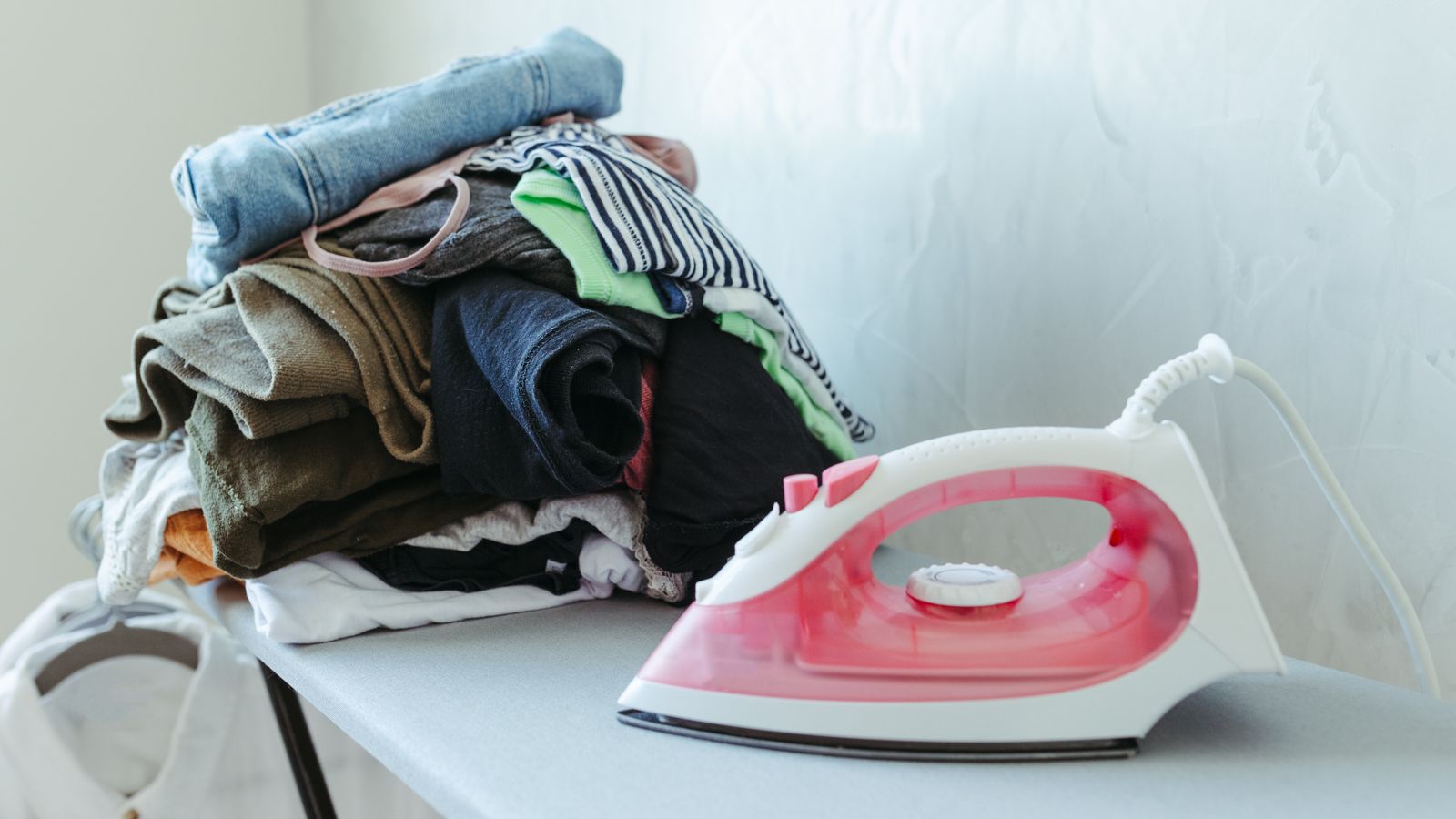
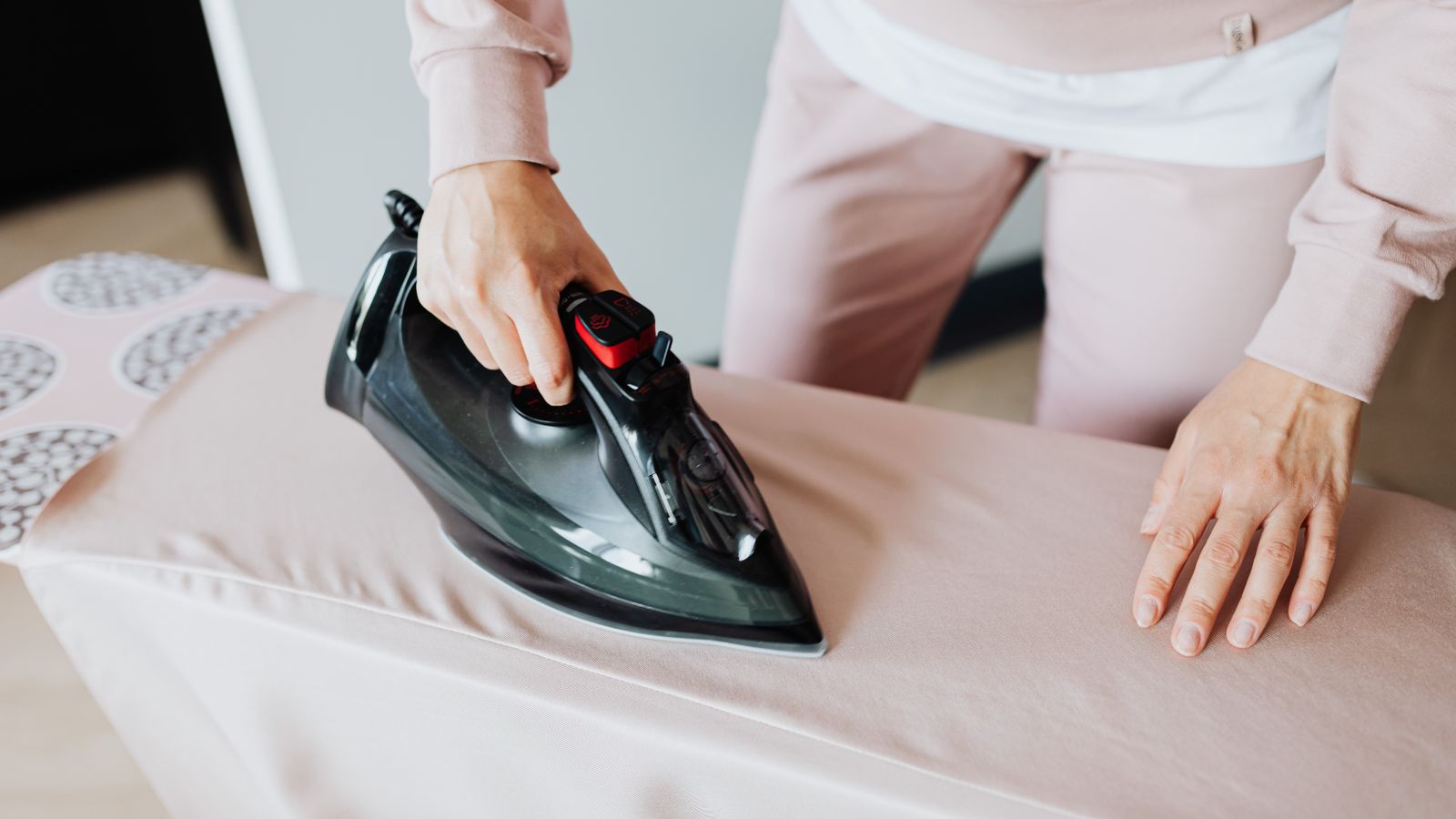
The ironing board cover is usually the largest fabric surface in your laundry setup, so it’s easiest to build the rest of the toolkit around it rather than the other way around.
- Check the fit. Measure your ironing board’s length and width, and confirm the cover you’re considering is sized correctly – most covers are sold in standard or elasticized-edge fits that accommodate slight variations.
- Prioritize heat-reflective backing. A cover with a silicone-coated or foil-style backing reflects heat back through fabric, which speeds up ironing and reduces the number of passes needed.
- Pick a color/pattern from your chosen strategy. Whether you went with a solid, a pattern family, or a neutral, select the cover in that tone now, since it will anchor everything else.
- Consider padding thickness. A slightly thicker pad underneath the cover improves ironing results and also tends to make patterns and colors look richer and less stretched.
For a broader look at the styles, sizes, and features available, browse the Ironing Board Covers roundup before settling on your final pick.
Step 3: Choose Mesh Laundry Bags That Complement the Cover
Once the ironing board cover is chosen, use it as your reference point when picking mesh laundry bags.
- Match the trim or accent color first. If the bag itself is mesh (often naturally sheer or white), look at the zipper pull, drawstring, or binding trim – these small details are usually easy to coordinate with your cover’s dominant color.
- Choose mesh density based on use. Fine mesh works well for delicates and lingerie, while coarser, more open mesh is better for bras, sweaters, or bulkier items that need more water flow during the wash cycle.
- Pick multiple sizes. A small bag for delicates, a medium bag for mixed garments, and a larger bag for bulky items like pillow shams gives you flexibility while keeping the same color or pattern family throughout.
- Look for reinforced seams and sturdy zippers. A coordinated bag that falls apart after a few wash cycles defeats the purpose – durability matters as much as appearance.
To compare mesh weights, sizes, and closures side by side, see the mesh laundry bags guide, which covers options suited to different fabric types and household sizes.
Step 4: Arrange and Store the Set Together
A cohesive toolkit only stays cohesive if it’s stored together. A few simple habits help:
- Use one hook or bin per category. Hang the ironing board cover (on the board, folded, or on a wall hook when not in use) near the spot where you keep your mesh bags, so the whole set is visible at a glance.
- Fold, don’t crumple. A neatly folded ironing board cover and stacked mesh bags look far more coordinated than a jumbled pile, even if the colors match perfectly.
- Label bags if colors are similar. If two bags are close in shade, a small fabric tag or embroidered label prevents mix-ups without breaking the color scheme.
- Keep a lint brush nearby. A quick pass with a lint brush before ironing keeps both the cover and your garments looking their best; see the best dryer lint brushes for options that store easily alongside the rest of your kit.
Common Mistakes to Avoid
- Buying the bag first, then struggling to match the cover. Ironing board covers have far fewer color options than mesh bags in most stores, so it’s more efficient to anchor your choice there first.
- Matching color but ignoring fabric weight. A heavy, quilted cover paired with very thin, flimsy mesh bags can look mismatched even if the colors align – texture matters as much as hue.
- Over-committing to a trendy print. A bold seasonal pattern might look great now but limit your options when you need a replacement cover or bag later. A versatile neutral with one accent color tends to age better.
- Forgetting to check washing instructions. Both mesh bags and ironing board covers should be machine-washable; always confirm the care label before adding either to your regular laundry rotation.
- Skipping the fit check. A cover that’s the wrong size for your board will bunch and slip no matter how well it matches your bags, undermining both function and appearance.
Maintaining a Matched Look Over Time
Fabric fades with repeated washing and ironing, so a set that matched perfectly on day one can drift apart in color over months of use. To keep things looking cohesive:
- Wash the ironing board cover and mesh bags in similar water temperatures to keep fading rates consistent.
- Avoid high heat drying for printed or dyed mesh bags, since heat accelerates color loss.
- Replace the ironing board cover every one to two years of regular use – a fresh cover also irons more efficiently than a worn, thinned one.
- When one piece needs replacing, use the original as a color reference in natural light before ordering a replacement, since screen colors can look slightly different in person.
Frequently Asked Questions
Do the ironing board cover and mesh laundry bags need to be an exact color match?
No. An exact match can look flat or artificial. Coordinating tones – same color family, complementary shades, or a shared pattern style – usually looks more polished than an identical match.
What’s the easiest color scheme for beginners?
A neutral base (white, gray, or cream) with one accent color used across the bag trims and the cover’s border or print is the simplest scheme to pull off and the easiest to maintain as pieces wear out and get replaced.
How many mesh laundry bags should a coordinated toolkit include?
Most households do well with three to four bags in different sizes and mesh densities, covering delicates, mixed garments, bulky items, and one spare for travel or guest use.
Can I mix patterns between the cover and the bags?
Yes, as long as they share a common thread – the same color palette, a similar print scale, or a consistent style (modern, farmhouse, classic). Completely unrelated patterns tend to clash even if individual pieces are attractive on their own.
Where should I start if I already own mismatched pieces?
Start with whichever piece is closest to needing replacement. Use it as the opportunity to introduce your new color or pattern strategy, then replace the remaining pieces gradually as they wear out, rather than discarding everything at once.
Final Thoughts
Coordinating an ironing board cover with mesh laundry bags is a small investment of planning that pays off every time you do laundry. By choosing a simple color or pattern strategy, anchoring your choices around the ironing board cover first, and storing the pieces together, you’ll end up with a laundry toolkit that’s not only easier to use but genuinely satisfying to look at. Whether you lean toward soft neutrals, playful patterns, or a practical color-coded system, the result is the same: a laundry space that feels organized, deliberate, and ready for whatever the next load brings.